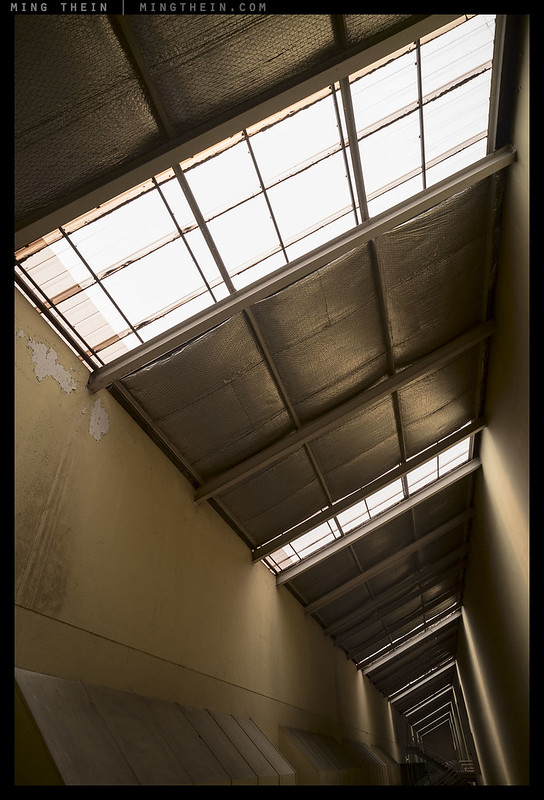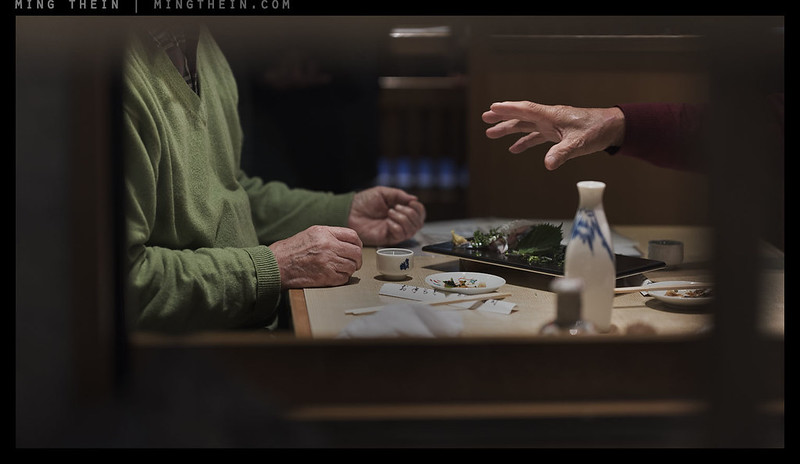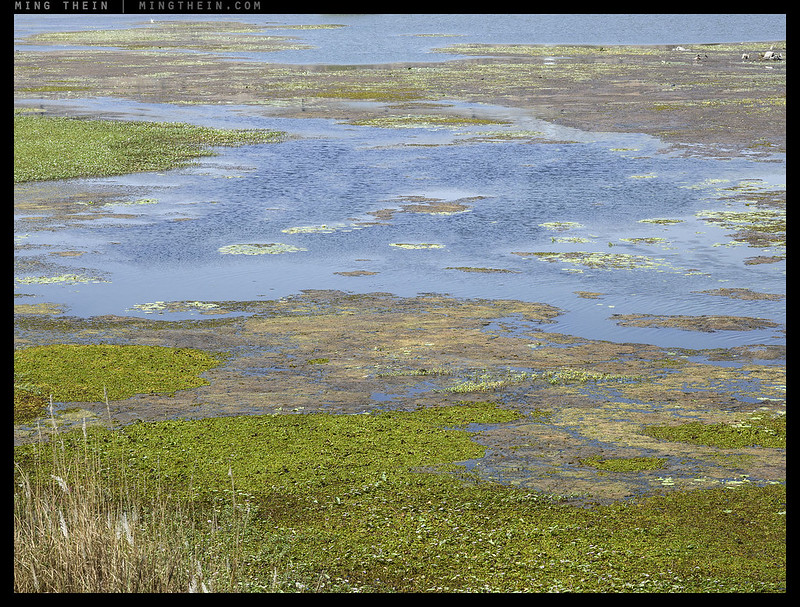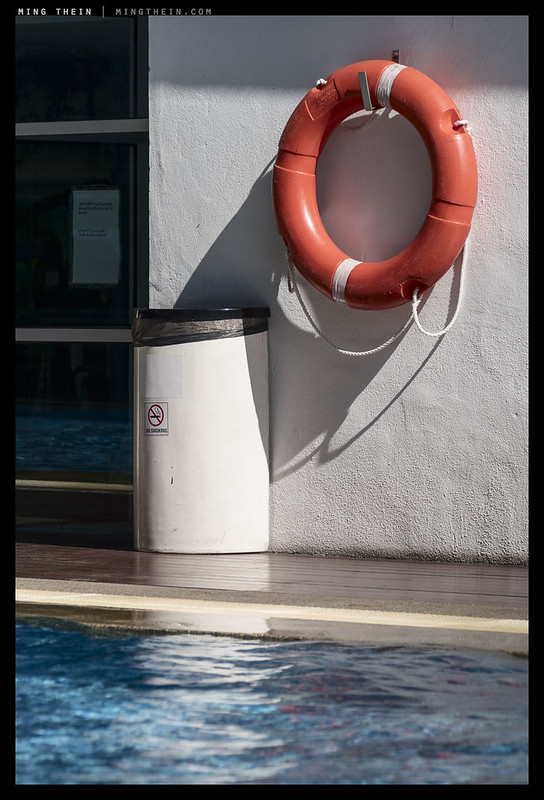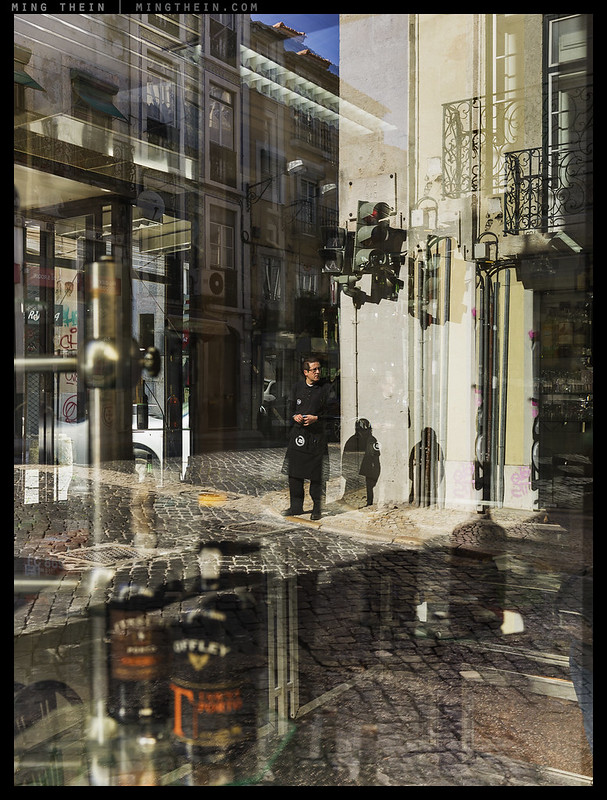
During one of the many discussions on composition that took place during the Lisbon Masterclass a few months ago, one of the participants suggested that my compositions were reminiscent of something called Wimmelbild in German. Loosely translated, it’s the concept of ‘teeming pictures’ – or a composition that is extremely full of detail and sub-scenes within the main composition. Two of the better-known examples of wimmelbild are the paintings of Hieronymus Bosch and childrens books by authors such as Richard Scarry, Ali Mitgutsch, Rotraut Susanne Berner, and Eva Scherbarth – and of course the ‘Where’s Wally’ series by illustrator Martin Handford. If there’s a single gestalt that best describes the nature of most of my compositions – wimmelbild would be it. So it’s probably worth spending a little time explaining exactly what it is…
Photoessay: Architectural leftovers, part II
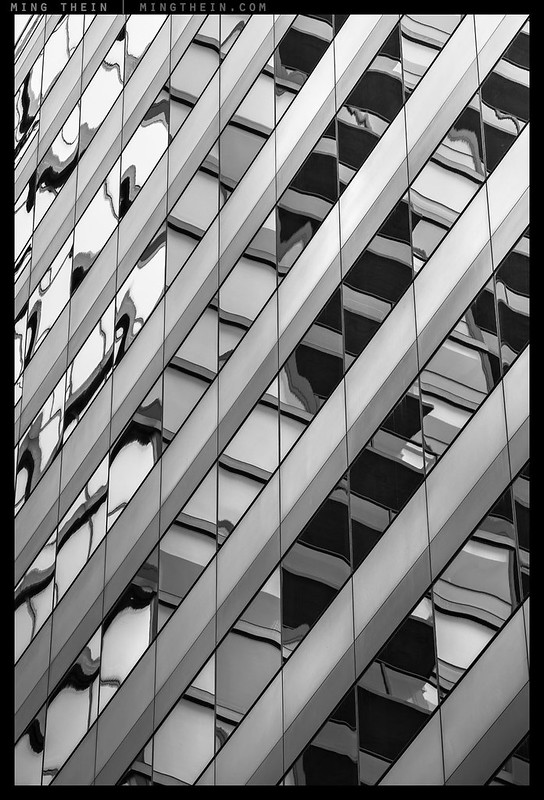
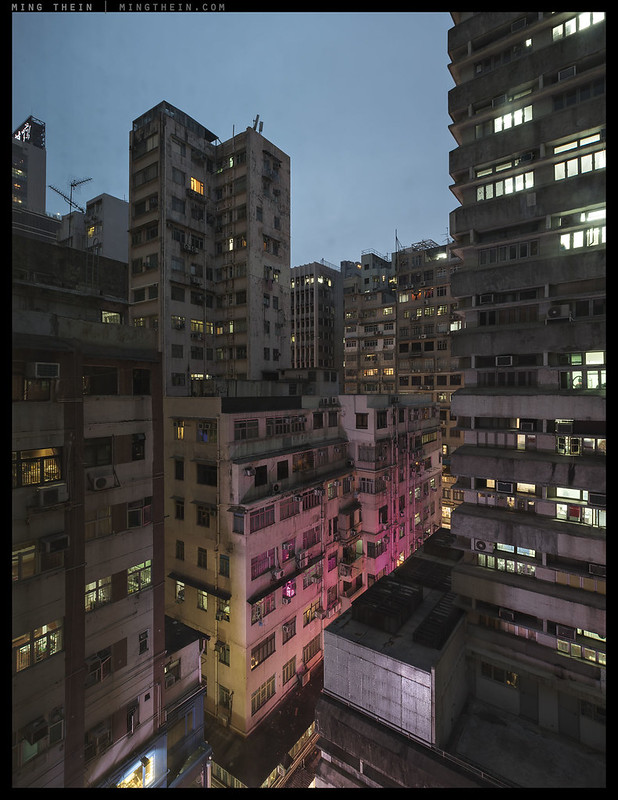
Somebody, somewhere, had to put in the work into designing these places. Somebody had to build them. Somebody paid for, used, and in most cases, still use them. Some are decayed and awaiting decommissioning or demolishing. But the impression I get is that not all were loved even in their prime, and are certainly not loved now. Here is a tribute to the architectural leftovers of Kuala Lumpur (and one or two from other parts of Asia): and in case you haven’t noticed, we seem to have quite a lot of them. This is the start of a of a new project: photograph old, decaying, ugly buildings as fresh ones. Even though some of these structures are new or even under construction, they still have the feel of decay – which I find quite remarkable. How much is presentation, how much is bias, and how much is simply expectation? MT
Shot with a wide assortment of equipment over a period of time, mostly processed with Photoshop Workflow II.
Photoessay-WIP: Architectural leftovers, part I
Today’s series of images is going to be a bit looser in curation than previously; it is the beginning of an idea which I intend to explore further in the future. We tend to photograph very new, very old, and generally well-kept buildings in a sort of formalist style which everybody thinks of as ‘architectural’; it is not too different to the artist’s perspective-controlled rendering. We aim for the vantage points as the architect imagines them, even if they are almost impossible due to access and sight lines being blocked by existing structures. We focus on that which is aesthetically beautiful, unusual, functional, or generally an ‘ideal’ of the type. What we don’t do is acknowledge the ugly, the incomplete and that which is in generally poor repair. It isn’t the same as a picturesque ruin; I suppose it’s the brutally functional edifices that are built to a budget. The kind of thing you pass every day and don’t linger by because it’s somehow unpleasant. The leftovers. What results if we treat them with respect? It isn’t going to be pretty, but it could be dignified. MT
This series is ongoing and was/ will be shot with pretty much everything under the sun.
Photoessay: last of the Nilgiris landscapes
Last of the Indian landscapes shot in the Nilgiris mountains around Ooty and Coonoor for today. They are standalones and I think actually work as a single set to demonstrate the diversity of the region – everything from untouched virgin forest to a hybrid cultvation of tea bushes to a little entropy and human evidence in the margins. Enjoy! MT
Except for one image, this series was shot with a Hasselblad 501CM, CFV-50C and mostly the CF 4/150.
Some (possibly unexpected) advice for aspiring pros

Sink or swim: except in the real world, there’s almost never a life preserver.
There are any number of articles on this topic already existing: how to ‘make it’, how to be successful, how to market, how to run a business. There are courses, books and videos. And there are people, who make a business out of teaching others how to run a business. And then there are people who actually make a living doing what you want do: being paid to create and deliver images. For some odd reason, I’ve been getting a lot of emails in the last few weeks from people wondering how to make photography work as a career: corporate switchers, graduates, pre-graduates, people who were doing something else creative but want a change of medium. I have no qualifications to answer these questions or offer absolute advice other than a) I make more than 80% of my income from selling images, mostly commissioned, and b) I’ve been doing this for a few years now. Market conditions in your country are probably going to be quite different to mine, and even if they aren’t, things have no doubt changed from five years ago. So, with that disclosure out of the way, here we go.
Photoessay-gallery: the story of sushi
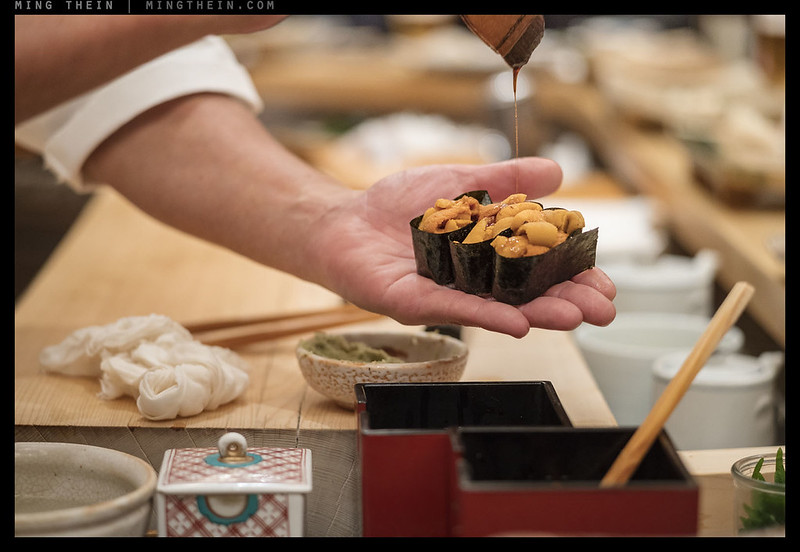
Regular readers will know that Tokyo is one of my favourite destinations both as a city and a photographic locale. Sushi is inseparable from Japan, and probably the only food I could eat every day without getting bored. I’ve visited Tokyo at least once a year for the last ten years; almost every time I shot at Tsukiji Market, the clearinghouse for a huge portion of the high grade seafood caught. It didn’t occur to me to try to curate these visits into a coherent documentary until before my last visit; at the same time, I found out that Tsukiji was going to close and be relocated to a new site in preparation for redevelopment for the 2020 Olympics. It would be the end of an era in more ways than one – and most of the proprietors I spoke to inside the market sadly agreed that things would never quite be the same again. Tsukiji is in so many ways an insular community unto itself, and a Tokyo institution. Today’s presentation is my tribute to that: a reasonably complete journey of fish to sushi, via Tsukiji.
Repost: the value of having a muse
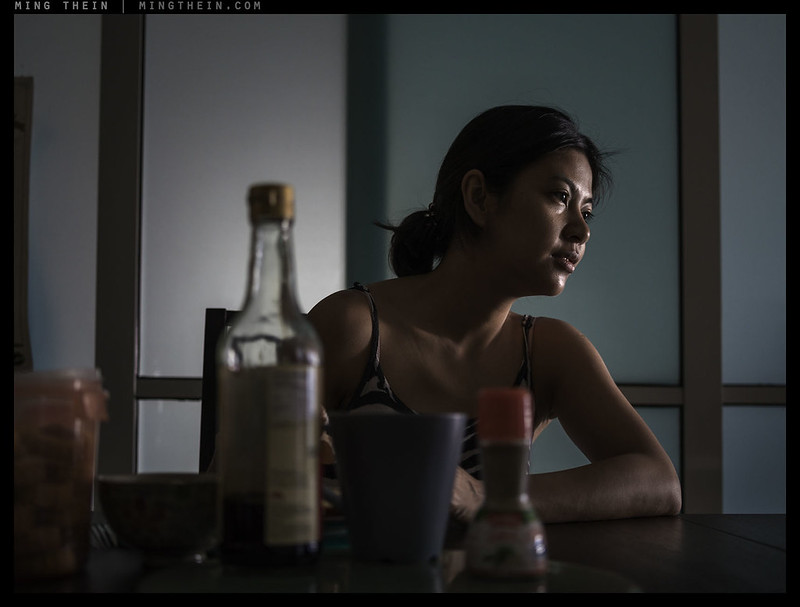
This has been another one of those tricky articles to write – mainly because a lot of self-reflection went into it, and as we all know, it’s very difficult to do that and remain objective. The essays is illustrated with images that are representative of experiments that worked – things I was inspired to try with various muses, and in turn learned something from.
What is a muse? In its purest form, a muse is perhaps best defined as something that triggers inspiration in an artistic or creative sense. It doesn’t have to be an inanimate object; most artists’ muses tend to be people; in fact, most artists tend to land up romantically involved with their muses. Creativity is impossible to separate from inspiration, and inspiration is a very close bedfellow of attachment – attachment to an idea. (I know this sounds like Inception, but bear with me here.*)
*On an unrelated note, that movie contains one of the most spectacular dining rooms I’ve ever seen – from a design and architectural point of view. And I suspect it would be pretty cool as both a photographic subject and backdrop, too.
On assignment photoessay: Chinese University of Hong Kong Library
One from the archives for today – I thought I’d posted this a long time ago, but turns out it sat in the ‘draft posts’ folder. Oops!
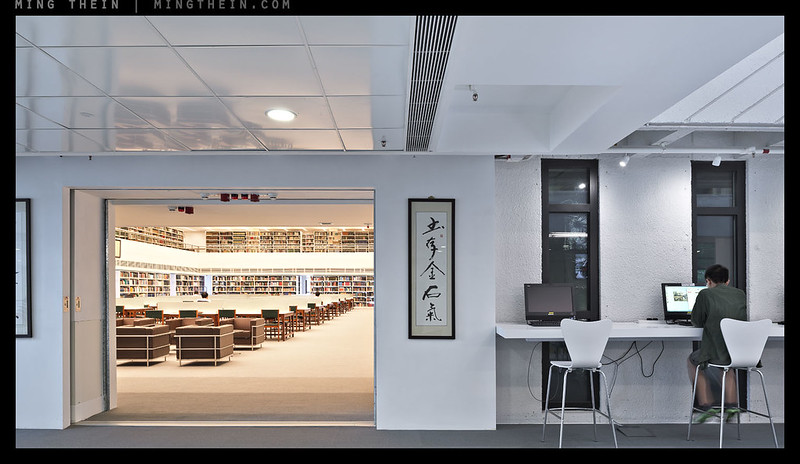
Inspiration begets inspiration. At least that’s my own theory of creativity. If you’re in photographically inspiring surroundings, it’s unquestionably easier to make an interesting image than otherwise – or at very least feel that you’ve got far more possibilities to hand. There are some assignments where one must fall back onto professionalism and the motto of the US postal service* to get the job done, but then we also have those where you couldn’t stop shooting even if it were forbidden. This assignment was most certainly the latter, and appropriate given the subject was the Chinese University of Hong Kong’s new library space – which in itself is presumably meant to be inspiring to its students.
*Come rain, come shine, dogs be damned etc.
Structure
I’ve put off writing this article for a very, very long time for the simple reason that there are visual things that I have to figure out how to explain which somewhat transcend the limits of the written language to describe. Even defining the meaning of ‘structure’ in a photographic sense is tricky: we understand it to be a system of support that is not necessarily seen but underpins what we see on the surface – both physical and metaphysical. It is the means by which order is created out of chaos. Photographically, I like to think of ‘the structure of an image’ as the flow or visual rhythm of elements. Controlling the structure of an image controls the order in which the elements are read, and in turn the idea or story implied by those elements. Without conscious management of structure, it is therefore very difficult to consistently create images with anything more than a very literal impact.