To filter or not to filter?

_5504364 copy

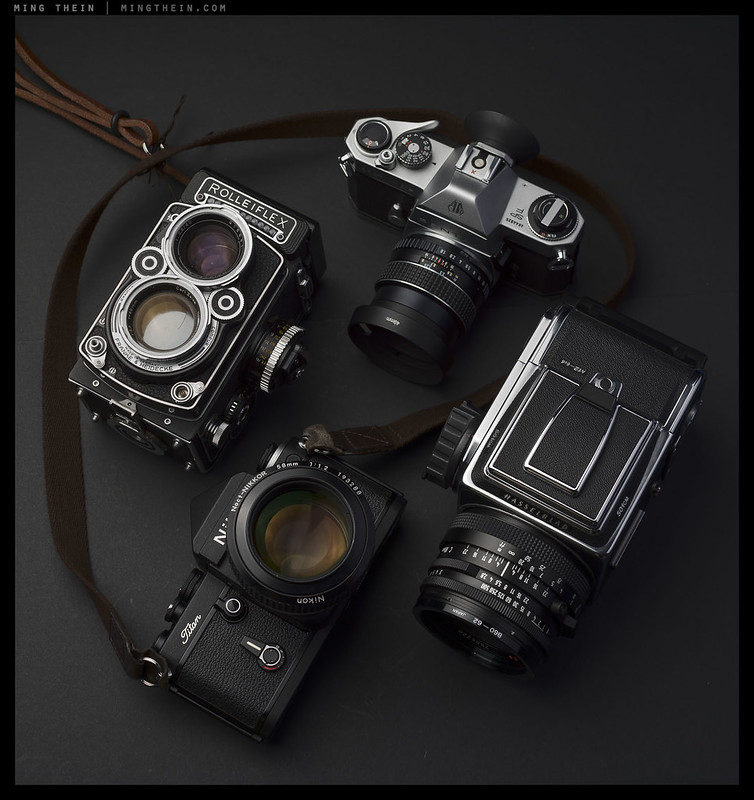
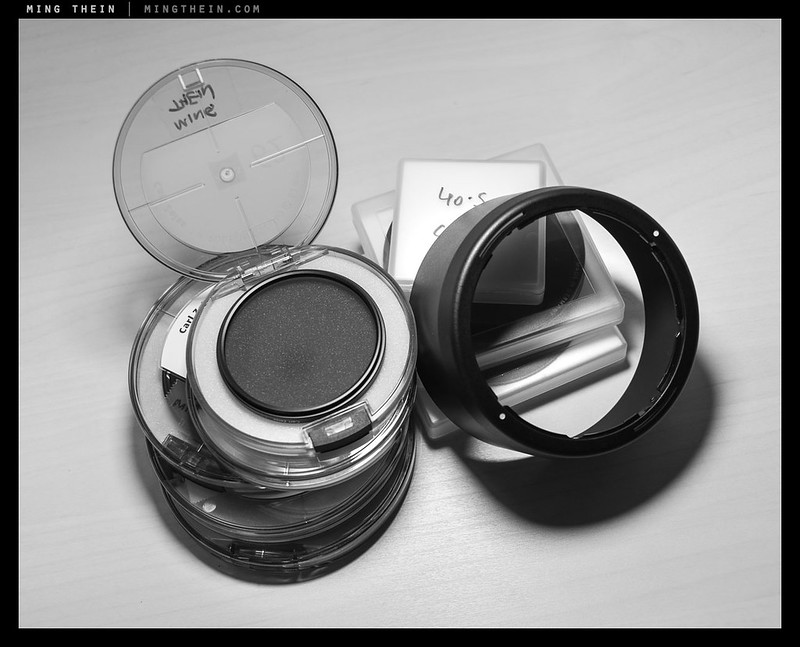
For some odd reason, one of the most frequently asked questions I encounter is which, if any, filters I use on my lenses. “Especially to protect the Otuses and other rare glass”, I’m asked. I would point such questions to an article here, except I found I didn’t have one – today’s post is to rectify that oversight. The answer might surprise you somewhat…
[Read more…]

Why photography satisfies

45_7R2_DSC4523 copy

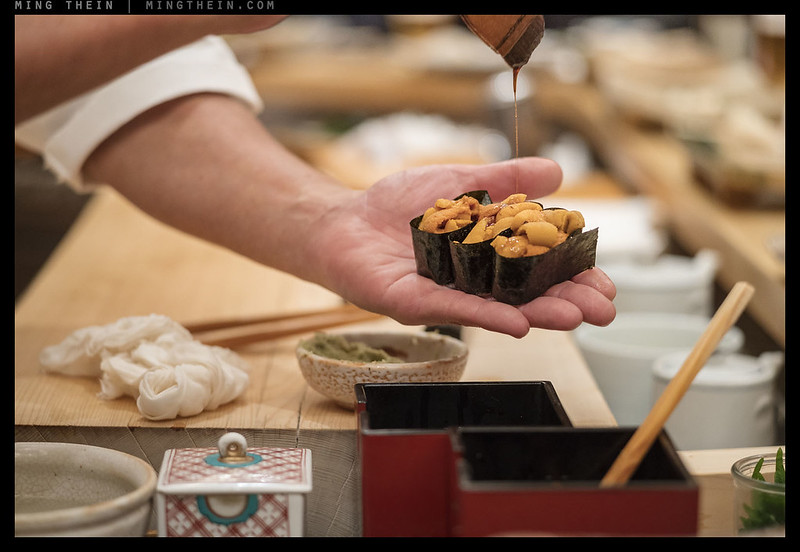
A photograph is like food: endless in variety, universally appealing or an extremely acquired taste; easily obtainable and available at a different level to suit every preference and budget. You can cook eat the same thing several days in a row and still enjoy it, or you can do something completely different every day. You can make it yourself or subcontract. There are no rules about what is ‘good’ or ‘bad’. Moreover, both photography and food are something relatively limitless for us humans: both in the creation, and the consumption. Just as we need nutrition on a daily basis, we need regular visual stimulation – and though you can manage just fine if you never cook yourself, at some point, curiosity is likely to motivate you to create. The more effort we put in, the more likely we are likely to be satisfied with the result: many techniques or dishes are deceptive in simplicity: the fewer elements present, the more perfect they have to be. I frequently think of analogs like minimalist photography being similar to sushi: there are just four ingredients (fish, rice, wasabi, soy sauce) – yet each one can affect the final outcome drastically. An uneducated diner might not be able to say why a particular piece of sushi (or photograph) works, a skilled one will be able to say why. But both will appreciate it. And just as with food, good ingredients and good equipment help, but at the end, it’s still down to the skill and imagination of the chef.

*Masterclass alumni will know I use the cooking analogy a lot: if a finished print is like a plated meal, then the planning and ingredient-gathering process and pre-prep is scouting and seeing; cooking is capture; plating is post processing.

[Read more…]

The eyes of a baby

_Q116_L1020754 copy
Insert gratuitous infant photo here.

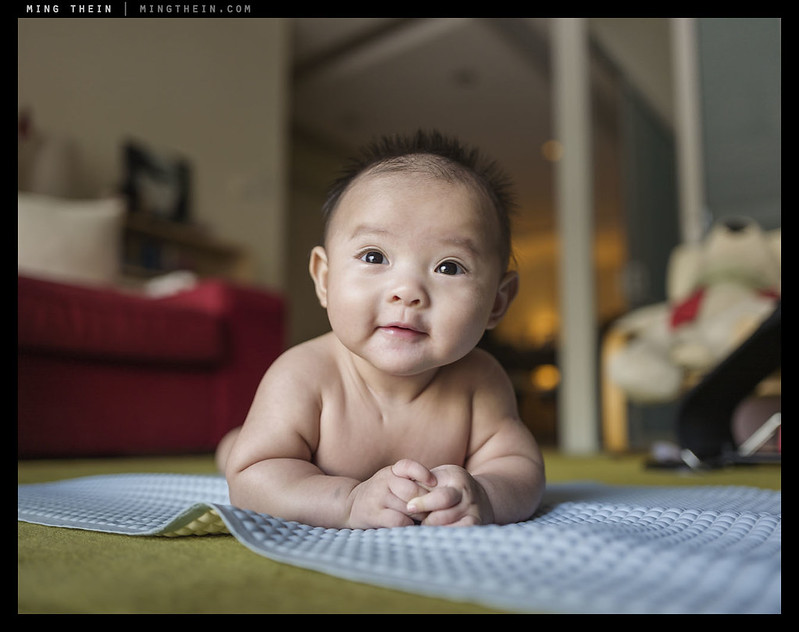
As many of you know, I have a 11-month old daughter. This is not going to be a scientific attempt at trying to replicate infant vision; far from it. Think of it more as a series of observations from the perspective of a photographer observing and observer. All in all: as anybody who’s had children will know, sometimes they have just as much to teach us (or remind us of) as we do them.

[Read more…]

Photographing babies

_Q116_L1020754 copy

Today’s article is both somewhat off topic and an indication of how things have changed for me in the last seven months. It certainly isn’t something I’d have done or even considered previously, but when your shooting hours are severely curtailed by parental responsibility, a photographer has little choice. I’m sure we’ll be updating this post with a ‘photographing toddlers’ amendment in a year or two, but for now, I’d like to share some of the useful things I’ve learned – I’m sure there are probably a considerable number of people in the audience who might find them useful. Feel free to wait for the next article or dig in the archives for today’s entertainment if it isn’t applicable to you. And I do promise not to turn into one of those people who does nothing but post photographs of their kids…

[Read more…]

A question of value, accessibility and medium format…

1557_D5_front_4D08997 copy
_8035995 copy_7R2_DSC3092 copy

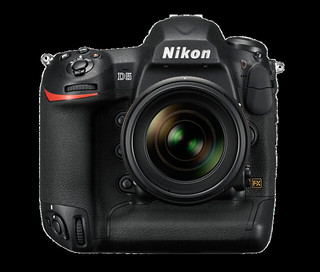
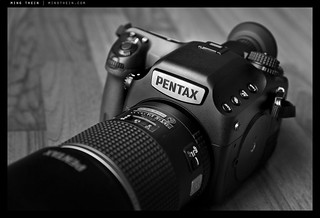
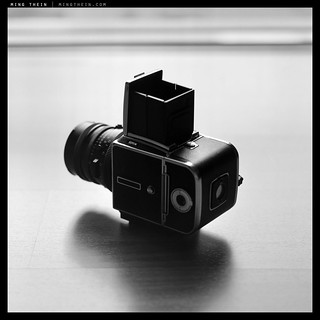
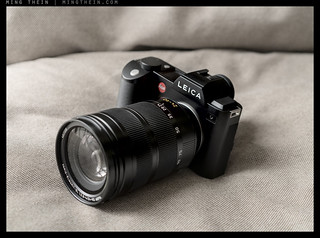
Let’s say you’re in the market for a new camera – which face it, most of us find ourselves in frequently, often for reasons of our own doing. It has to be something reasonably exciting, and having played this game and gone through this cycle many times, for argument’s sake, it’s probably going to be at the higher end of the spectrum. We have a lot of choices. What I’ve shown above represents the full spectrum of choices, from the best of conventional high performance DSLR, to the top end of mirrorless, to entry level medium format, to something a bit more unconventional. Figure on spending say ~$12k by the time you’re done – body, a lens or two, and the usual plethora of system-specific accessories.

[Read more…]

Photographing concerts

_1010268 copy

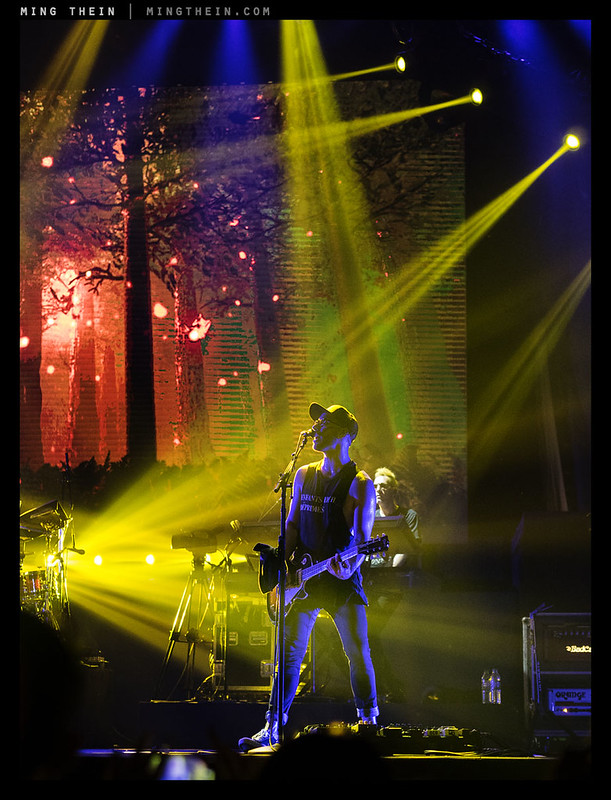
This is a slightly unusual topic for me: concert photography is something I’ve done quite a bit of, but never generally publicise because it falls out of my preferred commercial work. I started with being interested in the music first, in the mid 2000s; I shot a number of small venues locally, and these actually formed some of my earliest work – licensed to musicians and the like. Sadly, musicians are much like photographers: 99.99% of us are broke, but there are a small number of rockstars who make it into the big leagues. There are a few more who do okay and get by; we’re thankful we can sing for our supper and not drive a desk. That said, I have never (and will never) be on the other side of the microphone.

[Read more…]

Don’t settle

_8B12411-3 copy
Portrait of a building – time does not have to be an instant; perhaps the best side of a subject has to be a composite

I have previously written about various personal approaches to photography – manifestoes or beliefs or aspirations or aims if you will. I’ve written about why we photograph and the relationship between images, the artist and the audience. But I don’t think I’ve ever really written about the endgame.

[Read more…]

Back to basics: subject isolation

_64Z5755 copy
The man: color, texture, contrast, motion. We’re not really missing shallow DOF, are we?

Regular readers will know that I’ve distilled down four common traits of a strong image: quality of light, clarity of subject, balance of composition and ‘the idea’. The first is very simple: does the light present the subject in a flattering way or as you would desire? Is it directional (i.e. are there shadows) so that it’s possible to determine spatial layout of the scene? The last two require some practice, and the final one is really an never-ending quest for every photographer because there is no limit to the complexity of message that can be conveyed. Today, we will look at the easiest yet most commonly overlooked one of the four: subject isolation.

[Read more…]

Dealing with visual overload

_Q116_L1040394 copy

During a recent Masterclass with some of my students, we were faced with an situation quite typical of a working pro: several hours of nothing much going on, half an hour of madness, and a bit of a post-mortem afterwards. The main feeling I got from the group was best described as a sort of mild panic: after being lulled into a state of half-hearted inactivity by uninspiring light and a fairly pedestrian subject, we were suddenly handed great light, rapidly changing conditions and the same pedestrian subjects come alive. This is by no means a unique situation, and sometimes the situation is a one-off and professionally critical. So what’s the best way to maximise photographic returns?

[Read more…]

Being a photographer today

_8B14144-6 copy
Whoops, that was yesterday. But I don’t think any reader will mind the eye candy.

There is a point to the ‘wrong’ image: it ain’t like it used to be, and if that’s a cliche and somewhat ill-fitting statement given I haven’t been in this game that long, perhaps it’s also a sign of just how fast the market is changing. As I come to the end of my fourth year full time as a photographer and start planning for the fifth, I’ve got to ask myself what’s changed in the last few years and where that fits with my plans (or rather how I’ve got to adapt not to be left behind). What’s a bit frightening is that niches seem to be coming and going both extremely fast and in a way that is almost impossible to predict what works and what doesn’t; luck, as always, plays a massive role in the proceedings.

[Read more…]