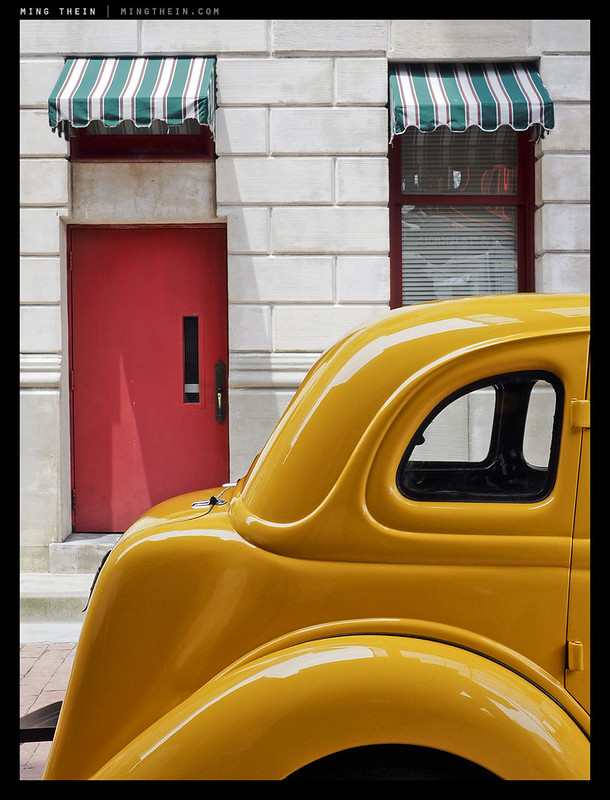
Timing is key, but patience is a virtue for every photographer. Very often, we see some rather stunning images of a place we’ve been to before – and wonder how on earth we managed to miss the shot; the reality is even for a static location, there’s at least one factor in play – light – and often more. But I find it often goes beyond that: we ourselves change, and this plays a part in how we perceive the world at any given moment in time. If we’ve only got the opportunity to be in a given location or shoot a certain object once – how can we ensure we at least get a shot we’re happy with, and better yet, something defining?
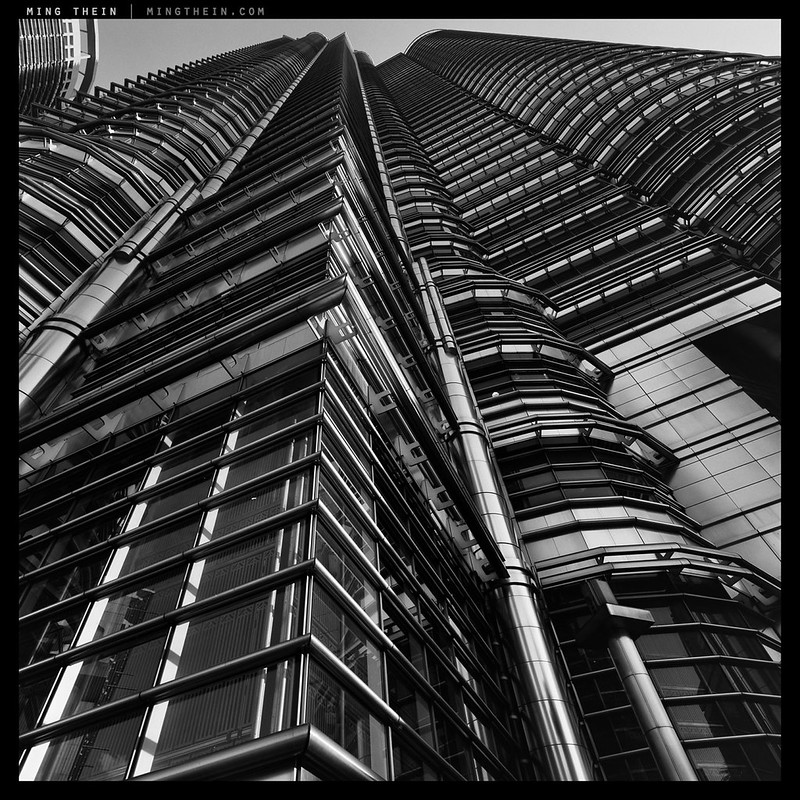
Managing the creative commercial populist disconnect
What a mouthful of a title. It should really also have the subtitle “what pays isn’t always what’s popular or what I want to shoot” – but that would have exceeded the string length for post titles, run off onto three lines on the title, and completely ruined the front page design aesthetic of the site.
But I think there’s really no simple or concise way to express it. What sells/ what clients pay for is not always what is popular with the viewing public; in fact, it’s usually completely uncorrelated since the commercial side of things seldom elicits an emotional response in the way personal photographs do. And on top of that, what photographers actually enjoy photographing is seldom what pays – sometimes also because the nature of the subject matter means that it has no commercial value in the first place. So, as a commercial photographer, what do we do?
Photoessay: Universal Studios Singapore
A continuation of the previous article on tourist location photographability.
Perhaps as a reflection of personal interest, I was certainly more drawn to the urban scenery element of the place rather than the rides or the fantasy areas; none of the people really fit the scene – i.e. looked ‘in place’, so I left them out (think 1940s New York or 1960s Hollywood being full of Asians in tank tops and shorts). The results are a slightly surreal and empty environment; I think it reflects my recent and increasing fascination with form and light over action. We all go through subject and stylistic shifts in our photographic journey as we explore new things; having shot a lot of street, cinematic and reportage work in recent years, perhaps it’s time for a change.
One day left to buy the Europe 2013 Limited prints…
Following on from the success of the first print run – thank you everybody for your support – I promised that it would be the first of many. So, without further ado, I’m pleased to announce sales for the next one open!
Once again: I will only print these images once, at this size. Ever. Once this run is complete, there will be no more prints. To sweeten the deal, one buyer is going to win an additional print of their choice, free of charge.
Interested? More info and ordering links here.
Artificial environments and ‘tourist’ photography
A couple of months ago, I spent some time in a theme park – not because I particularly wanted to go on any of the rides or because I felt like I needed a little escapism, but because I was teaching a workshop as part of the Maybank Photo Awards 2013, and Universal Studios Singapore was a sponsor. Being there made me realize a number of things.
OT: Thoughts on blogging in an increasingly crowded space

Content consumption and creation is a 24/7 business.
The internet is no longer the tool of knowledge sharing it originally started out being: it’s a commercial and marketing platform, pure and simple. Money goes to he who shouts the loudest, whether they might have anything worth listening to or not. Like everything, there’s good and bad to this. The good is easy: it’s made doing business ever easier than before (even if Paypal takes a huge cut as financial gatekeeper); especially for small businesses and individual proprietors who’d otherwise never have had access to those customers or audiences. Information is easily available; almost everything is there if you look hard enough. And on top of that, there are new and exciting streams of income that simply didn’t exist 15 years ago – sponsorship, paid blogging, pay-per-click, email harvesting…but is any of it really sustainable?
A couple of slots available for the Email School
Following the graduation of a couple more students, I’m pleased to open up a couple more places for my Email School of Photography. Read on for details.
Why photography satisfies

Photography is like food: the variety is endless, and it can satisfy on many levels. But how many of us can make world-class, award-winning food in seconds with minimal equipment?
My earlier article on why we photograph led me to spend a little more time thinking specifically about what it is about the photographic process that is enjoyable. It seems that it’s engaging on many levels – firstly, there’s the anticipation of buying new equipment, and continually pursuing gear – I suppose you could call that the ‘collectors’ itch’. As much as I see cameras as tools, I admit there’s a certain satisfaction in finding, acquiring and owning/ using something rare; the F2 Titan, for example. Like every other accessory or object we choose to use – it signals something about the tastes of the owner. (There’s also the ego-stroking fact that it promotes jealousy amongst other photographers, but I’m going to ignore that and say it really is all about the image.
My love-hate relationship with gear

The guilt (and equipment) stacks up like tetris: this is only one of my equipment cabinets; if I don’t put everything in just so, then it won’t fit. And lighting gear, accessories, tripods, bags etc. are stored elsewhere.
Any photographer who tells you that they are a hundred percent, completely indifferent to equipment is lying. It is almost (I say almost to cover myself in the unlikely event there really is somebody out there) impossible to be immune to the lull of new cameras, lenses or accessories; we’ve all felt the pull at one time or another, no matter how weak or irrational. Actually, it’s the irrational that I’m going to talk about today – purchases that are necessary from a professional standpoint (e.g. you have to buy lights if you’re going to be a studio product photographer) don’t really require justification; at least insofar as there are degrees.
Retro for the sake of retro: thoughts on the Nikon Df

Sigh. I swore I’d never do this again after the Sony A7/A7r piece, but I’ve been getting so much email over the last few days that I have no choice. Firstly, I have no special relationship with Nikon beyond standard NPS membership. Their management here in Malaysia chooses to remain aloof. If I’m going to review one of these properly, it’s because I’ve bought it – and again, I think that’s extremely unlikely given the cost and lack of fit with my professional needs. But, here we go anyway: a highly subjective analysis of a camera that hasn’t been released yet based solely on a spec sheet and some conclusions we form from Nikon’s existing parts inventory. So, here we go: the 2013 Nikon Df.