Today I’m pleased to announce the latest episode in the How To See series of workshop videos: Ep.4, Melbourne, Australia. We actually filmed this back in April, but due to a large backlog of other work, didn’t have a chance to finish final grading and editing until recently…
Opinion-review: the Panasonic LX100/ Leica D-Lux 109
November 12, 2014 by
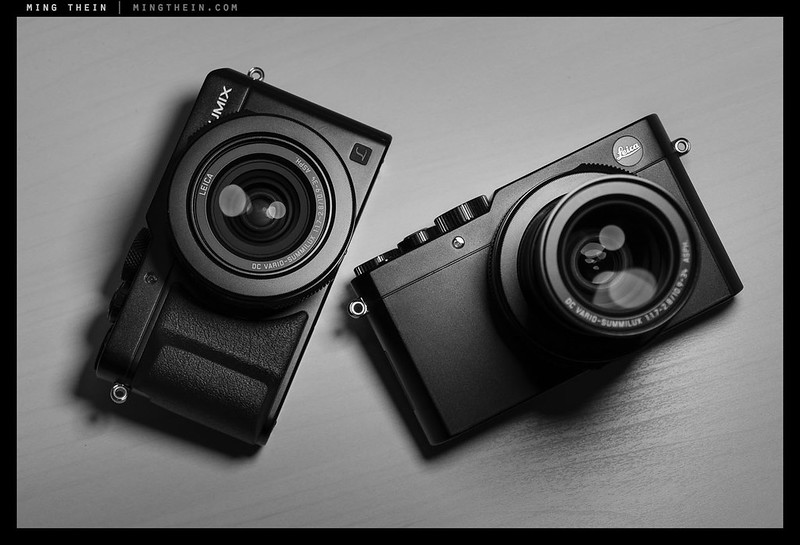
Sony has the RX100 series. Canon has their G Powershots. Nikon…never mind. But Panasonic has the LX series, and the accompanying Leica D Lux redesign; I reviewed its predecessor, the LX7/ D Lux 6 some time back, and owned an LX3 back when it was pretty much the only choice for a serious compact – variable aspect ratios and all. In the intervening years since the last generation, sensors have grown – even in compacts – and the bar has been raised. I’ve spent a few days with the LX100/D Lux 109 twins and have some rather polarising thoughts…
FD Photoessay: snippets of daily life
November 10, 2014 by
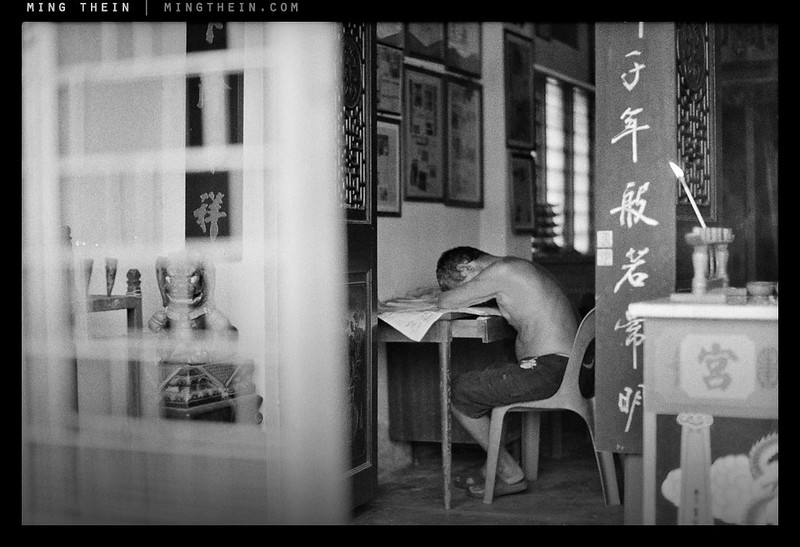
Asleep on the job
Some images today from a few older rolls of film I found and recently processed; they don’t really have a theme other than some light documentary of my life; I don’t pretend they are significant to anybody – not even me – I suppose it’s more like a visual stream of consciousness than anything. And they just happened to have been shot on film – Acros 100 in an F2 Titan and the 58/1.2 Noct-Nikkor, to be precise.
In pursuit of clarity, redux
November 8, 2014 by
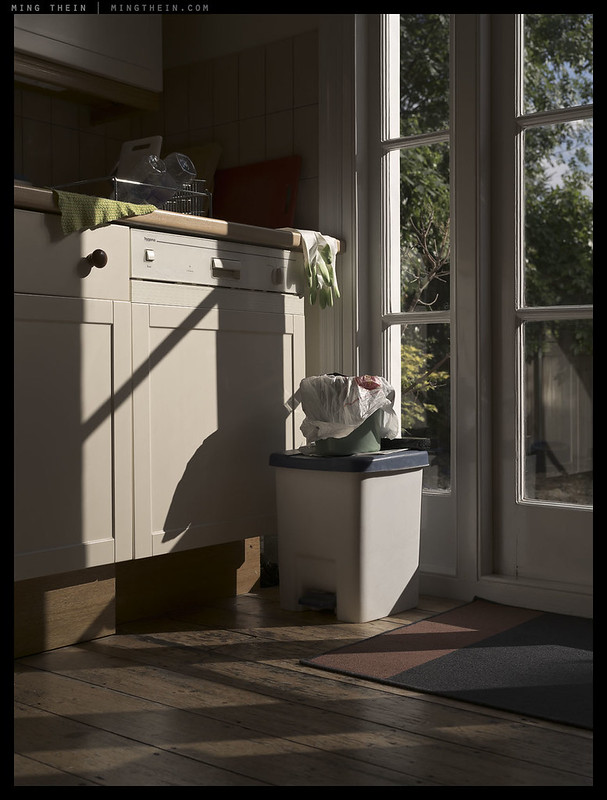
Do you feel the warmth of the afternoon?
Some months ago, I wrote about the idea of clarity in an image: the experience of being able to see through the picture and beyond the facsimile representation to the scene or subject in itself; it’s akin to breaking the fourth wall in cinema, but In the opposite direction. Ironically, the ability for a still photograph to do this is very much related to technology: we need the hardware and technical chops to be able to make it look as though the hardware is unimportant.
Photoessay: Singapore color
November 6, 2014 by
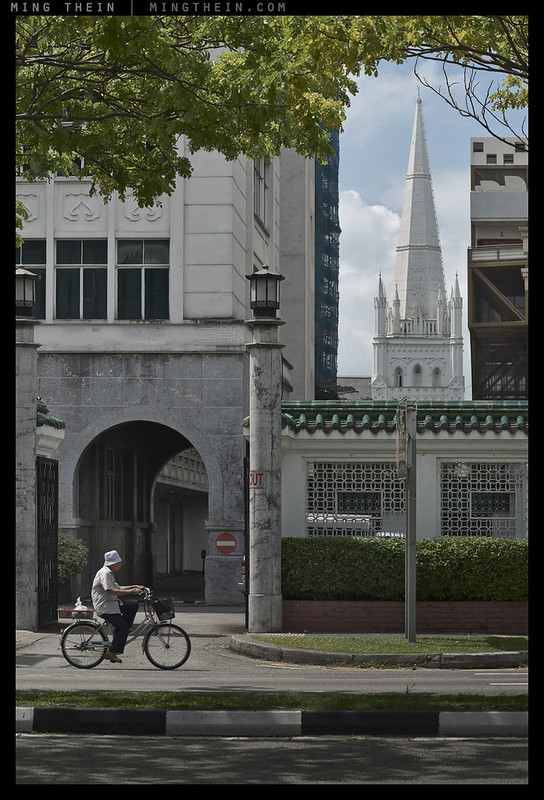
Singapore: a neatly organized life
Today’s photoessay has no theme beyond the observation of life as a flaneur in Singapore; in this case during in-between time from a teaching assignment a couple of months ago. You’ll notice this set of images is broken up into two distinct styles; the first series is more along the lines of what I do now – humans in environment; life in context; ‘people in sauce’. It is visually flatter, a little more structured, painterly, and perhaps almost aperspective in some ways. I like to think of the presentation as something akin to a more dynamic version of the traditional still life. The second set is unashamedly cinematic.
Staying on the bleeding edge: an economic strategy
November 4, 2014 by

All photographers like gear; there’s no question that to some extent we’re all equipment hoarders and collectors. But it gets expensive quickly, even if we are lucky enough to be able to write off purchases as business expenses. This post will explain my strategy to minimize expense but still keep yourself happily distracted.
In reality, I think there are three options that work, but you must stick to them religiously – otherwise the costs start to spiral when you ‘jump grades’. Here’s the rundown; in each case, the aim is to take as little of a depreciation hit as possible, and of course keep yourself entertained…
Photoessay: Observations of Londoners in summer
November 2, 2014 by
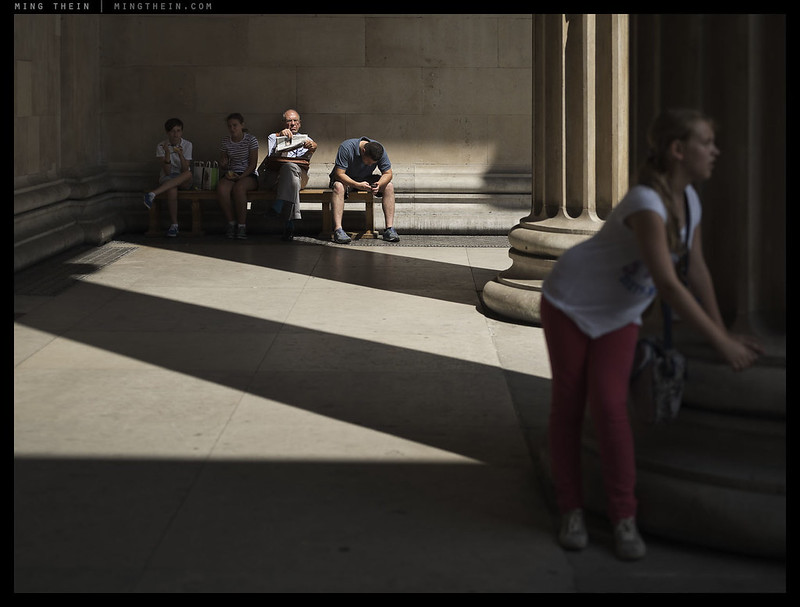
The watcher.
For what feels like no more than a couple of days a year, the entire mood of London changes as the sun comes out and puts (most of) the population in a good mood – it’s as though the vitamin D has a tangible effect on the constitution. In fact, I’m pretty sure it does; there’s no question I feel better after a bit of sun, and not just because I’ve got interesting light to shoot with. There are still a decent number of overcast days, but at least they’re offset by intense sunshine and great shadows.
Limited edition Ultraprint offer: Nob Hill
October 31, 2014 by

Ultraprints vs normal prints: visualising the difference
October 30, 2014 by
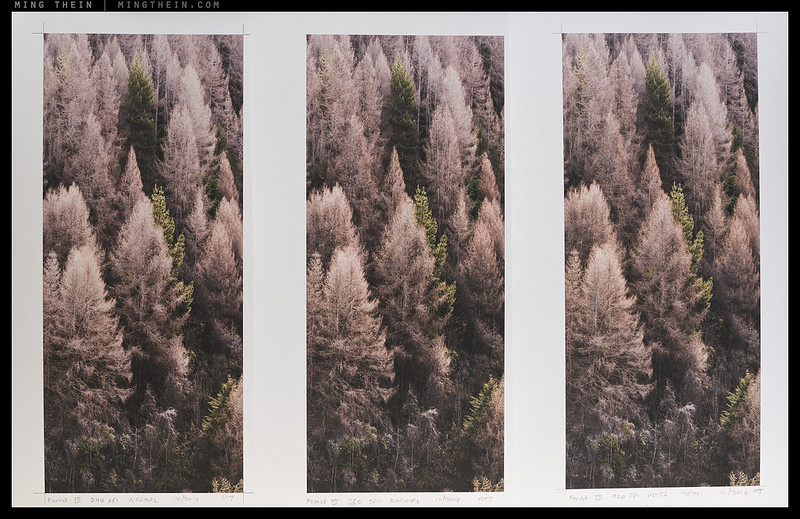
The comparison. This is your field of view at about a foot and a half viewing distance of the crops, which are 10″ high each. Larger version here.
Today’s post is an attempt to do try to convey just how much of a difference there is between an Ultraprint and what would be considered a normal, very good print. Since this is really impossible without seeing the prints in person, a direct comparison is perhaps the closest I can get when working via the internet. What you see here will come as no surprise to people who’ve bought the most recent one or two Ultraprints from Forest III onwards; however, things have moved on a bit since then.
Photoessay: London architecture in mono
October 29, 2014 by

Pillar and shadow
Summer is a good time for architectural photoigraphy. From a photographic standpoint, colors of course become more intense, but the contrast is also helpful for monochrome photography, and with the right filters (film or digital), extra punch and contrast can be given to skies. Given London’s relatively high latitude, even during the height of summer the sun doesn’t go perpendicularly overhead as it does in the tropics – which means not being quite so restricted about shooting during noon.






