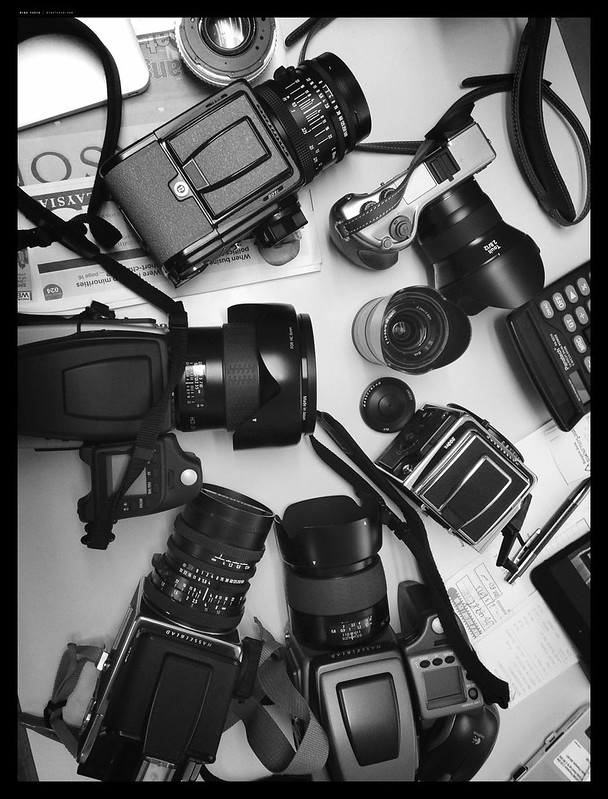
The Q&A post: ask me anything! (form now closed.)

At the suggestion of one of my readers, I’m going to try something a little different for today: Ask Me Anything, and I mean literally, anything – photographic or otherwise. There’s a question submission form after the jump which will be open for a few days; and at the end of it I’ll pick the most interesting questions to answer in detail. These will then be published in a future post. One caveat though: I won’t be answering any ‘what should I buy’ or equipment speculation type questions, because they are meaningless. MT

Update, 8 May: After receiving an overwhelming number of entries, the form is now closed.

[Read more…]

Photoessay: Urban observations in monochrome

IMG_4421b copy
Fragmentation in the face of modernization

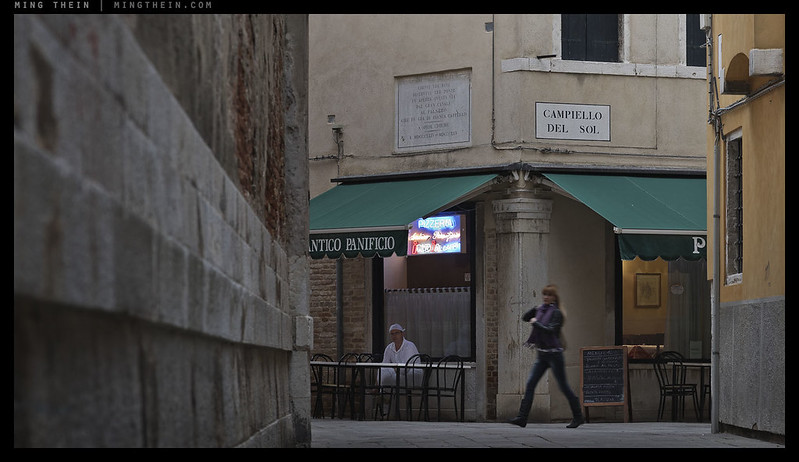
Today’s photoessay is a short series of urban observations and abstractions in black and white; I like to think of them as the things I (and presumably others) notice but either pass by or seldom bother contemplating. They are the little slices of whimsy that can make for an interesting interlude to an otherwise routine day. The captions are integral, I think. Enjoy! MT

This series of grabs was shot with various vintages of iPhone; mostly 5/5s and processed with the Monochrome Masterclass workflow.

[Read more…]

Mini-photoessay: Czech minimalist interlude

_8B21656 copy

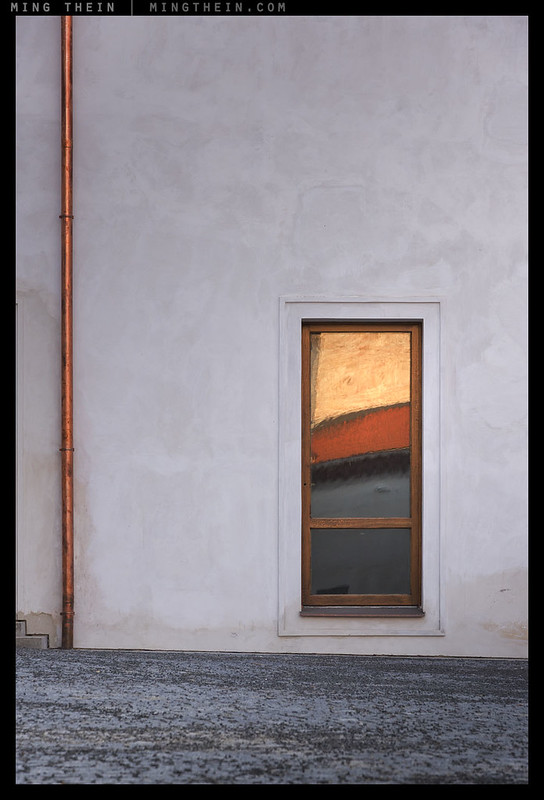
Inner fire

In the spirit of the subject and post, no words today. All images are available as Ultraprints on request; please shoot me an email if you’re interested. Enjoy! MT

[Read more…]

Curate curate curate (and, coincidentally, post #1,000)

_64Z5193 copy
Tribute to an American painter

I’ve never really talked much about what is probably the most important process in photography other than conceptualisation and capture/execution of the image itself. Even though it isn’t directly part of the photographic process, curation has probably the greatest impact out of all of the possible things you can do to control the way your work is perceived. Coincidentally, we’ve been running for a little over three years now, and this is also post number 1,000 – excluding the reposts. At an average length of 1,500 words per post (and many well into 4,000-5,000 range, plus the mammoth Camerapedia), that means there’s around ~2,200,000 words of primary content on the site, not including the comments. Not bad considering an average paperback is in the 100,000 word range. I suppose it’s therefore also somewhat fitting (and perhaps a touch ironic) that I celebrate being prolific by discussing the opposite. It seems it’s simpler to do it than talk about it, but equally important to do so in order to understand why…

[Read more…]

Photoessay: Abstraction and reflection in Chicago

_G008082 copy
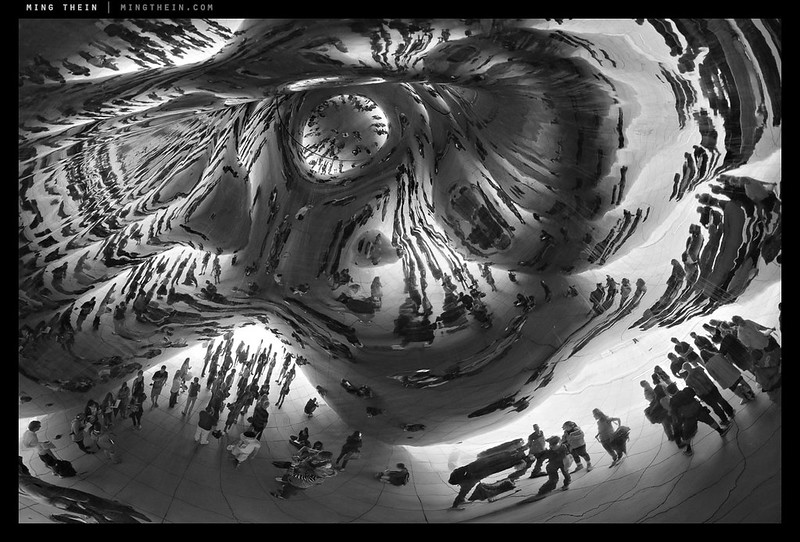
Only one place in Chicago…

I think without reflections, urban photography and architecture would be pretty boring. There’d certainly be no opportunity for the sort of ‘continuity errors’ that make for interesting juxtapositions and impossible geometries; the kind of thing that adds depth, complexity and texture to a scene. These were shot in Chicago with a GR, 645Z, D810 and Otus 85 and processed with PS Workflow II. Enjoy! MT

[Read more…]

Photoessay: the arches of Prague

_8B16842-50 copy
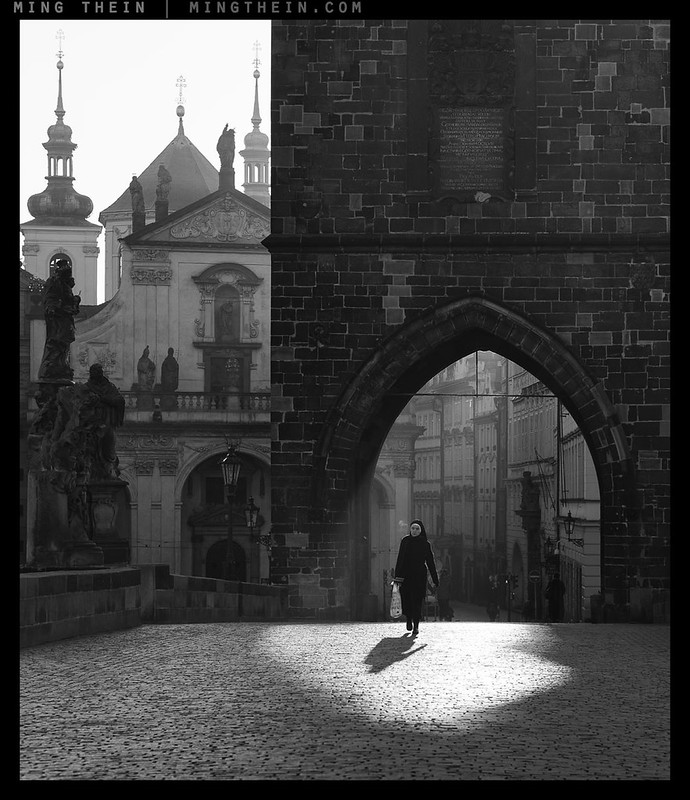
The nun at dawn

Prague is one of those locations which never fails to captivate – it’s an interesting blend of Old World elegance, modern efficiency and very friendly people. One of the things that falls out of the Old World setting is an unusually large number of arches – as a load bearing architectural device to create an aperture in a structure supporting a large building, they were pretty much the only option available if you’re working in stone or brick. Photographically, they’re a great device for framing and adding layers of interest to an image – beyond the obvious use of placing the subject in the middle, you also gain the ability to stack them up to create areas of interesting texture through geometrical repetition. On top of all of that, they also act as light control devices – if you photograph them side-on, they can create directional light out of a very flat day especially if there are no other apertures on facing them on the other side. This set was shot during the March Prague masterclass, and includes some of my favourite images from the city. Enjoy! MT

This series was shot with a Nikon D810, Zeiss 1.4/55 and 1.4/85 Otuses, the 45 PCE, and mostly the AFS 24-120/4 VR. It was processed with PS Workflow II.

[Read more…]

Process, equipment, creativity, photography and a confession

IMG_2414b copy
Aargh!

It is an indisputable fact that photographers are all obsessed with equipment to some degree. Though online forums are perhaps a poor barometer of public opinion because one only visits if you are looking for equipment reviews or spoiling for a fight with a troll, I’ve noticed the same thing here – after running this site for more than three years, the most popular posts are consistently the ones that are equipment reviews, to do with system choices, or hardware. Philosophy comes a very distant second – by a factor of three or more – and then only images, which are dead last. Surely I can’t be the only one thinking this ratio is a little odd, given that the whole purpose of the exercise is to produce images?

[Read more…]

Photoessay: a few unconventional landscapes

_8B11338 copy
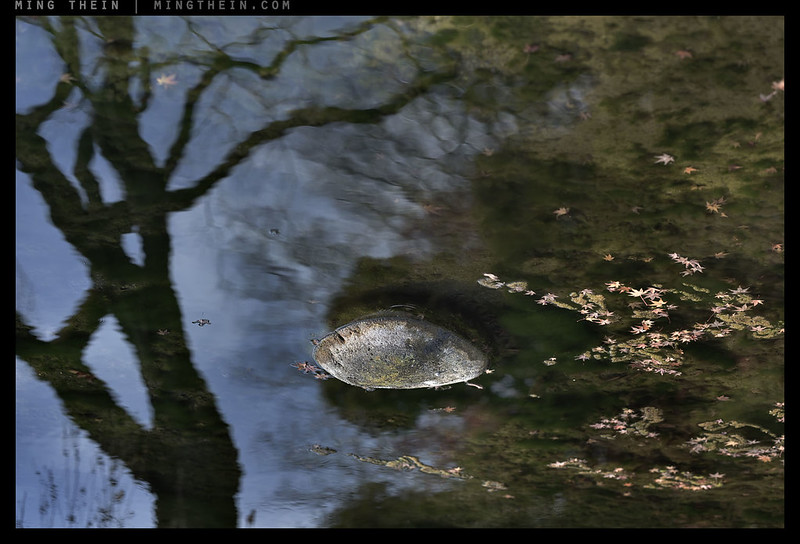
I – floating tree

Today’s photoessay is a little shorter than the usual, for the simple reason that it wasn’t easy to make these images – the opportunities didn’t always present, and even then, they had to be teased out. I’m exploring what the definition of landscape really is: do we have to have near/mid/far all the time? In the same plane? In a ‘literal’ sense? I think if you’ve read the articles on what makes an interesting image from the previous two days, this set may make a little more sense. The upshot is that I’m seeking to present a series of images that are unquestionably about nature, a bit larger than just a single detail (but not necessarily expansive) and perhaps with some deliberate ambiguity of scale: after all, nature itself is recursive and fractal. Needless to say, they do all work much better as prints, which are available on request as usual. Enjoy. MT

This series was shot with a Nikon D810 and various lenses.

[Read more…]

What makes an interesting image, part two: illusion and reality

_M9P2_L1000224 copy
Inversion I

In the previous article, we distilled down the two components of an interesting image: subject and presentation. We looked at the theoretical implications of both; today we’re going to attempt to address practical application. It will be in a very limited subjective way, as there’s simply no way to do it at an absolute level; I suppose it will be as much a snapshot of my current state of interpretation of the purpose of photography as a medium as much as anything. I certainly would not have had this line of logic two years ago, nor will I probably agree with everything again in another two years. The more we see, the more we experiment, the more our own vision evolves together with the creative philosophy behind it.

[Read more…]

What makes an interesting image, part one: subject and presentation

IMG_2907b copy
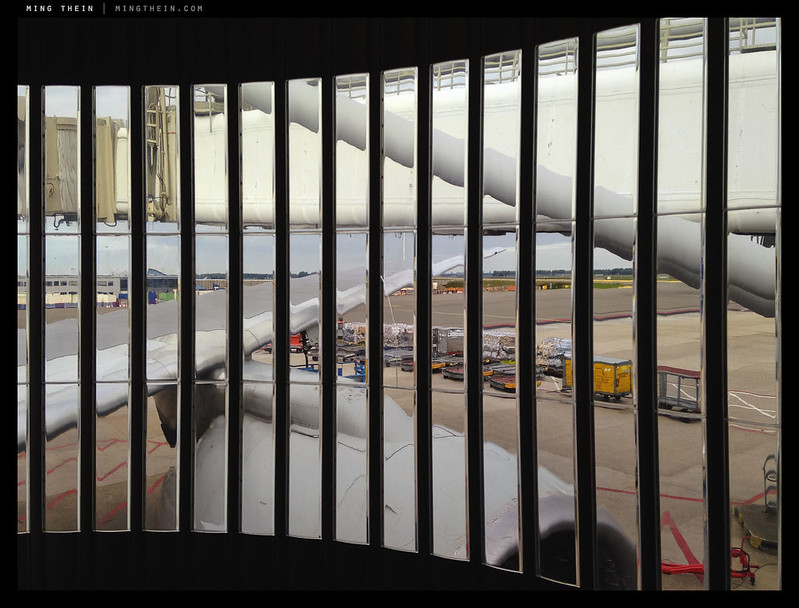
A traveller’s view. We have the required visual cues to say ‘airport’ – the aircraft, boarding gates, apron, terminal, bits of ground hardware. But also the vertical bars that suggest perhaps we are being imprisoned or limited in some way, and the lack of clarity or definition from the plastic windows making it unclear if the view is a reflection or perhaps the illusory product of jetlag…

In previous articles, I’ve explored what makes a technically good image; what makes a visually balanced image; what makes an emotional image, and of course what makes an outstanding image. But at no point have I really addressed what makes an interesting one. I’m going to attempt to tackle that today; but bear in mind this is an extremely subjective topic, and opinions may diverge enormously.

You have been warned.

[Read more…]