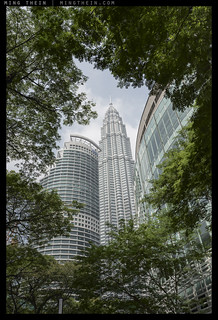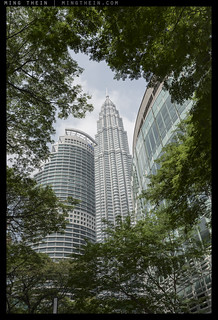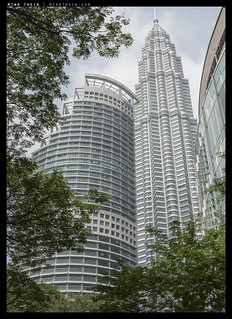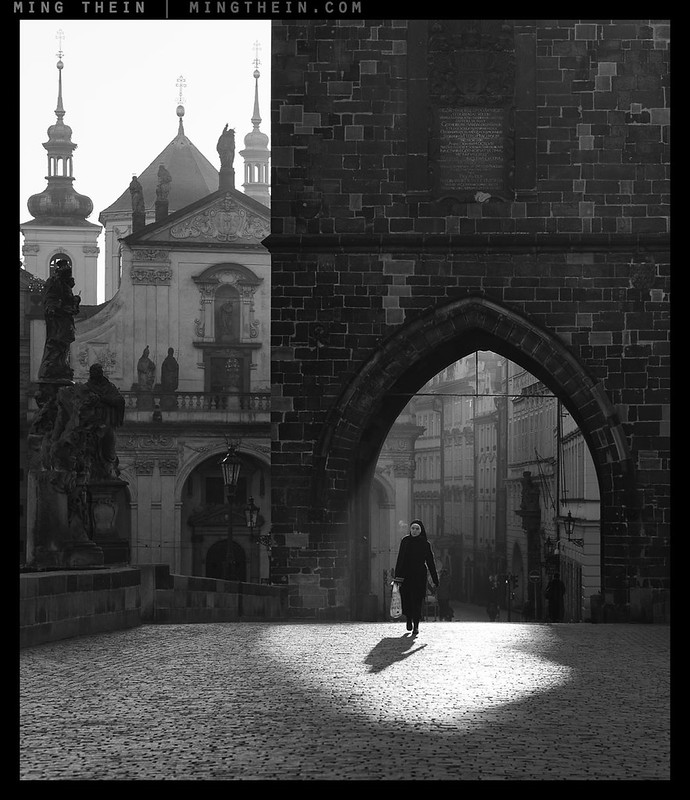
It’s that time of the year again. Prague seems to be one of those evergreen locations that’s always popular and perhaps the most frequently requested – so here we go 🙂 This time, it will run from 5-10 September 2016 inclusive, which I think is one of the best times of the year both climate and tourist-wise. Here’s the report from the previous Masterclass in Prague in 2015. I’ve actually only got a few places left, so if you would like to join us, please be quick…read on for the details, or send me an email to book.
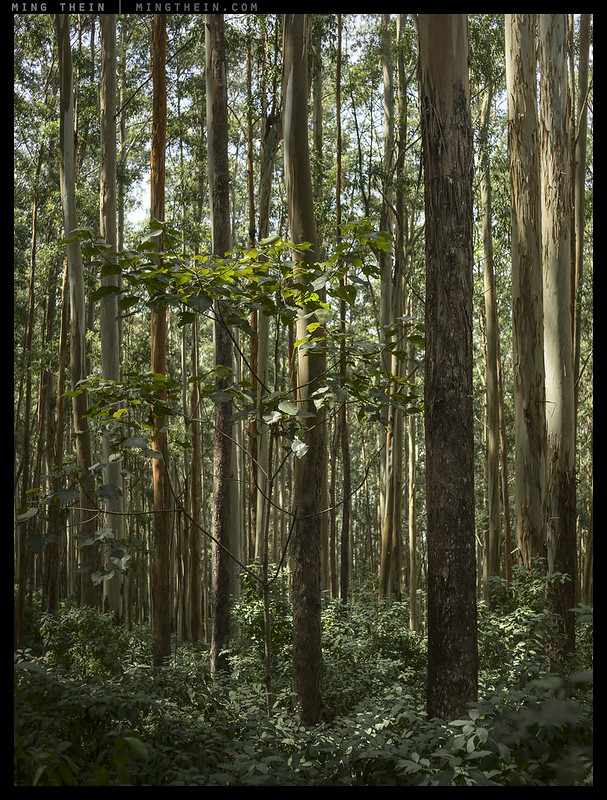
Photoessay: Forests of the Nilgiris
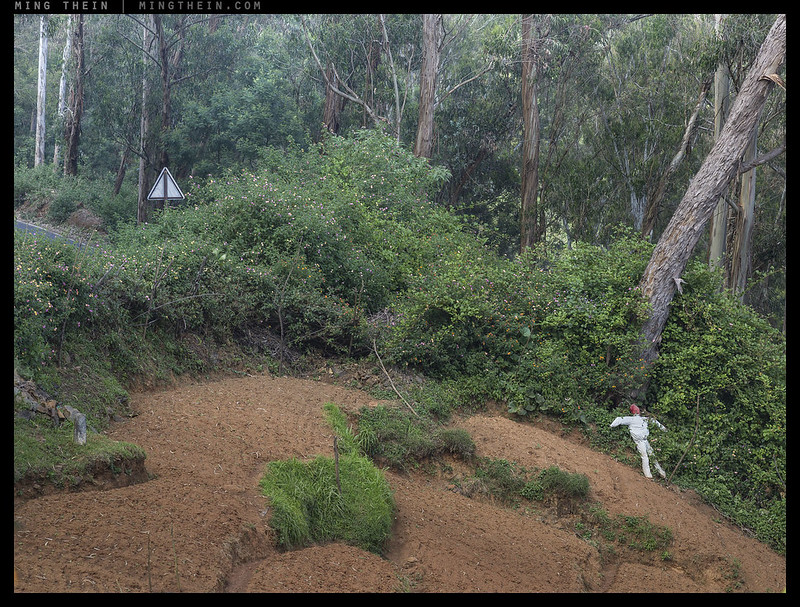
Today’s post is a little sampling of the forests in the Nilgiri mountains in India – with quite a range of altitude, you get a wide range of flora from tropical to almost alpine and trees clinging to sides of steep escarpments, in places transitioning into tea plantations – complete with tigers, elephants and other wildlife to match (which also rendered large areas off limits – both for reasons of wildlife and human-life preservation). We didn’t encounter any of those, but we did spend quite a bit of time traveling through the predominantly montane forest. I of course also continued the Forest project of gigapixel-plus stitches, which I’ll probably never show digitally – the effect is completely lost. Nevertheless, I’ve always found forests to be very relaxing and tranquil places – and I hope the effect carries through on screen, even though digital media isn’t the best way of reproducing a fractal subject. What should of course carry through is the tonal palette – I’m pleased because this is about the closest I’ve gotten so far to almost full transparency, thanks to the CFV-50C. Enjoy! MT
This series was shot with a Hasselblad 501CM, CFV-50C digital back and a variety of lenses, and post processed with PS Workflow II.
Introducing the Printing School, in collaboration with Wesley Wong of Giclee Art
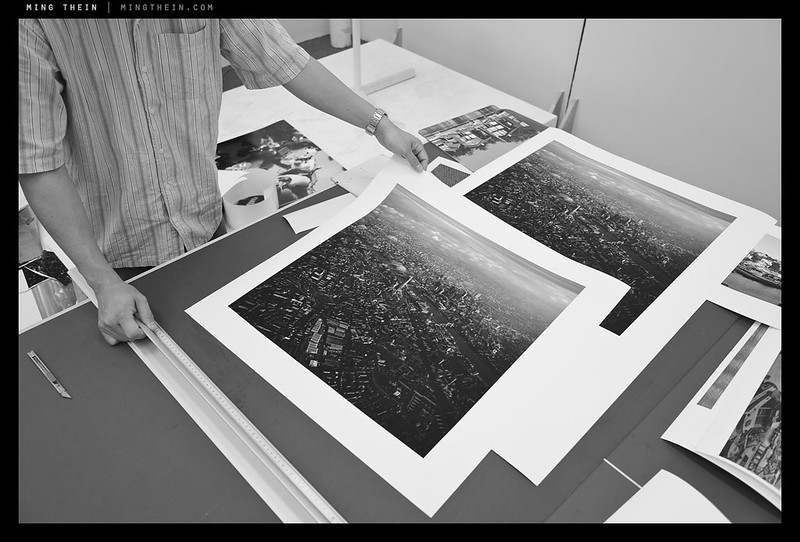
It is with pleasure that I’m announcing a new collaboration today with master printer Wesley Wong of Giclee Art, whom you’ll remember as the gentleman who takes care of all my art and exhibition printing – and has done for the best part of five years now. I think it’s safe to say that there’s no way to view a lot of the information captured at a single glance other than in print – there are no monitors that can display 50MP, for instance – and there’s also no better way to make an absolute reference image. I think this is very important as a photographer to take your own vision further; if you cannot visualise the finished product, how can you show it to others – or expect them to be able to appreciate your vision too? Beyond this, there is also the tangible satisfaction of producing a print and having a physical object as fruit of your labor. However, there has always been a gap between learning the art of printing in such a way as to be accessible to all – because of the physical element – and the economics of experimentation and running your own printer. As much as I print personally, it still doesn’t make sense for me to own my own hardware – there are periods where I don’t print at all, and keeping the printer in working order would require dumping very expensive ink through the heads to keep things flowing. Of course, if you utilise external print services, this is moot.
Following demand for printing workshops from a widely spread audience, Wesley and I have been working on these challenges for a while now, and we believe we have a solid teaching structure that addresses all of the issues. Beyond that, it also allows for one on one and personalised tuition around the needs of the individual in much the same way as the email school. Continue after the jump for the explanation, and to sign up. We will limit this to just five students for the first intake.
Photoessay: Non Sequitur
And for something a little different today: the images do not follow in any particular sequence, nor do the contents of the images themselves make a story that makes any kind of immediate sense – this is of course deliberate. There is a narrative here, but I think it’s an extreme example of the message being far more dependent on the interpretation of the audience than the presentation of the photographer – so I shall leave these images without titles (probably much to the great relief of half the audience). If the images make too much sense, look closer – and form your own conclusions… MT
This series was shot with a Leica Q, Hasselblad 501CM, CFV-50C digital back, various lenses, and post processed with Photoshop Workflow II.
On vision and postprocessing

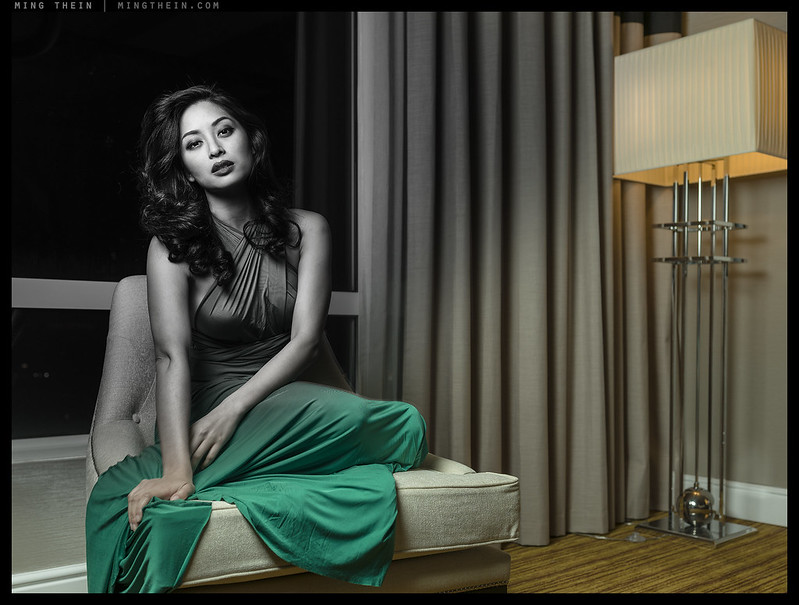
Before and after – starting point of RAW file in color (right), final presentation mono (left). Is that ‘photoshopped’? To most audiences, it probably is; but it’s no different to using black and white film, processing with a certain chemistry and doing a little dodging and burning of the print. Nothing has been added or removed that was not physically present in the original scene.
Though the mainstream population has now been firmly in the digital era of photography for more than a decade, I’m sure we can all remember a recent time when we were asked ‘so how much photoshop did you do?’ when presenting an image. The misconception that a good image must have some degree of implicit trickery is problematic; to the public, ‘Photoshop’ has become synonymous with ‘digital illustration’, ‘compositing’, or worse, ‘deliberate misrepresentation’. As much as we do our best to explain that Photoshop is really no different to the darkroom and chemical processes of the film days, we are at best regarded with some skepticism. But it does beg the question: why not use all the tools at one’s disposal, and what’s wrong with it if we do?
Photoessay: Layers of dusk to dawn
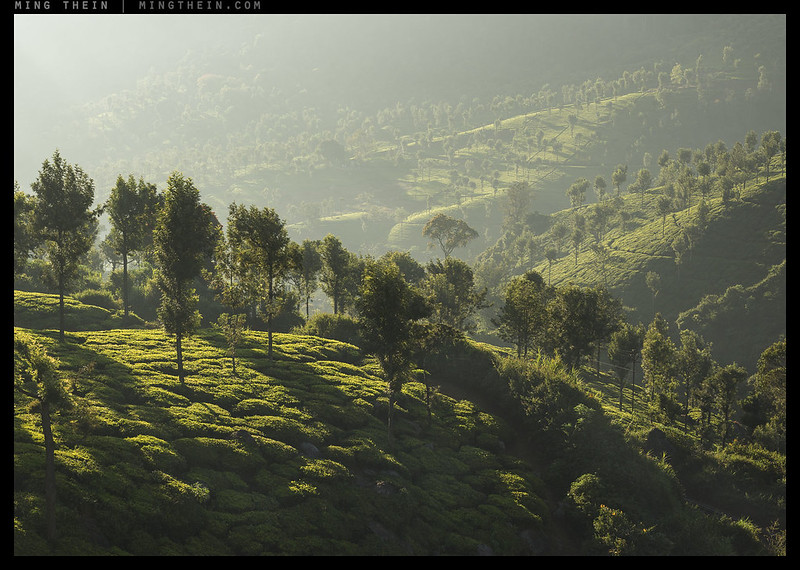
I have this habit of shooting against the sun at dawn and dusk – I think it must be a natural aversion to having the light source directly behind me, which it otherwise would have been had I been facing the other way. I didn’t consciously curate the images this way, but it turns out pretty much everything from the early morning and late night sessions in Ooty were shot contra-jour; there’s something about the light hitting the mist or dust or other particulates trapped between hills and creating nicely recursive (and slowly vanishing) layers into the distance. I could probably have used an EVF in some of these situations to avoid going temporarily blind… Enjoy! MT
This series was shot with a Hasselblad 501CM, CFV-50C and processed with Photoshop Workflow II.
The difference between trimming and cropping

This may seem like nitpicking, but I assure it isn’t. There is a fundamental difference between trimming and cropping; I had a lengthy email discussion with a reader recently on exactly why it makes a difference – both compositionally and conceptually. There’s a third ground too, which is very much intention-driven – and unlike situations that require attorneys, photographic/creative intention is much easier to prove.
On-Assignment Photoessay: Curves in the garden
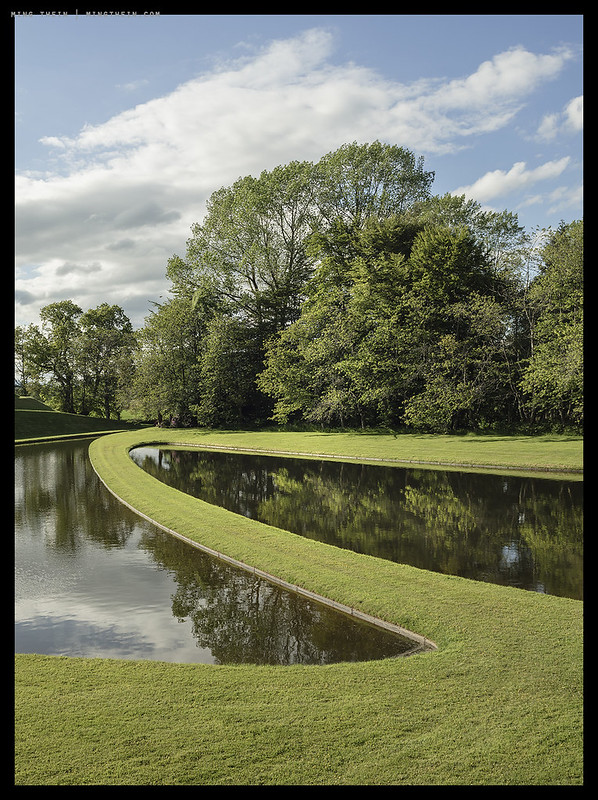
This series contains more images from an unusual but highly rewarding assignment last year – documenting the work of landscape architect Charles Jencks, both at the Garden of Cosmic Speculation and the Crawick Multiverse. Both of these are cosmologically-inspired ‘built landscapes’ with features that reference various features of our universe, and best appreciated with time (no pun intended) – it can take some walking not just to see everything, but to get a feel for how the various elements come together and relate to each other. This was one of those rare assignments with an open brief – both intimidating and extremely satisfying at the same time because of potential scope and expectations. Fortunately, all went well. Today’s photoessay focuses on sculpted curves in the Garden of Cosmic Speculation. Note that the changing hues of grass aren’t due to profiling or color mismatches – it was shot over a couple of days and was quite windy (as you can see from the sole long exposure) and light changed fast with the flow of clouds as a result. It isn’t the same as walking through it, but that’s not physically possible for most of us – enjoy, and bonus points if you can spot the smile in the landscape! MT
This series was shot with a Nikon D810, 24-120VR, 24 PCE, 85 PCE, Canon 5DSR and CY Zeiss 2.8/35 PC Distagon, and post processed with PS Workflow II.
Photography is a conversation
Searching for pearls of wisdom
For the longest time, I’d always thought of photography as a visual presentation. A single photograph should be a story, and that story is whatever you choose to present. A series of images should be a a complete epic narrative, with beginning, end and some drama. That is still true, but doesn’t really take into account the dynamic between photographer/artist and viewer: the truth is that no two individuals are the same, and even if one person in that relationship remains static, the other brings with them their own set of biases and expectations and associations. In that way, the story can told can never really be the same with each telling: it’s really more like a conversation.
And we have a winner!

The random number bots have spoken, and Mark A. drew the lucky straw. Congratulations, and Izzy Flamm from B&H will be in touch (or should have been already) very soon to send you your gift card. Thanks to everybody for participating! MT