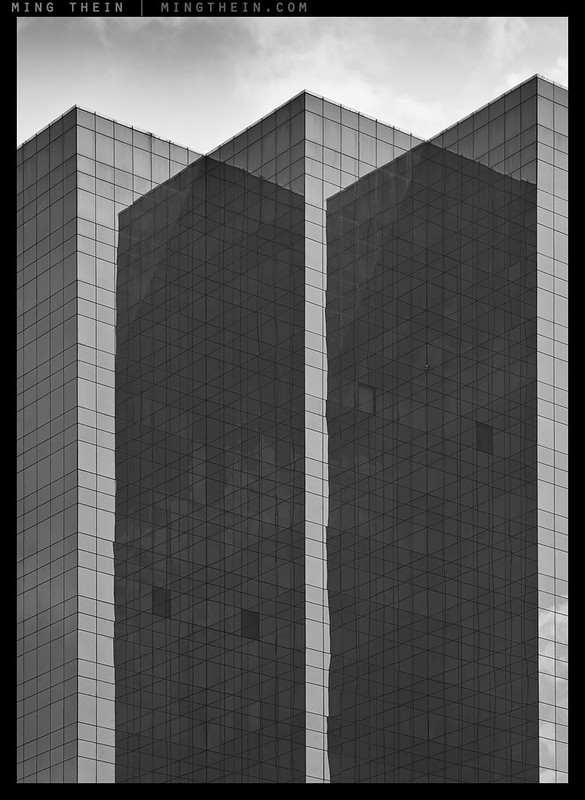
Transparency
Time to present a little minimalism of my own today, in the form of some architecture.
reframing the world one picture at a time
Transparency
Time to present a little minimalism of my own today, in the form of some architecture.
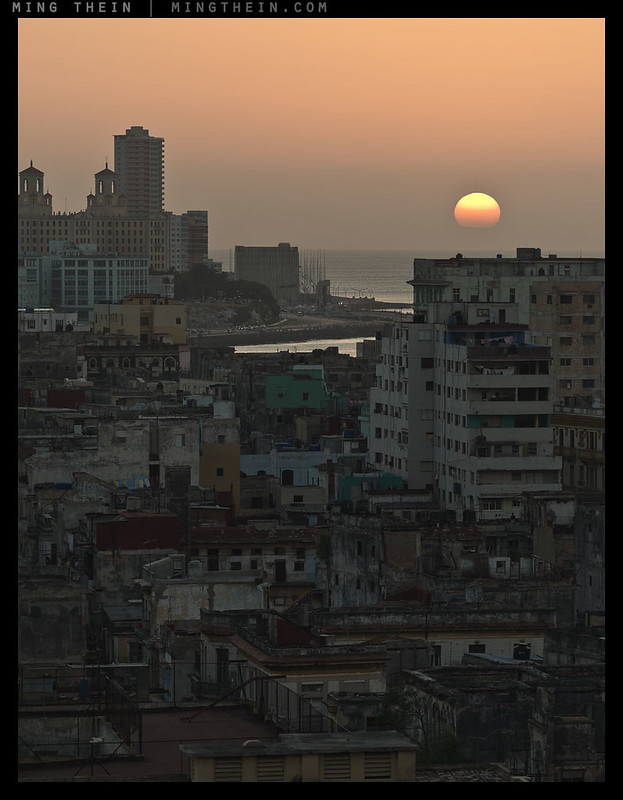
Sunset
Today’s photoessay is the second part and conclusion of the previous photoessay-review. It’s a little broader in scope and less human-scale than the previous one; this is deliberate as there’s definitely an element of the brutalist in Cuban architecture; my theory is that it’s the influence of socialism. You may find the majority of these images to feel toned; that’s mostly a consequence of atmospheric conditions: the best hours of the day to shoot proved to be early morning and late afternoon/ evening, both of which were extremely warm. In any case, I believe it fits the feel and mood of the city well: it’s just a lazy afternoon kind of place, even when it’s ten in the morning. I’m going to stop looking for excuses why I was lighting up a cigar at 9.30 now.
This series shot with a Nikon D800E and 70-200/4 VR. Enjoy!
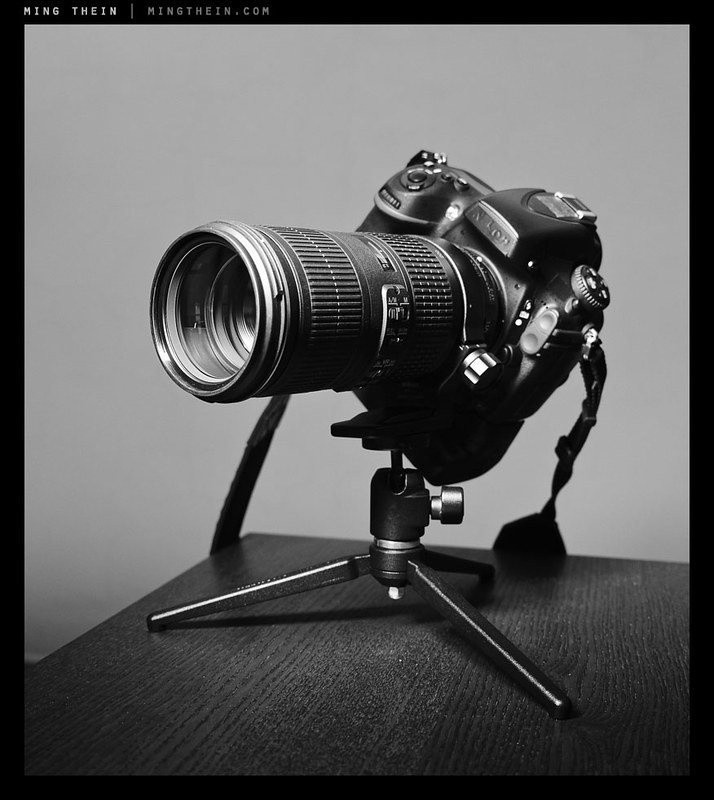
This will be the first in my new review format for ‘light’ reviews – pieces of equipment that perhaps don’t necessarily need a full blown magnum opus, but benefit from some context in deployment and typical usage. A short piece on the D4 will follow next.
One of the few lenses in the Canon system I’ve long been jealous of is their 70-200/4 IS (in addition to the 17TSE). Until not so long ago, Nikon users have been missing a light/ compact high quality telephoto option. Sure, there’s been the 70-300/4.5-5.6 VR, but that was only a decent performer up to 200mm; anything else was emergency territory. And it simply wasn’t that good on the D800E, nor a pro build. Finally, we have the AF-S 70-200mm f4 G VR ED IF (what a mouthful). I’m going to address two questions in this review: firstly, is it any good, and secondly, f2.8* or f4? I suspect the latter question is going to be of interest to many still sitting on the fence.
*It’s important to note there are two versions of the 70-200/2.8 G VR. I’ll go into the differences in more detail later.

An obsession with things on sticks, I
Whenever I travel, I find the people more interesting than the location: they give a place character, and say a lot about the local culture. It is therefore natural that we photograph people as part of a travel photography set, and seek to capture a little bit of everything: some culture, some uniqueness, some context – in essence, the spirit of the location. Things that stand out are behaviours that I find unfamiliar or inexplicable; but this must be balanced with normal people going about their lives to avoid a biased view of extremes and stereotypes. I found Taipei to be a quirky blend of China’s modern awkwardness at attempting to copy the west; Japan’s tech-obsession, and a little of that old dynastic elegance. Enjoy! MT
This set was shot with a Ricoh GR, Nikon D800E and Zeiss ZF.2 1.4/55 Otus APO-Distagon.

Imaginary visitor
In the previous part of this essay, we discussed how diversification of media and bringing control to the masses changed the face of photography; today we’re going to continue with some thoughts on the current standard-bearer for that camp, and some concluding thoughts on what it means for everybody else.

Sleeping dogs and all that.
Having been on Instagram for a few months now, and having to consciously separate out mobile photography as something that’s done independently from my ‘more serious’ work – I’ve had some time to rationalise my thoughts around them whole sub-medium. What I’ve found is that having a dedicated output channel for the results not just makes you look more actively for opportunities to use it, but also adds a layer of confusion: how do you decide when do you use what?
I’m going to break from tradition a bit – rather than me show you a whole bunch of photographs of my students photographing, I think it would be better to let the results speak for themselves: instead, most of my students have graciously agreed to share a few of their images and thoughts from the recent Havana Masterclass. It should give you a fairly good idea of exactly what we do during a Masterclass…

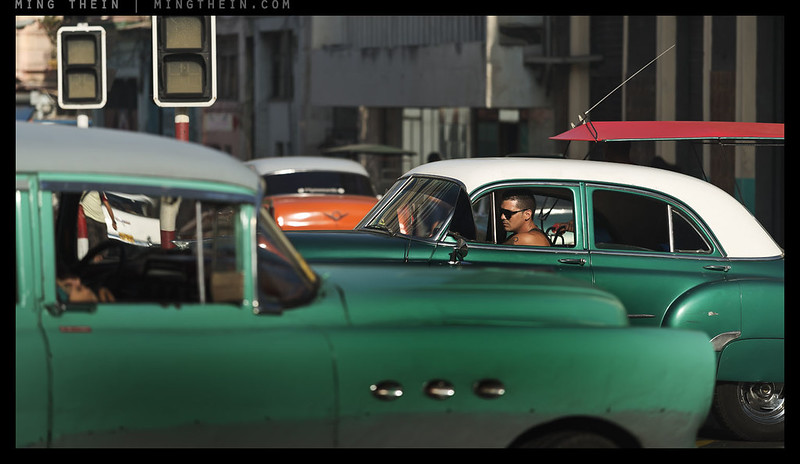
Everybody loves cars, and especially old cars. And Havana – well, it’s full of them, in various states of repair; a veritable photographic paradise. The mixture of textures, colours, shapes and an elegance of an age past make for some very interesting images indeed. The selection of cars may appear random, but those participants who were with me on the Havana Masterclass will know that there was often quite a lot of waiting involved for just the right car to come along to complement the scene and mood.
Following the success of the previous run, it is therefore my pleasure to open the next limited edition Ultraprint run for orders: The Cars of Havana. Read on for details, and to buy.

Today’s photoessay contains images I initially shot for a client much earlier in the year; the German tunnel-boring specialists Herrenknecht and MMC-Gamuda for the greater Kuala Lumpur mass transit project. The project itself will bring a unified rail system to Klang Valley over the next five years; in the meantime, it’s utter chaos while everything is being dug up or diverted so overhead pylons can be put up. I was hired to document some of the underground work.
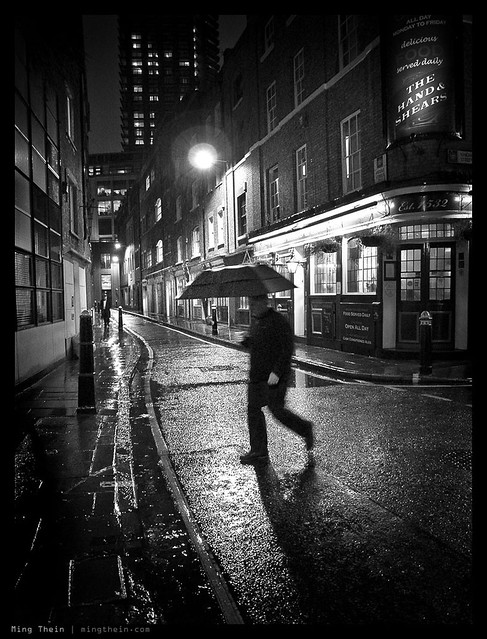
Due to scheduling conflicts of one of the participants, I’ve just had a place open up for the Making Outstanding Images Workshop in London, from 16-18 July. If you’re interested, please send me an email. More details are below the jump, and selected testimonials from previous workshops are at the bottom of this post. Thanks! MT
Behind the scenes videos


If you enjoyed the content, please consider  -ing or subscribing - thanks for your support!
 Ming Thein | Photographer