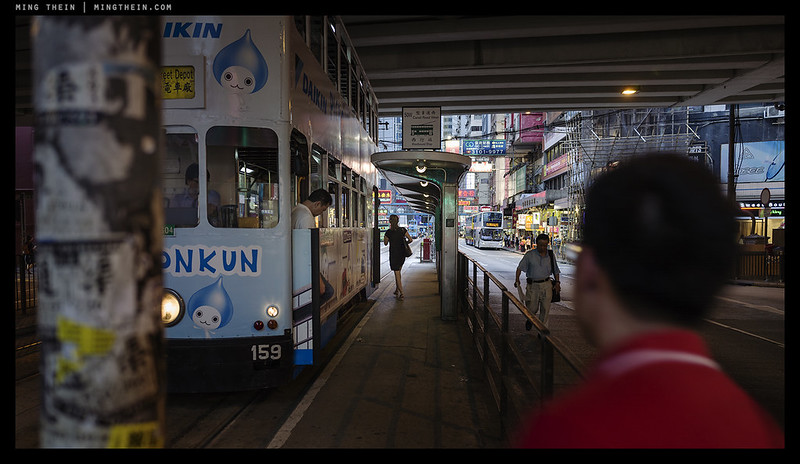
Given we’re in the first day of the Cinematic Masterclass with Zeiss in Hanoi, it seems only appropriate that I bring back this classic post for another round – with new images, of course!
reframing the world one picture at a time
Given we’re in the first day of the Cinematic Masterclass with Zeiss in Hanoi, it seems only appropriate that I bring back this classic post for another round – with new images, of course!
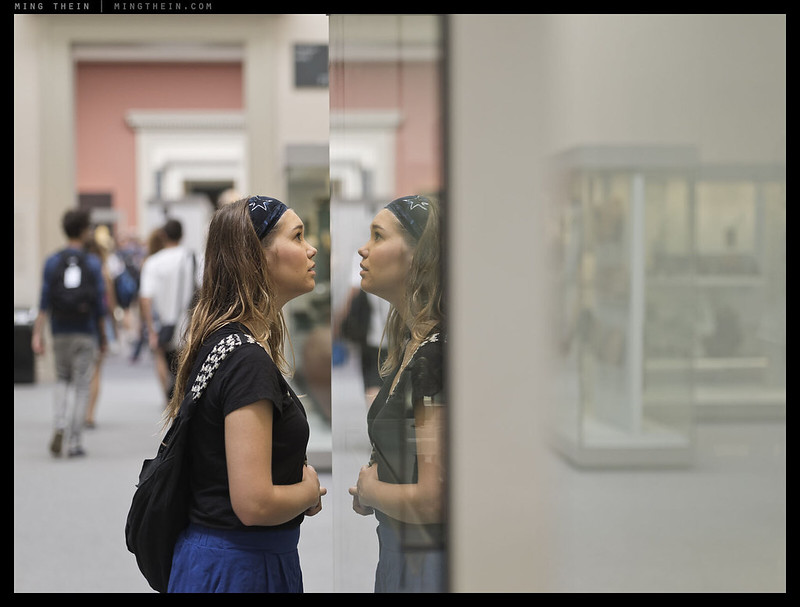
Self reflection.
My initial idea for this post was to examine where street photography is going today; on further reflection, I think it’s perhaps more a question of addressing some overdone stereotypes perpetrated by camera collectors and social media warriors – not photographers – to see if we can get a bit more understanding into a) why those stereotypes exist, and b) if we want to produce visually different and better work, what needs to change. Read on, but only if you don’t believe everything should be shot from close range and monochrome contrast is solely binary.
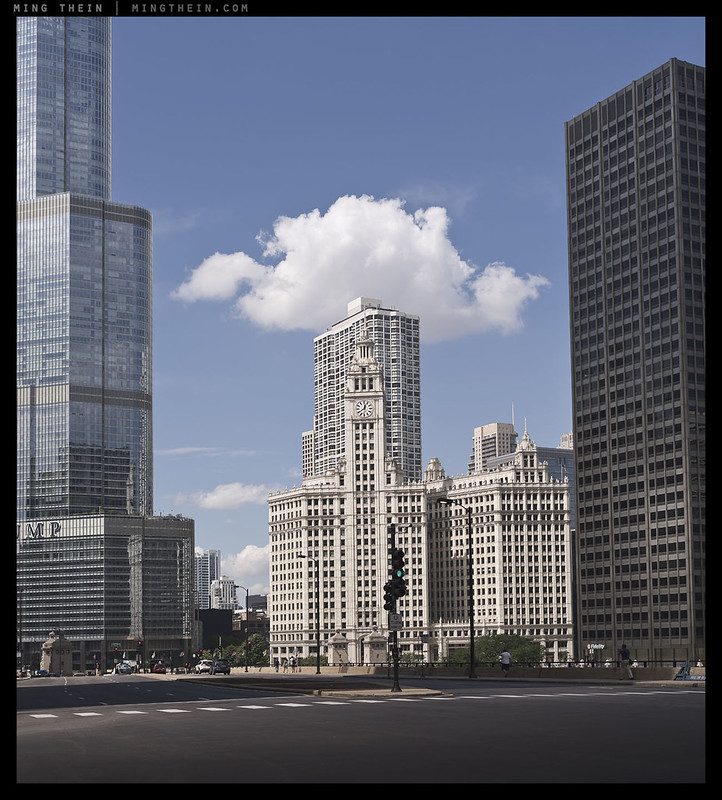
How do you spontaneously prepare for situations like this? Or compose around your limitations?
This is a question that all of us have to address at some point or other – and one whose answer is not exactly straightforward. Having fielded this many times from students, random persons and more often than not, myself, I feel fairly qualified to answer it in a way that I feel yields the best compromise…
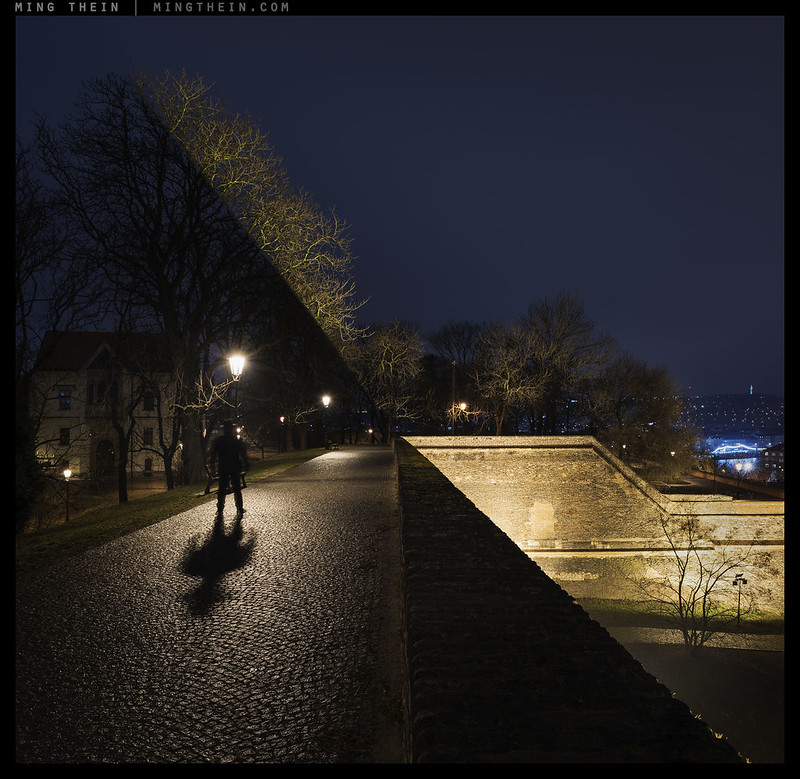
Drawing down on ghosts. Vysehrad fort, Prague
Most of the regular readers here will be familiar with the concept of ‘the four things’ – this is to say that there are a few elements that are independent of content that every image must have in order for it to leave some sort of impression on its audience. The framework is both a useful checklist and teaching tool to get a photographer to a certain level of proficiency; however, it can be restrictive in the sense that it is still somewhat formulaic. And that’s half the challenge here: if you can fulfil a list of objectives to make an outstanding image, then what is the function of the photographer? Surely these things could be programmed into an algorithm and left to its own devices to make the next hundred great photographs of the century? Wrong. There’s still one last element which will never foreseeably be automated or predicted or planned.
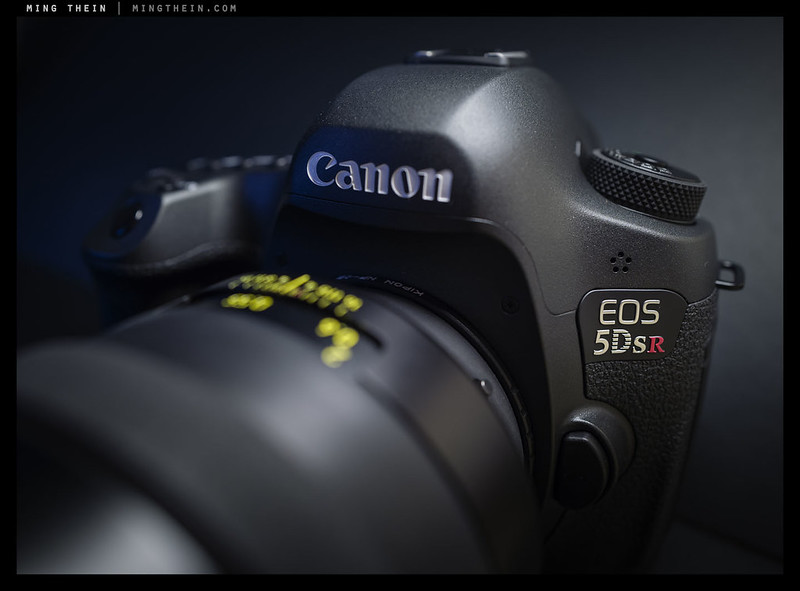
My Canon 5DSR arrived a couple of days ago. Surprise #1: it’s not a loaner. Surprise #2: I haven’t had time to shoot with it yet. For somebody who’s not known for having any particular interest in ‘the other side’, questions are bound to be asked. And I’m sure somebody will also mention the A7RII. But, there is a method to the madness – it’s not wanton equipment lust that I’ve fallen victim to, though my bank account will certainly need some time to recover from the shock of both a Leica Q and 5DSR within the space of a week. I would love to share images, but – see Surprise #2. Since early June, I’ve been back to back on assignments, the hanging, opening and related activities around my exhibition Connection in Hong Kong – during which we raised $2.4m for two charities in print sales, auctions and sponsorships – and I was back in Kuala Lumpur just long enough to attend the Q launch party, pick up the 5DSR and make sure my family still remembered me. Images will therefore continue to be forthcoming.
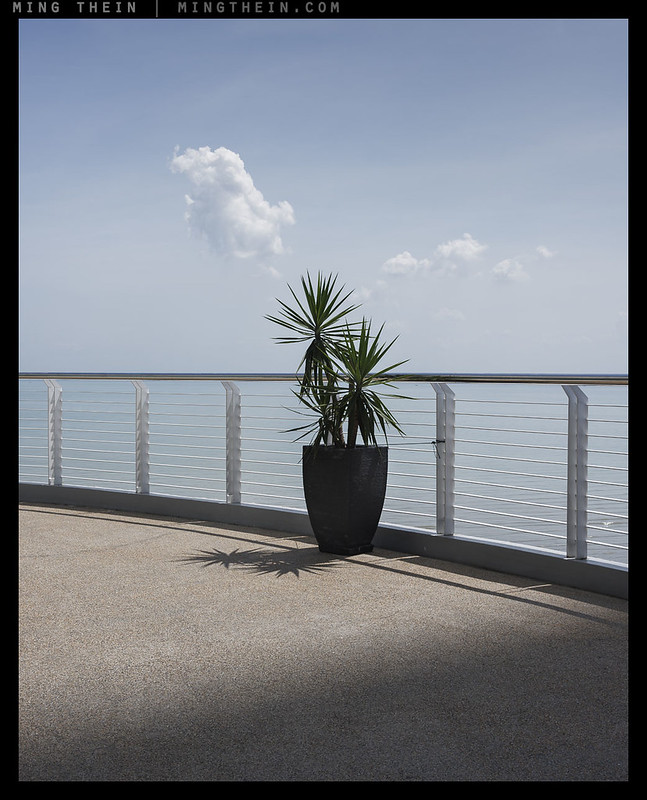
The sigh of relief on completion
Today’s article is a practical one: how to efficiently deal with the postprocessing workload and overhead, especially when you’re shooting in enormous quantity. I originally wrote this on the back of several back to back assignments and trips, but for some reason it got buried in the deluge. Now that things are a little quieter, I’ve had a chance to revisit and amend. I’m sure I’m not the only one who’s got the twin problems of shooting too much and then suffering from editing fatigue, in turn resulting in compromised selections and postprocessing…

All questions lead to some sort of decision tree, chain of causality, whatever you want to call it: branching to many ends, some of them dead.
These questions may be technically difficult, contextually difficult, commercially difficult, diplomatically difficult or all four – but at some point, we’ve all had to face them. Some of us more than others. And the real challenge is that the answer always depends on who’s asking. Read on if you dare.
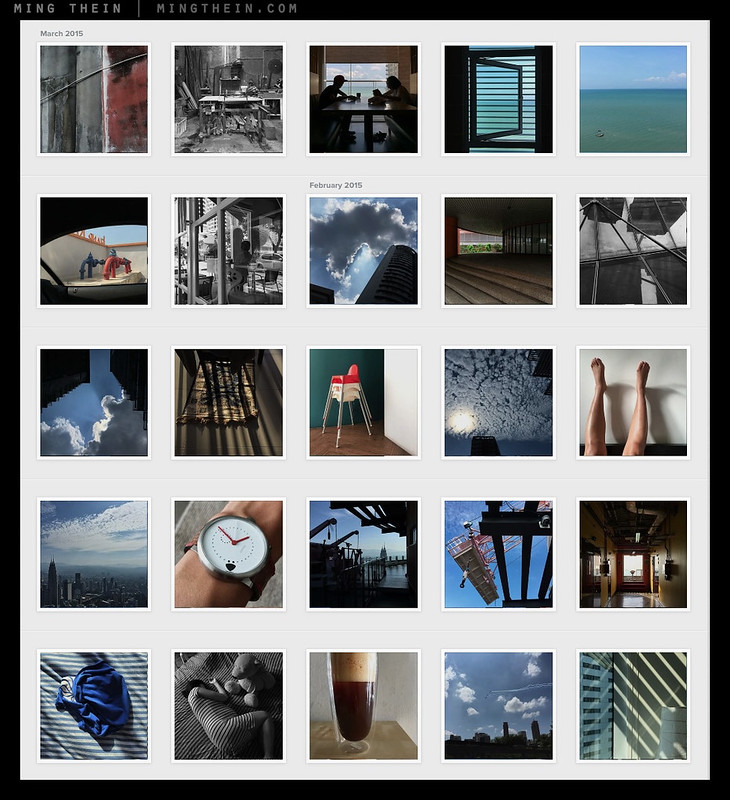
For a very, very long time, I was against instagram simply because of the mediocrity it perpetuated: run any crap image of a cat through one of our filters and make a masterpiece! Slowly, things changed. You could upload images you didn’t shoot with your phone. You didn’t have to filter them, even if they still had to be square. They actually introduced an editor with control closer to Photoshop than a cookie cutter (vertical and horizontal keystone correction, anybody?). I caved, and as previously announced, have been using it for some time – more than a year, in fact. (You can find me here.) Whilst the purpose for the majority of users is clear – it’s a visual social network, of course – my own rationale for using it has been far less clear until recently.
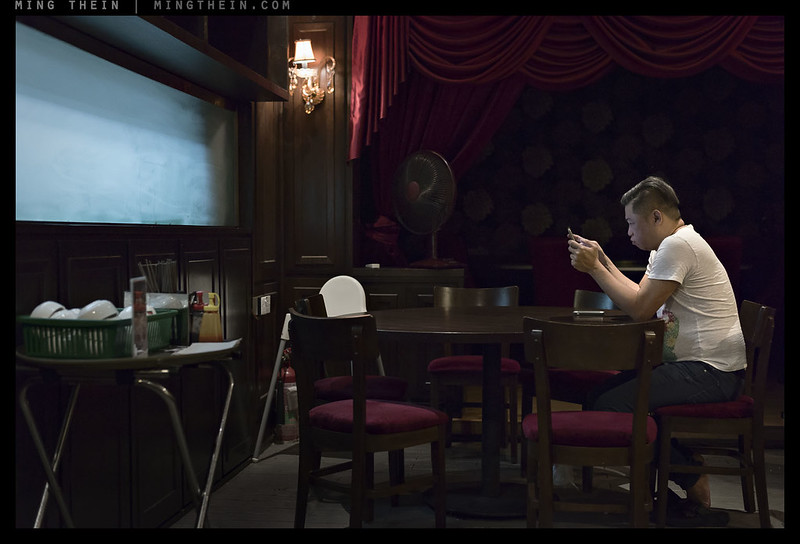
After all the people have gone home
In a previous post, I tackled the general concept of an abstract photograph. I think it can be refined down something of the following: an image which is balanced equally across the entire frame such at that no one area attracts your attention more than any other area; the eye wanders, takes in the details, and never really lingers. By this definition, there is no subject since no one area or element of the photograph stands out more than any other; however, you could probably also argue that the entire frame is really the subject. Semantics is a funny thing, though, and this isn’t quite the definition of the term: we must think in terms of essences and summaries instead. An ‘abstract’ of a paper or article is really the core idea distilled down to the simplest possible terms; the objective elevator pitch rather than the marketing tagline. Today’s article tackles the visual equivalent of that: how do we take an idea and translate that into something visual?
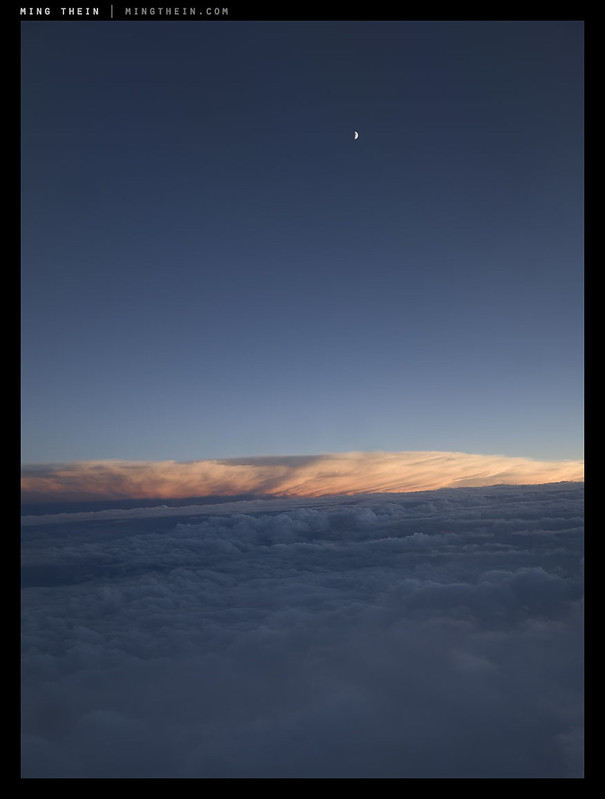
Why is it so difficult to get sunsets to appear ‘right’? Read on for the answer.
Many photographs do not work. Subsequently, we find out they do not work because there is a difference between what you saw and what your audience sees in the image. Sometimes this comes down to lack of skill in translating an idea, but often it’s more subtle than that: the camera doesn’t see what we see, and we need to be both highly aware of that and how to compensate for it. Yesterday’s photoessay is a good example: it’s no big deal to make a monochrome image, but our eyes only perceive a lack of color under very exceptional circumstances. Yet it’s these differences that make some images stand out, and others not really ‘work’.
Behind the scenes videos


If you enjoyed the content, please consider  -ing or subscribing - thanks for your support!

