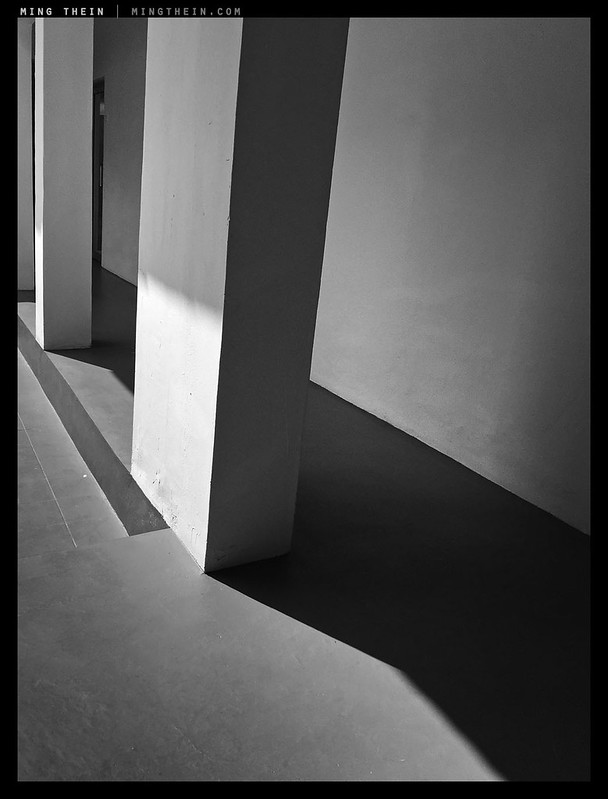
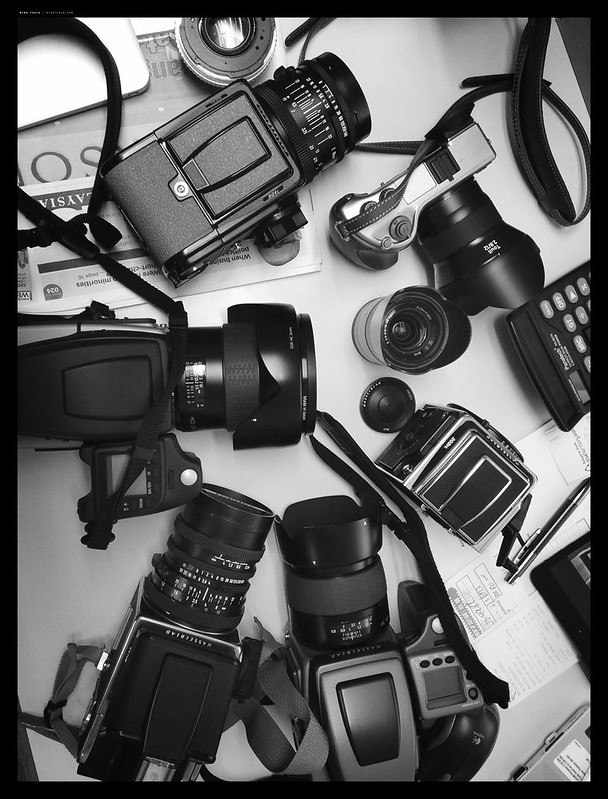
Rule number one: there are no rules. A ‘mistake’ may not necessarily be a mistake if it helps convey the message or story or feeling intended by the photographer. I can easily think of multiple examples that go against every scenario described below. That said, for the most part, I’ve found these ‘mistakes’ to hold true. And if you want to achieve something very specific, then you either won’t be reading this article in the first place, or you’ll know when to bend the rules. The general viewing public probably has some preformed opinions of what is right/good, but these are born out of as much ignorance as conditioning by companies trying to sell more software or lenses or something else. There are rational reasons why these opinions may not necessarily be right in the context of fulfilling creative intention.
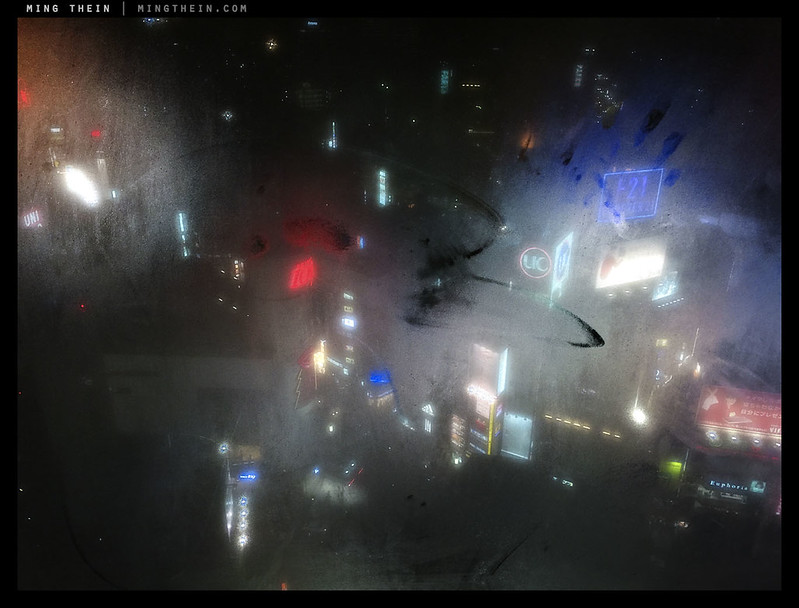
Photographic detox, part two
Part two: get creative (continued from part one)
The camera companies and retailers are going to hate me for writing this, because it’s not going to sell any more equipment. If you were hoping for a quick solution that involves a credit card, I’m sorry too – there is no substitute to better photographs other than hard work. But this doesn’t mean it can’t be fun or creatively liberating – after all, isn’t that one of the key reasons we shoot at all?
Photographic detox, part one
And now, for something a little different. We all fall into creative ruts occasionally, and we can all benefit from a little reboot from time to time. Think of it as the closest we’re going to get to a creative diet plan of sorts. It doesn’t involve more fibre, or workouts, or stairs, or eating things that might look healthy but taste terrible. I promise not to make you develop your own film, though you certainly can if you want. Read on if you want to tighten your photo-chops.
Apple PC hardware choices for the photographer

Choices, choices. Image from the Apple Malaysia homepage.
At some point early on in the digital era, the world decided that Apple was the way to go for serious photographers and graphics professionals – granted, there were applications that were Mac-specific or just worked so much better on a Mac than a PC that it made sense. I’m sure some of that was image and hubris, too pricing be damnmed, the hardware just looked sooo much cooler. There was also a point in not so distant history at which we weren’t held hostage by Apple’s upgrade options, either: you could buy the base version, and upgrade certain components yourself if you were handy with a screwdriver, which brought the cost of performance down. The cost of ownership wasn’t (and still isn’t) as bad because Macs maintain their resale value – probably because the new machines are never much cheaper than the old ones. But a) does Apple hardware still make sense for photographers, and b) if so, what hardware?
The eternal question: why I use Photoshop over Lightroom

Right after ‘what should I buy’ comes this series of questions: why don’t you use Lightroom? And what does Photoshop give me that Lightroom lacks? Moreover, is your workflow applicable to Lightroom? I received a slew of emails recently following the release of LR CC/6 and realised I’ve never really answered any of these questions. Today we’re going to fix that.
Curate curate curate (and, coincidentally, post #1,000)

Tribute to an American painter
I’ve never really talked much about what is probably the most important process in photography other than conceptualisation and capture/execution of the image itself. Even though it isn’t directly part of the photographic process, curation has probably the greatest impact out of all of the possible things you can do to control the way your work is perceived. Coincidentally, we’ve been running for a little over three years now, and this is also post number 1,000 – excluding the reposts. At an average length of 1,500 words per post (and many well into 4,000-5,000 range, plus the mammoth Camerapedia), that means there’s around ~2,200,000 words of primary content on the site, not including the comments. Not bad considering an average paperback is in the 100,000 word range. I suppose it’s therefore also somewhat fitting (and perhaps a touch ironic) that I celebrate being prolific by discussing the opposite. It seems it’s simpler to do it than talk about it, but equally important to do so in order to understand why…
Thoughts on portraiture
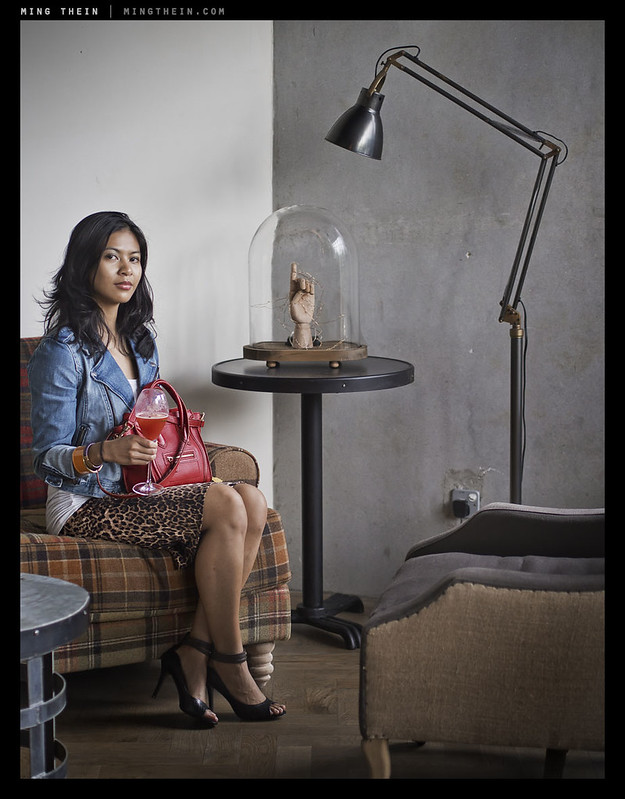
Today’s article is the first of two parts focusing on portraiture and human subjects as the focus of an image. It is not something I’m normally associated with because I rarely choose to show my work here; it doesn’t mean I don’t engage in it for personal reasons (which are usually not shared, obviously) or professional ones (I do have clients whose mainstay subjects are primarily human). Whilst curating images for a recent assignment, I had a couple of little personal epiphanies which I’d like to share with you all.
A question of enjoyment: ‘fun’ cameras
Why do we photograph? For the vast majority of the population, it’s because we want to record or document something. However, if you’re reading this site, I suspect it’s either because you really, really enjoy it, or it’s your job, or perhaps both. And I suspect that even if you do do this for a living, you’d have to have fallen into the former category at some point in time in order to think that it might even have been a slightly worthwhile exercise to undertake the current masochism that is professional photography, over say, banking. I know I did. In fact, I enjoyed photography in the early days (looking back, probably around 2001-2002) to the point it was probably slightly unhealthy and obsessive. But it did provide a creative outlet and set the foundations for today. Bottom line: we shoot because we enjoy it.
This article will be a sort of evolution of the Compact Fast Normal Conundrum…
Process, equipment, creativity, photography and a confession
It is an indisputable fact that photographers are all obsessed with equipment to some degree. Though online forums are perhaps a poor barometer of public opinion because one only visits if you are looking for equipment reviews or spoiling for a fight with a troll, I’ve noticed the same thing here – after running this site for more than three years, the most popular posts are consistently the ones that are equipment reviews, to do with system choices, or hardware. Philosophy comes a very distant second – by a factor of three or more – and then only images, which are dead last. Surely I can’t be the only one thinking this ratio is a little odd, given that the whole purpose of the exercise is to produce images?