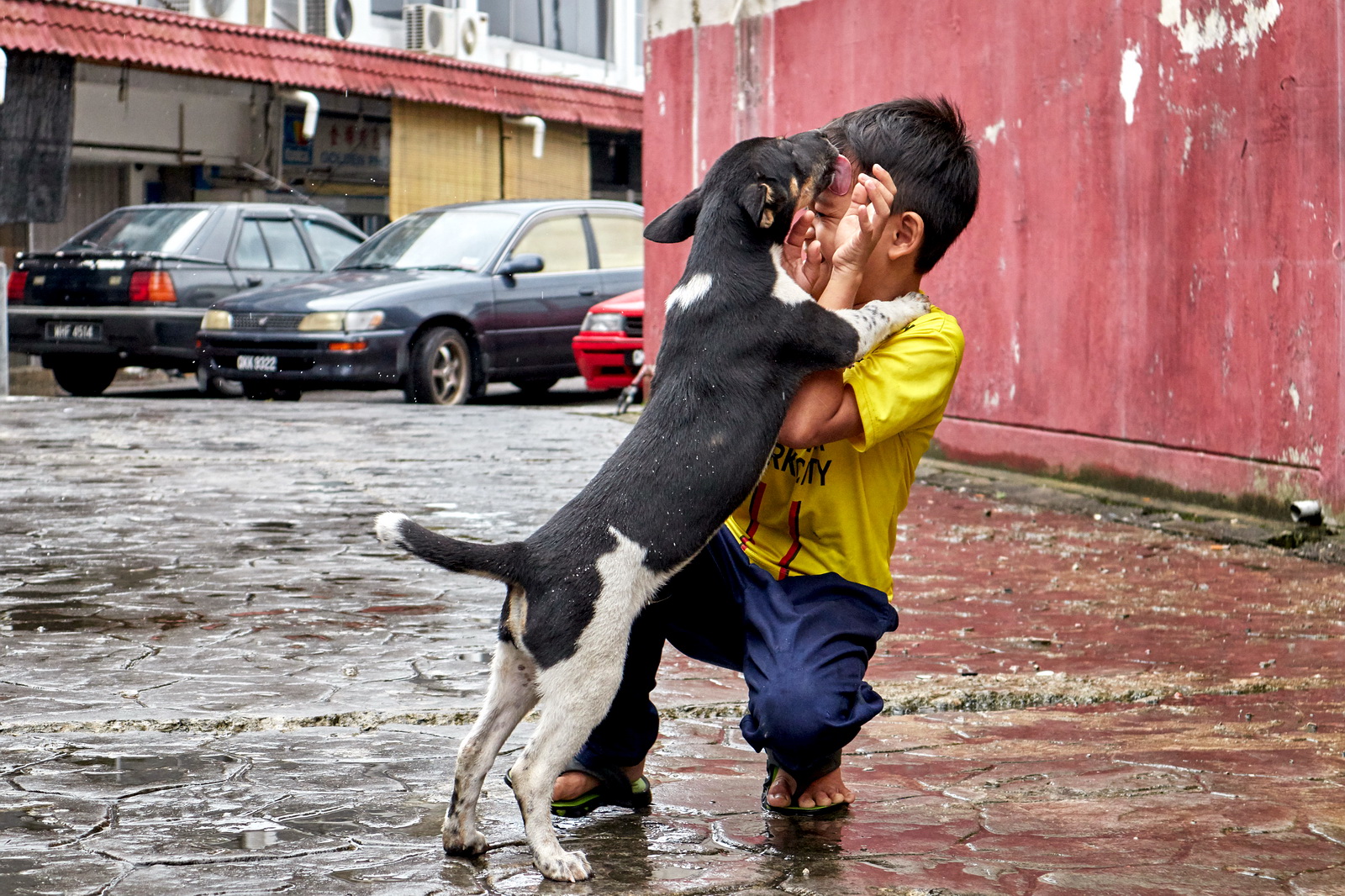
Since my review of the Canon EOS-M6, I’ve had few more days with the camera before having to return it to Canon Malaysia. I brought the camera home to Kuching (in Borneo) for a short weekend trip. I was going back for a collective exhibition featuring local photographers. I managed to find time for some shutter therapy in the midst of my busy schedule – most of this time was spent with my beloved mum or catching up with friends. For these short shutter therapy sessions, I decided to give the Canon M6 another spin.
Photoessay: travels in hard light II
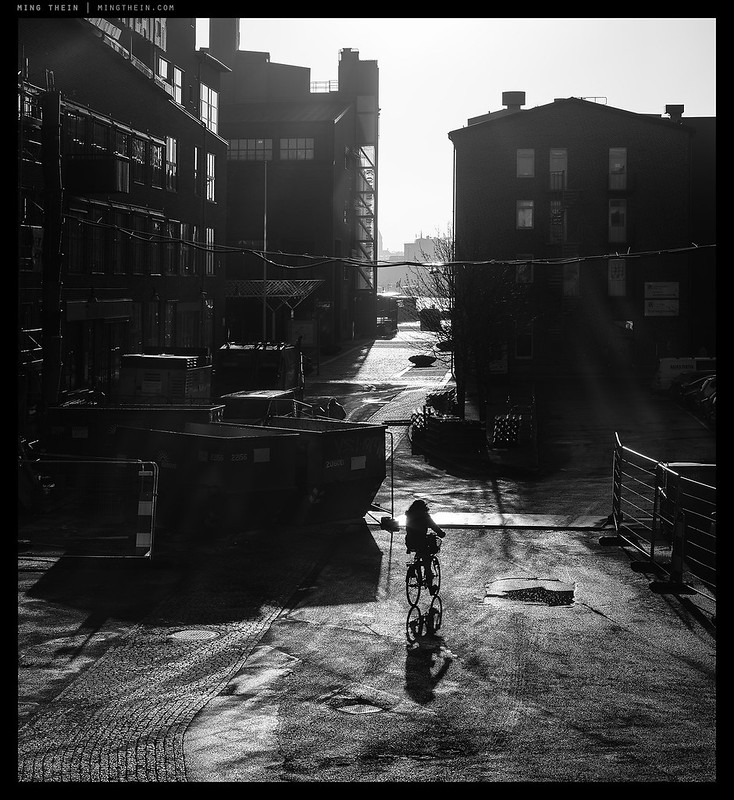
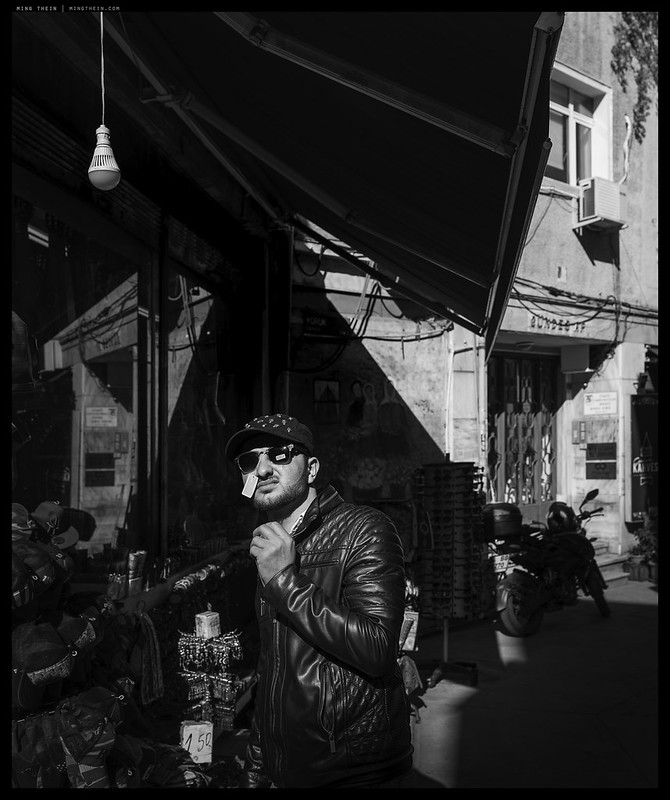
Monochrome, today. The variation of weather in Istanbul can be spectacular; one moment you have brilliant sunshine, and barely 30min later: hail. I suppose such are the joys of a maritime climate. Regardless of weather, Istanbul seems to be one of those places that has realities of so many different eras that it’s almost timeless; the modern overlaps with the ancient in the sort of organic way that can only happen over centuries – millennia, even – of continuity. I was there at the time of the constitutional referendum; there were fears that it might get ugly, but the reality is life would continue as normal – daily ups and downs being relatively minor blips in the grand scheme of things – short period transience and a sort of lack of definition for individuals, and a much slower erosion for the surrounding environment. What holds it together? The framework is left in the shadows, and only when you look closer (at these images, too) is it clear that things are not always as they seem.
This series was shot with a Hasselblad H6D-100c and 100mm. Post processing was completed using the techniques in the weekly workflow and Monochrome Masterclass.
Photoessay: travels in hard light I
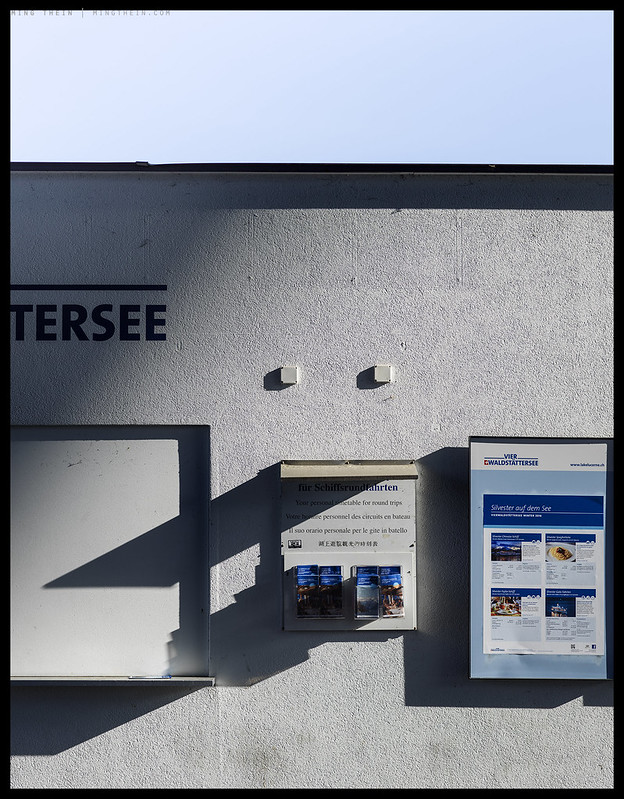
Today’s images are a mix of subjects from around the world that have benefitted from one thing in common: the kind of strongly directional light that makes shadows so solid they seem real. For want of a better term, I’ve always had this feeling of ‘something more’ when encountering this kind of scene: perhaps it’s the mystery of what isn’t revealed; perhaps it’s the transient objects implied by the shadows – and their absence. It takes light at the right angle relative to the subject (some of these were shot early or late in the day, others near noon) and a particularly clear sky for the light to be intense enough to produce that hard black edge. The world somehow seems just that little bit more vivid – whichever city we may be talking about (in this case, Tokyo, Gothenburg, Doha and Lucerne). MT
This series was shot with a Canon 100D and 55-250STM, an X1D-50c and 90mm, and a H6D-100c and 100mm. Post processing was completed using the techniques in the weekly workflow and PS Workflow III.
Review: The 2017 Canon EOS M6
With the release of the Canon EOS-M5/M6, perception towards Canon’s mirrorless system has changed. Both the M5 and M6 use the same APS-C 24 Megapixels image sensor and dual pixel AF system as Canon’s high-end APS-C DSLR, the 77D, Thanks to Canon Malaysia, I have had the new Canon EOS-M6 to shoot with for the past week. I understand that the M6 is not a new camera and has been on the market since April. Some of you may already have one. I am doing this review purely out of curiosity: to find out where the M6 fits in the almost never-ending choice of mirrorless cameras now. [Read more…]
Photoessay: Prague monochromes, part III
On this visit to Prague, I was struck by the feeling that a lot of the people I observed were looking for something: it wasn’t so much a definite journey or objective or quest, but just a general sense that something was missing. Perhaps it was the tour groups that outnumbered the locals, or perhaps it was the subtle shift in the proportions of businesses: set up for and transacting mainly with locals vs. visitors. Don’t get me wrong; I realise that I too am a visitor, but there’s something about the mass hoards that gets my goat. Maybe it’s because they wonder around bovine and gawking and oblivious to consideration of anybody else, or maybe it’s because once you have too many of them – the whole feel of the place changes, and then it no longer becomes the place that motivated you to visit and experience it. I don’t think this is specific to Prague in any way, though I’d always felt the Czechs managed to hold on a little bit longer than some other places. In an odd way, once the balance flips in favour of tourists vs locals, the place feels the same as any other city that caters for tourists – other than the setting. In effect, a very large theme park. What I saw, and tried to capture, was transition. Maybe this is the new normal, everywhere…MT
This series was shot with a Hasselblad H5D-50C, and H6D-50c, various lenses and post processed with The Monochrome Masterclass workflow.
Finding inspiration, redux
Following on from the earlier thoughts on making ‘good enough’ images getting ever harder with increased productivity – the flip side of the coin becomes a question of how we find sufficient inspiration to get over that activation energy threshold*. How do we firstly get inspired enough to get out the camera and attempt to produce something at all, and furthermore – produce something that will satisfy us. In reality, what needs to happen is we must find sufficient motivation to make us want to answer the question of ‘how will the finished image look?’ There are several ways of doing this, I think. And hopefully – if you’ve been on hiatus or feeling photographically jaded, this might help get the camera out again.
*I promise one day I’ll write that long-delayed article on physics and photography.
Photoessay: Scattered
I think of this set of images is a reflection of one’s rather scattered – but oddly consistent – state of mind when you see and grab an image on the way to doing something else. Being a full time photographer, I’m used to focusing 100% of my energy on shooting alone – to the exclusion of everything else. Since going pro in 2012, this is actually the first time in years I’ve actually been capturing a good proportion of my off duty images when photography wasn’t the primary objective of my day or trip. You can’t really turn your photographic eye off, but it feels as though you’re a lot more scattered and rushing to get the shot – even though the total number of photograph opportunities is of course much lower. Conversely, being in the zone really distorts your perception of time, often in both directions – moments stretch out but whole events and sequences land up passing in the blink of an eye. In essence, that’s what I feel like I’m left with here after curation: scattered glimpses of lives that are moving in different frames of reference to your own, momentarily intersecting for just long enough for you to know that you’re not going the same way. MT
Shot with a Hasselblad H6D-100c, 100mm and X1D-50c and 90mm and post processed with the Monochrome Masterclass workflow.
Why GAS might actually turn out to be good for you

One is bad enough. Two is…well, probably a signal that some form of clinical treatment is required. Full disclosure: the second one was supplied as a spare for the Thaipusam video; we didn’t use it.
At the risk of severely contradicting myself, I’m going to offer an alternative point of view to several of my posts from earlier this year (namely, this one on diminishing returns; this one on finding the right camera and moving on; this one on ideal formats for a given creative output). Many of you have pointed out in the comments and subsequent emails etc. that things are not really quite so clear cut; I’ve given this some thought and spent some time rationalising my own equipment journey – especially since from an external standpoint, it might appear that I’m probably the worst offender of all. The conclusion, is of course one of very fine balance – like most things in photography; and like most things creative, a little tension is required to produce not-safe and not-boring results. Here are my thoughts on why…
Photoessay: living Tokyo vignettes
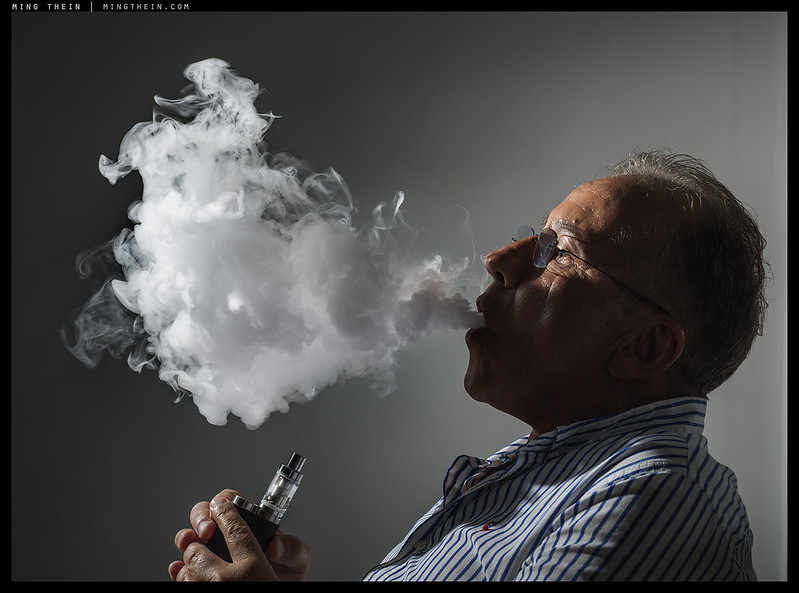
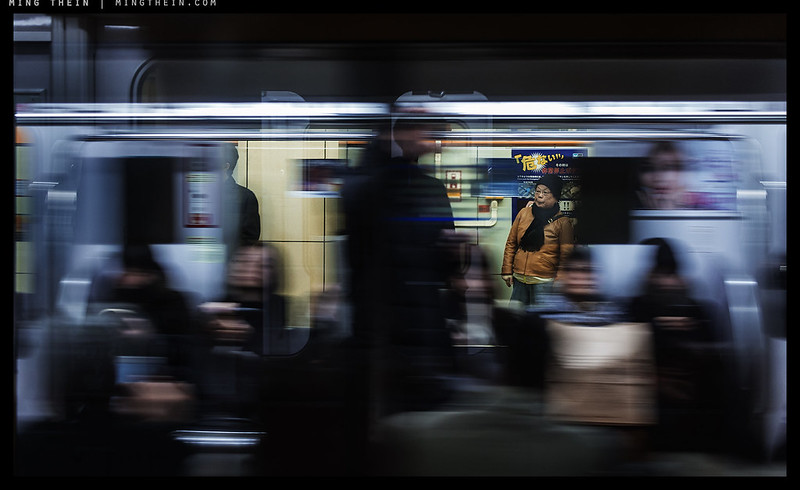
The choice of title is a deliberate, non static one: the suggestion of motion in each of these images contributes to the feeling that we are viewing something transient, temporal and busy. Despite the density and size of the population, Tokyo somehow can still manage to feel quiet and isolated and times – I put this down to having something to do with the very ordered nature of society and the existence of very formal structures/expectations that mean nobody is in Ginza before about 11am since nothing is open, or Maronouchi is rather dead after 9pm and on weekends as everybody has gone home. It’s possible to make images that make the place feel quite cold and inhuman even though most of the time, this couldn’t be further form the truth. This set looks for a little chaos and humanity. You’ll probably also notice it’s quite cinematic, despite being mostly shot with relatively slow lenses. MT
This series was shot with a Canon 100D, 24STM and 55-250STM lenses, an X1D-50c and 90mm, and a H6D-100c and 100mm. Post processing was completed using the techniques in the weekly workflow and PS Workflow III. Travel to Tokyo vicariously with How To See Ep.2: Tokyo, learn to be stealthy with S1: Street Photography and see how to capture the essence of a location with T1: Travel Photography.
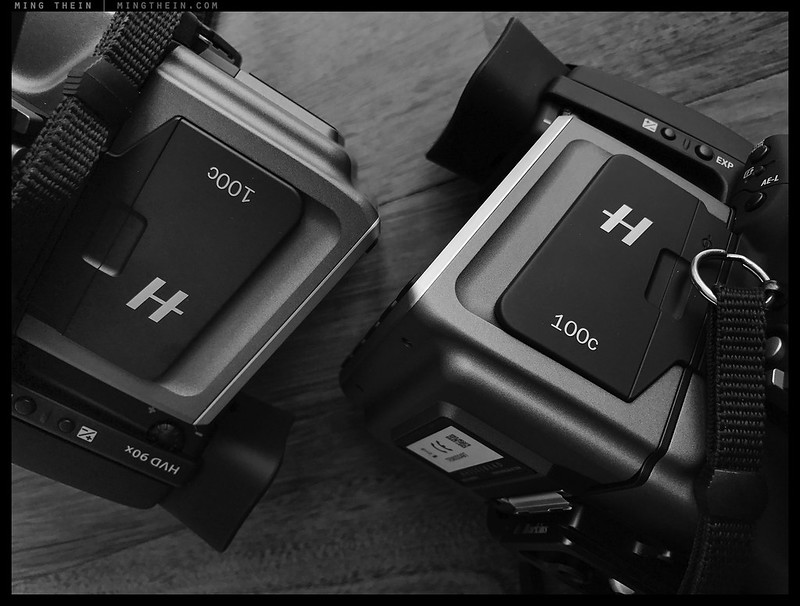
Hasselblad is hiring: Creative Coordinator
We’re looking to recruit another photographer to serve a couple of roles: most importantly, to engage with the photographic community via social media and other outreach, and to shape the way Hasselblad presents new products and creative ideas going forward. It’s an opportunity to conceive and produce unconventional campaigns together with the rest of the team and the ambassador pool: we have the paradox of producing the tools, but also needing to provide some inspiration on how to use them. In addition, it isn’t limited to just marketing and community engagement – the role is flexible and could span everything from product development to market strategy, and therefore suited to somebody with an entrepreneurial bent. After all, a photographer’s creative needs are best understood by another photographer.
Personally, I believe that the best candidates are unlikely to be found via conventional recruitment channels or with ‘typical’ marketing or communications-type CVs; I thought it would therefore be an interesting experiment to push this one back to the community to find the right passionate enthusiast who’s most importantly already a photographer. Precisely because the role might suit a very wide range of candidates, we’ve deliberately left the requirements somewhat open ended: the most important thing will be a convincing reason why you’re the right person for the job (and that’s not necessarily qualification-based). You’ll also be interacting with me quite a lot in your day to day work. The position is to be based in either Gothenburg, Sweden or Shenzhen, China, and salary is negotiable.
Further information and details on how to apply can be found here on the Hasselblad website. MT