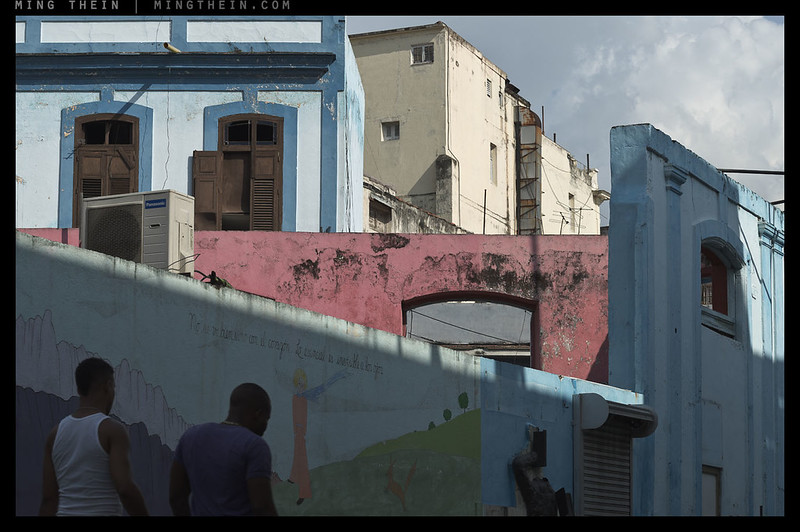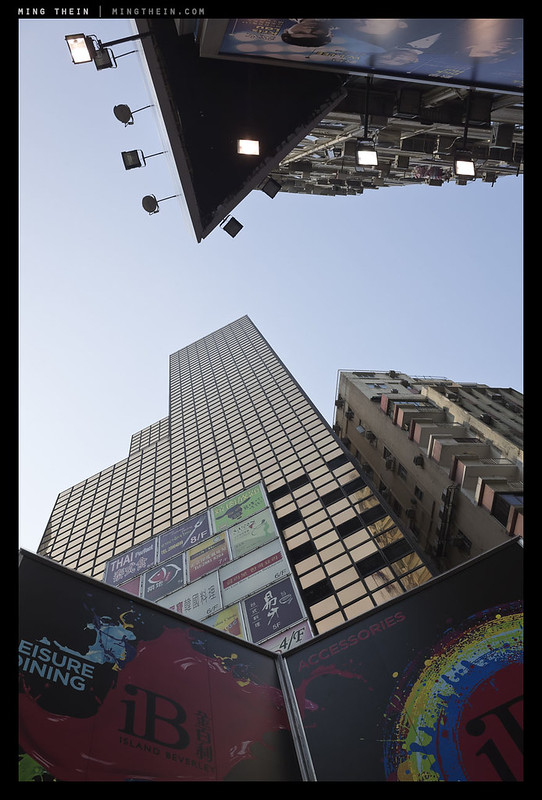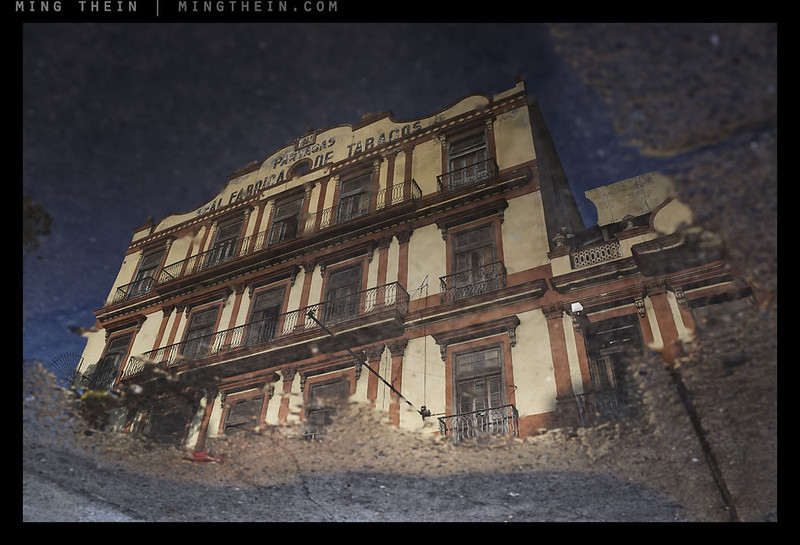
Havana’s buildings are a mix of a bit of everything: colonial spanish, modern, neoclassical, Soviet brutalist concrete and a whole bunch of other things I can’t even begin to identify. All I know is that the visual contrasts are extreme, and the range of textures quite sublime – especially in that wonderfully strong and directional Caribbean light. How could I resist photographing the buildings – more than the cars?
The difference between photography and most other art forms
I’ve struggled a bit for a title to today’s essay. Through the course of my investigation into other forms of art – perhaps investigation is a bit too strong a word; meandering or exploration is probably closer – I’ve noticed that photography stands apart for two reasons: perception, and origin. They’re really one and the same if you dig a bit deeper, and this also applies to a lesser extent to its derivatives – film/ video, mixed media etc. I suspect I may open a can of worms with this piece, but I’m also hoping it’s going to provoke some interesting discussion below the line in the manner of some of the classic posts of old…
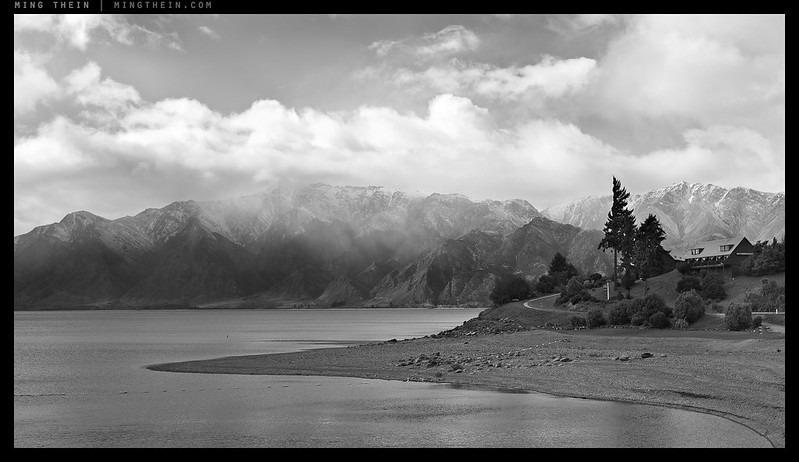
Photoessay: Monochrome landscapes from Queenstown
As you might have gathered, Queenstown turned into a very landscape-photography oriented photography trip; the colors of the landscape were magical, but the variation in light and contrast was even more so – naturally lending itself to fantastic black and white images. Since it was winter, the sun traces an arc across the sky but never shines directly downwards from above – the upshot of this is you can shoot at all times of day. Naturally, I took advantage of it. I drove, stopped where the light arrested me, shot, and moved on. And on one day, spent most of the afternoon in the Arrowtown River delta – formerly the site of the Queenstown gold rush, but now the the home of some pretty spectacular trees – and a riot of colour that will be the subject of a future photoessay. Nevertheless, I felt black and white suited the subject matter quite well, as the trees in winter have this stark beauty to them that I felt was best captured without that sense of ‘life’ that colour imbues.
A photographic manifesto
I believe it’s very important to have a sense of purpose as a photographer. If it’s not clear exactly why you’re photographing, or what the aim of your output is, you run the risk of not only making weak images, but not knowing they’re weak, or even worse, not being able to step up and move on. However, only you can decide exactly what that purpose or aim is; and in the past couple of years since starting this site, I’ve realized two things: firstly, you’re going to evolve, so don’t be afraid to say ‘my objective has changed’; secondly, you’re not going to satisfy everybody (and some of those people are bound to be extremely rude and vocal about it, but really have nothing more than hot air). The latter is easy to rationalise but difficult to accept if you care about your work.
Photoessay: The Dreamscape Project
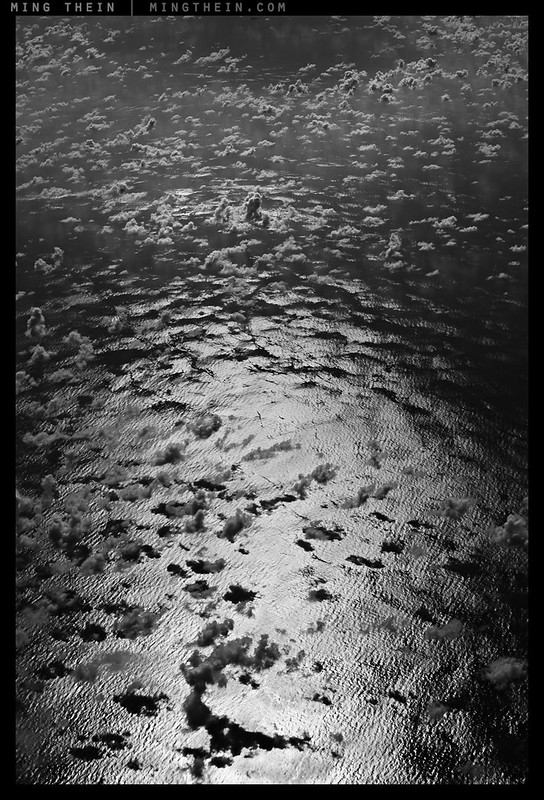
Sometimes – quite frequently, actually – I fin myself on an aircraft with not very much to do. I fly often enough and spend enough time in the air that I’m one of those people who will bother to try and find out the flight route in advance and pick the seat most conducive to photography on arrival or departure – assuming of course there isn’t an engine or wing in the way*. I’ve gotten some very satisfying images this way.
*Frequent travelers will know there’s always a tradeoff: the front of economy is usually blocked; the rear usually is noisy and has a lot of traffic en-route to galleys and toilets, and the view isn’t always clear because of the convection visible due to the engine exhaust heat. Or, you fly up front and land up bankrupt.
Photoessay: On the slopes, Queenstown
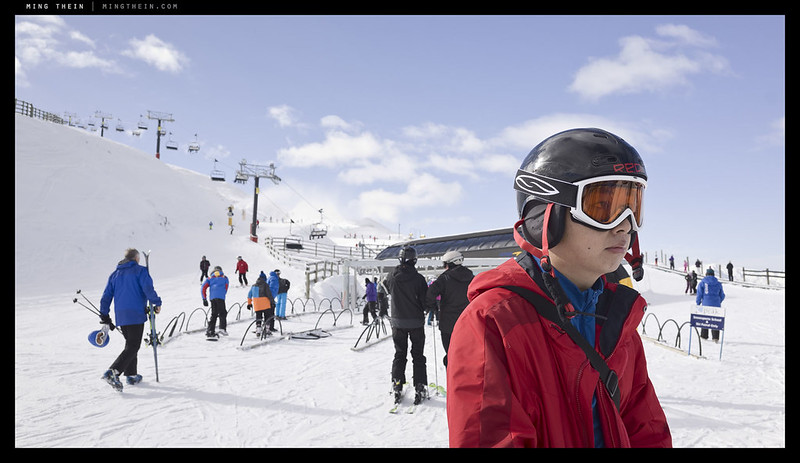
If you think about it, skiing must be one of the most pointless activities on earth – right next to motor racing. Both involve completing the same circuit (or piste) repeatedly. Sometimes with the objective of speed, sometimes with no objective at all. I’ve tried to figure out why we find it enjoyable, but honestly have no idea – perhaps it’s both the necessity of focusing on something to the exclusion of everything else, and the fact that it’s different enough from our normal activities that other parts of brains are stimulated. I remember having to work very hard at the basics before everything ‘clicks’ – and then you start moving at a much more intuitive level. I suppose it’s a sort of meditation, not unlike photography. Today’s photoessay is a series I shot at Coronet Peak, Queenstown, New Zealand a couple of months ago whilst taking a break from developing my landscape photography. I’m the sort of skier who learns off piste so he can fins something else to shoot; this time I used a Manfrotto Lino Pro field jacket to hold the gear – it’ll take a 645Z/55mm in one padded pocket, and a D810/Otus in the other. Enjoy! MT
Series shot with a Ricoh GR, Nikon D810 and Zeiss 1.4/85 Otus.
Output objectives and creative development
I was discussing printmaking with one of the regulars readers of this site recently when a thought struck me: one of the biggest turning points for me personally was when I started shooting with an eventual printability objective for all of my images. This happened around early 2012, before which I’d felt I was stagnating creatively somewhat – perhaps partially due to day job commitments (this was before I turned to photography full time) and partially because well, I didn’t have an output objective.
FD Photoessay: snippets of daily life
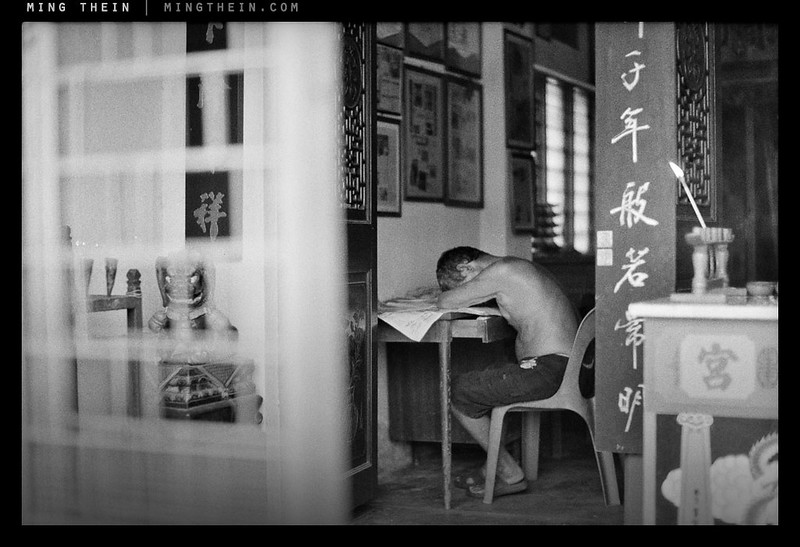
Some images today from a few older rolls of film I found and recently processed; they don’t really have a theme other than some light documentary of my life; I don’t pretend they are significant to anybody – not even me – I suppose it’s more like a visual stream of consciousness than anything. And they just happened to have been shot on film – Acros 100 in an F2 Titan and the 58/1.2 Noct-Nikkor, to be precise.
In pursuit of clarity, redux

Do you feel the warmth of the afternoon?
Some months ago, I wrote about the idea of clarity in an image: the experience of being able to see through the picture and beyond the facsimile representation to the scene or subject in itself; it’s akin to breaking the fourth wall in cinema, but In the opposite direction. Ironically, the ability for a still photograph to do this is very much related to technology: we need the hardware and technical chops to be able to make it look as though the hardware is unimportant.
Photoessay: Singapore color

Singapore: a neatly organized life
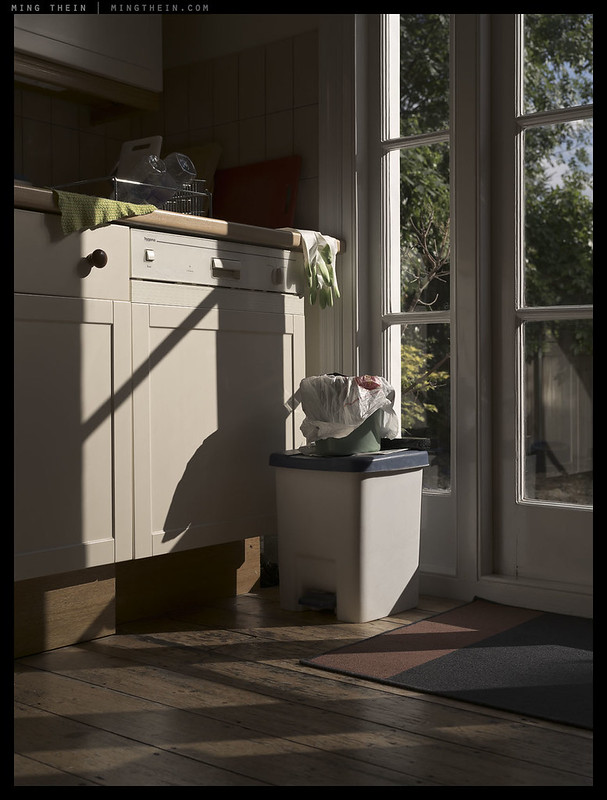
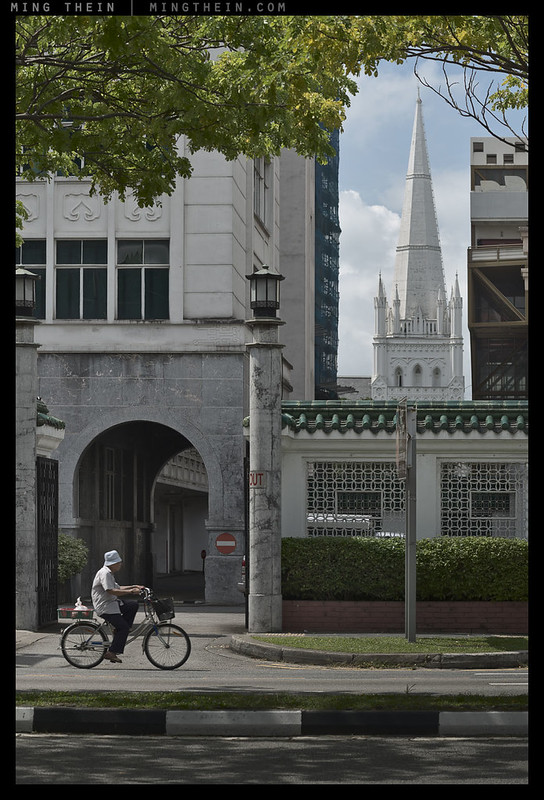
Today’s photoessay has no theme beyond the observation of life as a flaneur in Singapore; in this case during in-between time from a teaching assignment a couple of months ago. You’ll notice this set of images is broken up into two distinct styles; the first series is more along the lines of what I do now – humans in environment; life in context; ‘people in sauce’. It is visually flatter, a little more structured, painterly, and perhaps almost aperspective in some ways. I like to think of the presentation as something akin to a more dynamic version of the traditional still life. The second set is unashamedly cinematic.