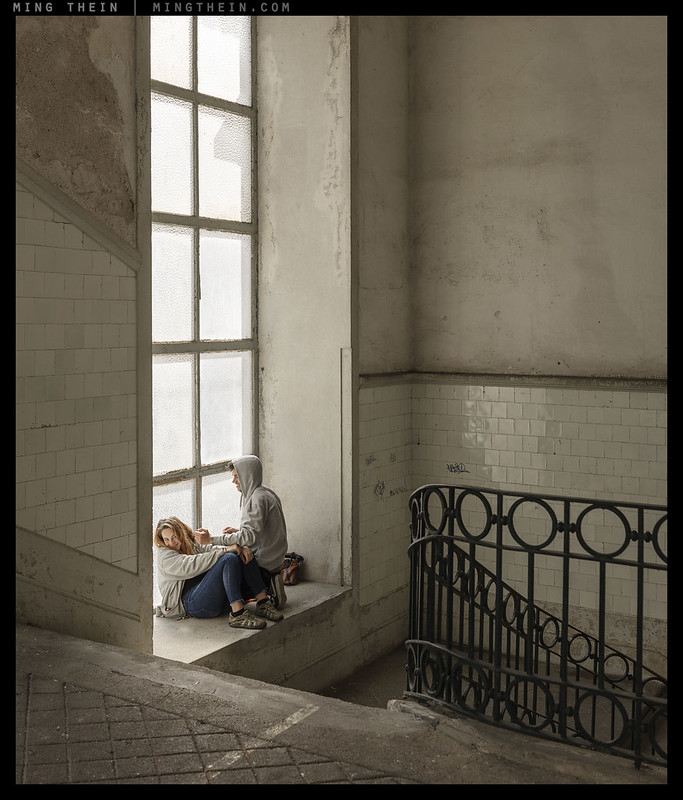
Why most images are compromised (or, whither the decisive moment)

H51-B0005761 copy

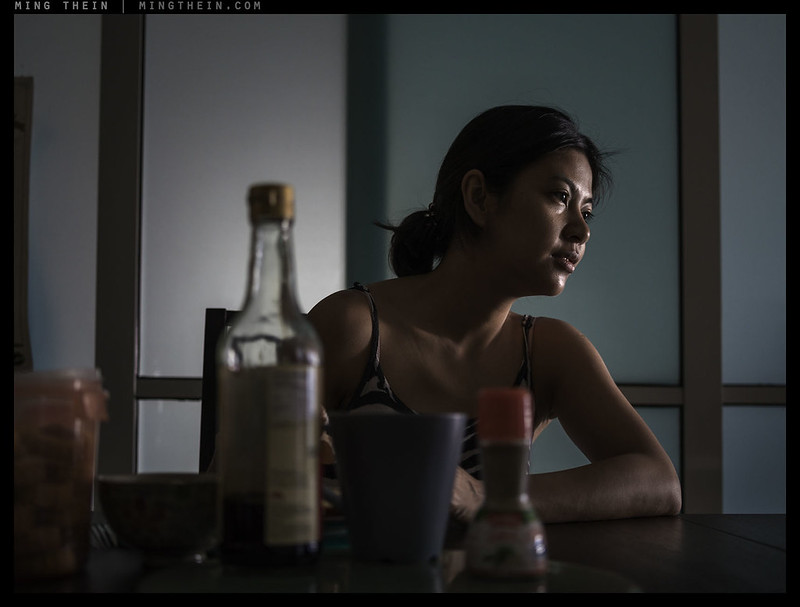
A photograph is an observation of a scene at a given moment in time. It’s an effectively instantaneous snapshot of the state of a scene or person or other subject, given the relative rate of change of those subjects. If we extend the duration of observation – i.e. with a long shutter speed – we might see some hints at that change in the form of motion blur, or eventually, averaging. If we get lucky, or observe for a long period of time, we might eventually be able to capture an interesting change or temporary state of the system; however, this assumes two further things. Firstly, that we can differentiate what is ‘interesting’ and have a good benchmark of what to look for; secondly, that we are aware and responsive enough to capture it. I think we can already see why there are some serious challenges here.
[Read more…]

The more you shoot, the harder it gets

H51-B0005367 copy

I’ll admit first off that this sentence is both somewhat disingenuous and incomplete: the more you shoot, the harder it gets to make something you’re happy with. Still confused? How about now: the more you shoot seriously, the harder it gets to make something you’re happy with. No, it’s not clickbait: it’s a personal observation from my own photography. And I think it’s both a good thing and a good barometer of whether the work you’re producing is really for you, or for somebody else. Knowing the normal demographics of this audience, the majority of readers are producing work purely for themselves – not for a client or crowd. (The actual/personal reasons for the production of images may be something else entirely, of course; none of us are beyond the siren’s lure of social validation and fame.)

[Read more…]

How social media has changed the way images are viewed

2622C22600000578-0-image-a-32_1425001827044
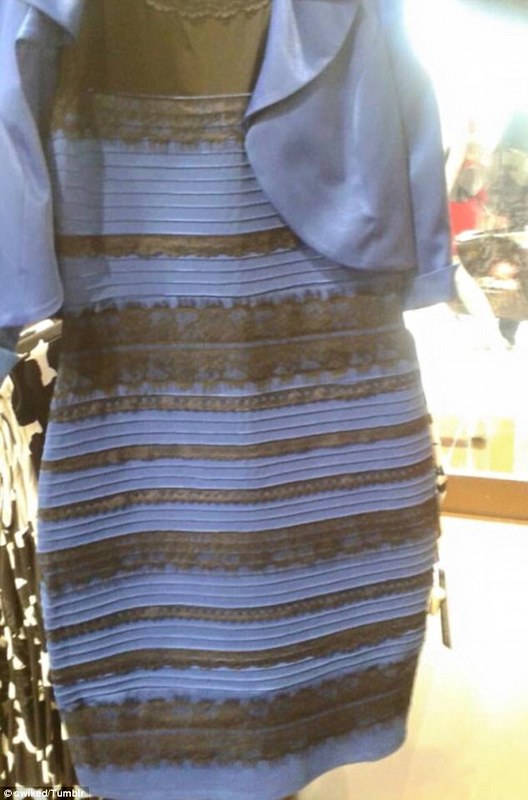
That infamous dress. Credit to whoever it was who originally shot the image.

It seems that the more images are in the publicly visible, the less time and attention any one individual image receives on average. This makes sense, given that we’re continually being bombarded by media and there’s a finite amount of time for consuming that media. On the other hand, we’ve got a disproportionate amount of attention being given to certain images – that blue/white/gold dress meme above being a good example*. These images are not necessarily deserving of that disproportionate attention, either. I have a theory about both why this is, and why despite the world becoming an even more visual place – overall quality of images has gone down, and with it the ability to distinguish between chocolate and pig poo.

[Read more…]

Spouses and photography

AB0000036 copy

I recently had a conversation with a reader with a question that honestly surprised me: “How do I hide my photography obsession from my wife?” I have to admit this one stumped me for a while: I’ve never hidden it from Nadiah, nor do I think I could even if I tried to – partially because I’m a really bad liar, and partially because for as long as she’s known me, even in corporate – I’ve always been a photographer first and foremost. But it does bring up some interesting thoughts around photography and spouses…

[Read more…]

The concept of ‘visual weight’

H51-B0007349 copy
Heavy, but with light inside bits. Translation: transparency

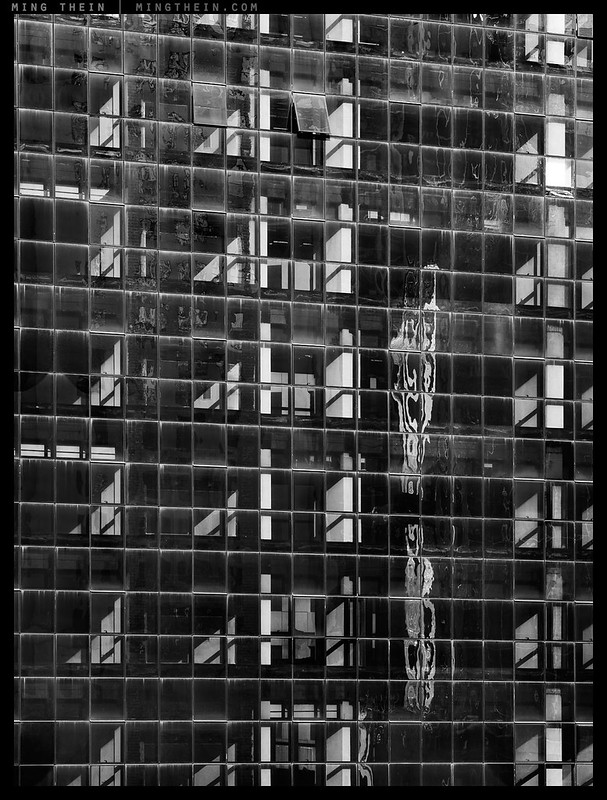
We acknowledge that every medium of expression has its strengths and limitations relative to others. Yet our basis for discussion and understanding of concepts and ideas is very much a written/spoken language-based one, this remains our benchmark – more so when the concepts become more complex and less intuitive – or the opposite, so simple and basic they’re entirely intuitive and not at all logical. There are of course severe limitations of language when it comes to describing the visual properties of expression and composition, yet it’s usually easy for us to see when something isn’t quite right. Why, how, and what do proportions, weight, balance, composition and aesthetics have to do with each other? Is there a somewhat more objective way to handle these concepts? I’m not certain, but today were going to try.

[Read more…]

Repost: Differences between eye and camera: practical implications

_G008000 copy
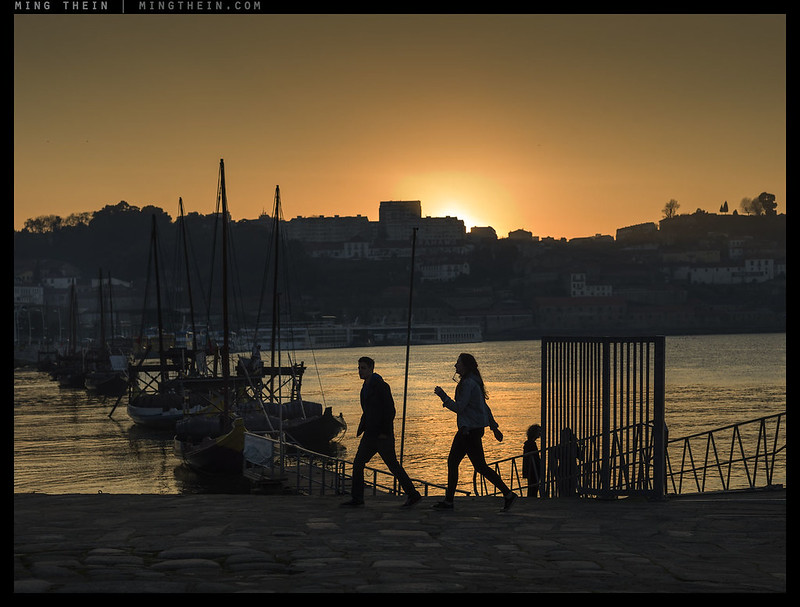
Why is it so difficult to get sunsets to appear ‘right’? Read on for the answer.

Following the last two articles on rules of vision, it seemed very appropriate to finish the mini-series with this little reminder from 18 months ago…

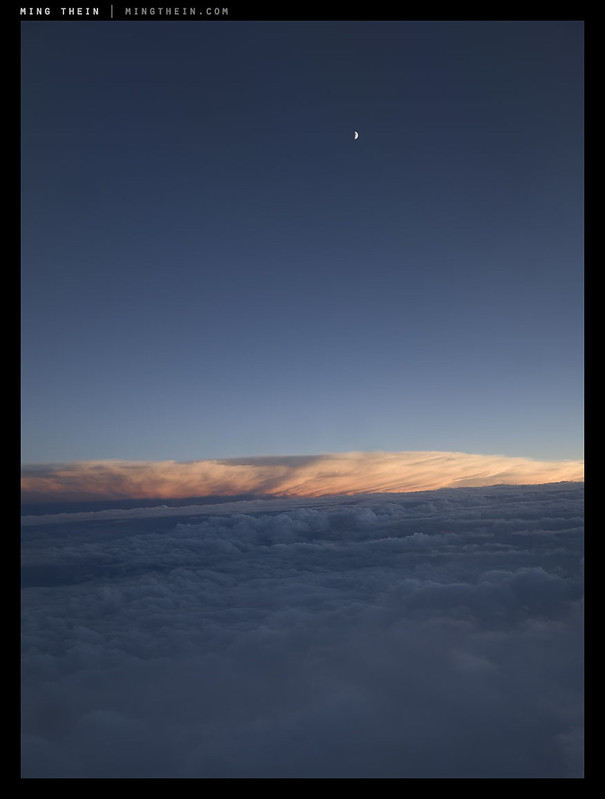
Many photographs do not work. Subsequently, we find out they do not work because there is a difference between what you saw and what your audience sees in the image. Sometimes this comes down to lack of skill in translating an idea, but often it’s more subtle than that: the camera doesn’t see what we see, and we need to be both highly aware of that and how to compensate for it. Yesterday’s photoessay is a good example: it’s no big deal to make a monochrome image, but our eyes only perceive a lack of color under very exceptional circumstances. Yet it’s these differences that make some images stand out, and others not really ‘work’.

[Read more…]

Rules of vision – part II

H51-B0003481 copy
Upside down, or?

Continued from part I – hopefully the first part has had time to settle and digest; let us press on…

We draw temporal inferences from direction of shadows
The length and direction of shadows also suggests time of day: this is one of the indelible subconscious rules dating back to the very beginning. It is a consequence of observing sunrises and sunsets and being able to judge approaching darkness accordingly, by both overall luminance of a scene and the shadows cast by the sun. Sadly, for a lot of us, this is somewhat academic as there are far too many offices with hours that extend beyond daylight and further have no natural light whatsoever…

[Read more…]

Rules of vision (or, things we can’t help seeing) – part I

H51-B0003019 copy
Did you notice the sign above the man’s head? What about the house number? Or what appears to be a Cuban flag in the doorway? Or was the moving man the first ‘anchor’?

Regular readers will know that I hate arbitrary maxims labelled as ‘photographic’ rules simply because there is no such thing as a ‘universal scene’ or universal set of parameters for every image. Every composition is different, and every creative intention is different, which means the whole premise of there being a fixed set of laws that make a ‘good’ image or ‘image that works’ can only be nonsense. However, I do think there are some fundamental principles of human vision – and consequently psychological response to elements in an image – that we cannot ignore since they directly influence the response of our audience to the ideas we are trying to present. That is what I wish to address today: what are the autonomous/ subconscious/ reflex/ automatic – pick your preferred term – visual responses that we should be aware of and seek to utilise when we compose an image? Think of this post as the predecessor to The Four Things: it’s the underlying reason why some of the Things have to be the way they are.

[Read more…]

Psychologist, philosopher, tinker, spy

16_8A15558 virtual banking copy

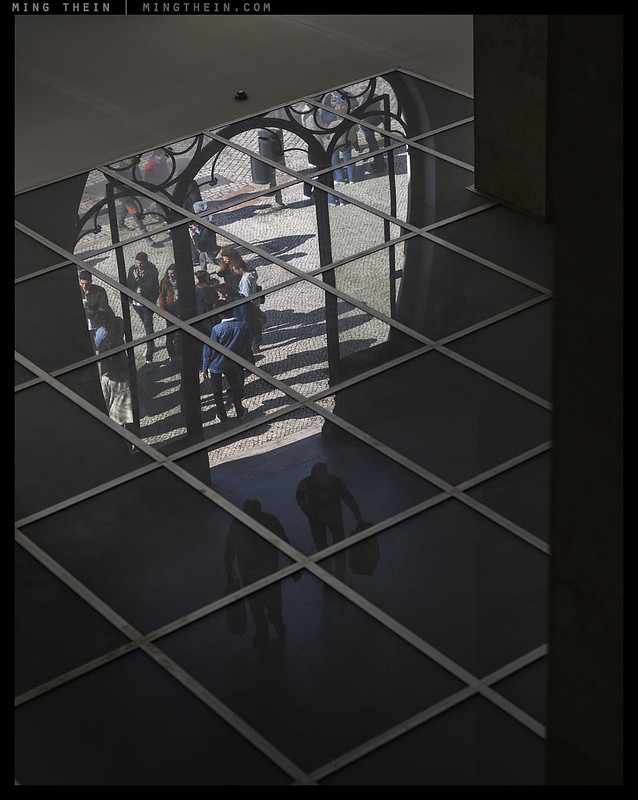
Borrowing the title reference from the John le Carre novel and (later) movie Tinker Tailor Soldier Spy – I think nicely encapsulates the multitude of hats the modern photographer must be comfortable wearing in order to be a producer of compelling images. I’ve said before that photography is both a dialog between photographer and audience and that the process of photographing is really an exercise in curating and excluding elements of the world according to one’s own personal biases, then sharing the results with an audience such that they might be interpreted in the desired way. The technical process of capture, and the creative one of composition, are no more than enablers to that translation: the capture allows recording and sharing; composition is arrangement with the intention of direction and influence over the audience. The whole photographic process – vision, composition, capture, presentation, viewing – is really simultaneously as much and as little as the sharing of an idea inspired by already extant objects.

[Read more…]

Off topic: credibility

I’ve recently been accused by several people of ‘not being objective’ and ‘losing credibility’ since representing a brand, and I’d like to address those critics today. Firstly, I don’t get paid for doing so. I enjoy a somewhat higher level of support and some loan equipment, but I still have to buy a good proportion of my own hardware. Secondly, the whole of photography is subjective in itself – equipment is only fit for purpose or not, there is no ‘better’ or ‘worse’ since no two people shoot the same way or same subjects. Sure, we can do quantitative measurement – but as most people (correctly) point out, there’s more to it than numbers. Thirdly, if the only thing you associate me with is equipment reviews, then I breathe a sigh of relief: you might be missing out on 90% of my site, but the gear-related questions and emails I don’t have to answer leave me time to focus on making pictures and the philosophy of photography. Lastly, the philosophy of photography and image-making and human psychological response has nothing whatsoever to do with hardware beyond its necessity as a tool for achieving a certain expression – you cannot have a compressed perspective with a wide angle, but two 500mm lenses are going to give you the same perspective regardless of pedigree.

[Read more…]