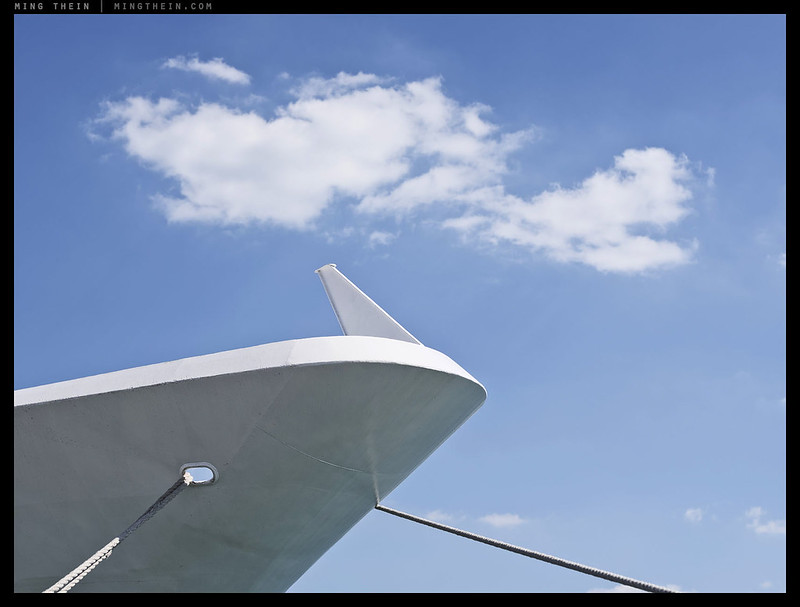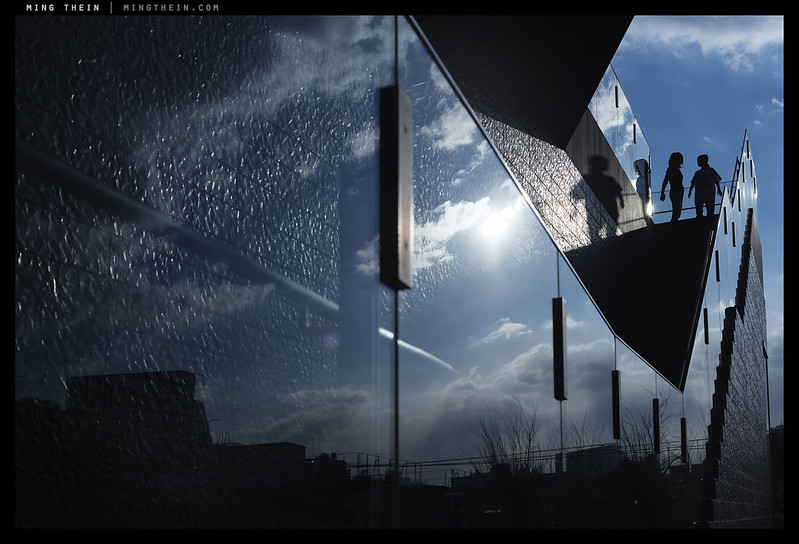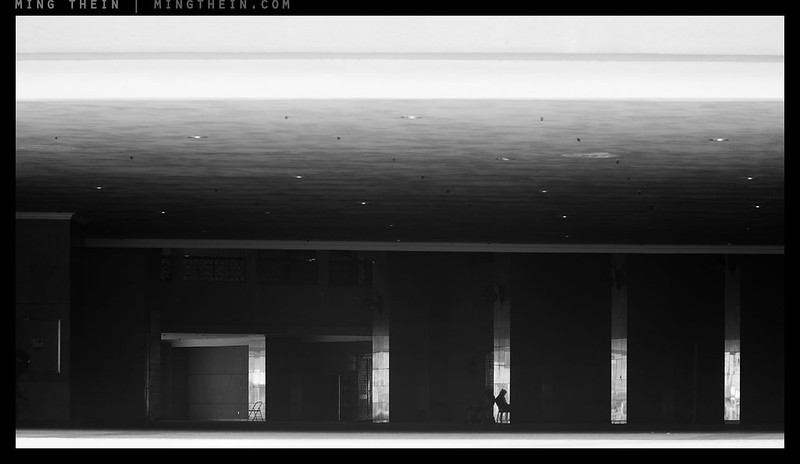
In a conversation, sometimes what is left explicitly unsaid reveals just as much as what is – and the same is true in photography. Whilst much fuss is made over extended dynamic range, highlight and shadow recoverability and similar technical aspects, the question of what we’re going to do with all of this latitude is seldom addressed. In a practical sense, there is of course the desire to replicate the tonal range of the human eye especially for very literal images like most landscapes, but to move beyond that requires a bit more conscious consideration of the end intention.
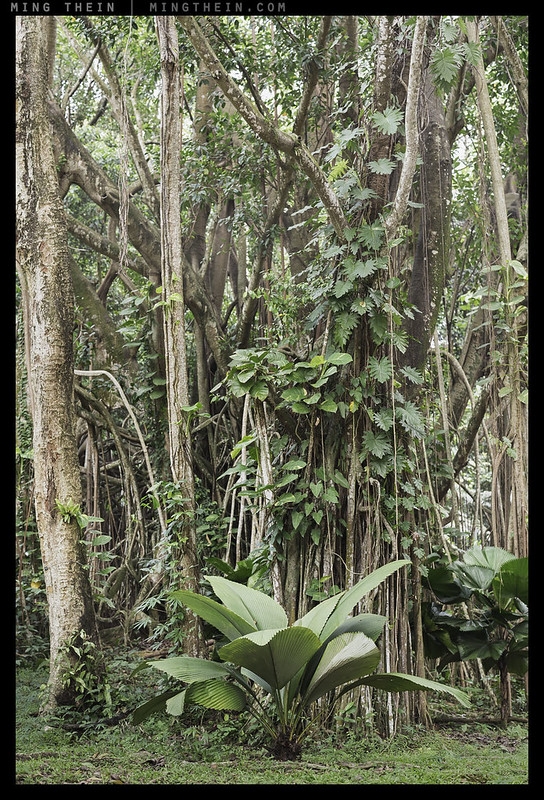
Photoessay: natural vignettes
Even though humans have become increasingly urbanised and there seems to be an overwhelming desire to ‘move to the city’, we still need the occasional natural interlude to remind us we aren’t robots of capitalism*. If anything, I find that natural elements stand out more by their relative absence; the curious thing is everything you see in this set was shot either in town or within a short distance of civilisation. They are the results of several expeditions with no more solid objective than wander out with a camera and see what falls out of it. Photography with and objective helps one to focus and curate pre-capture; though I find this still has to be balanced out with occasional photography with no objective to both relax and open up opportunities for creative experimentation. MT *Though the constant hunt for the camera unicorn is quite another matter entirely. This set was shot with various hardware that might perhaps have seemed appropriate at the time, but was later proven otherwise… [Read more…]
Photoessay: Observer and observed
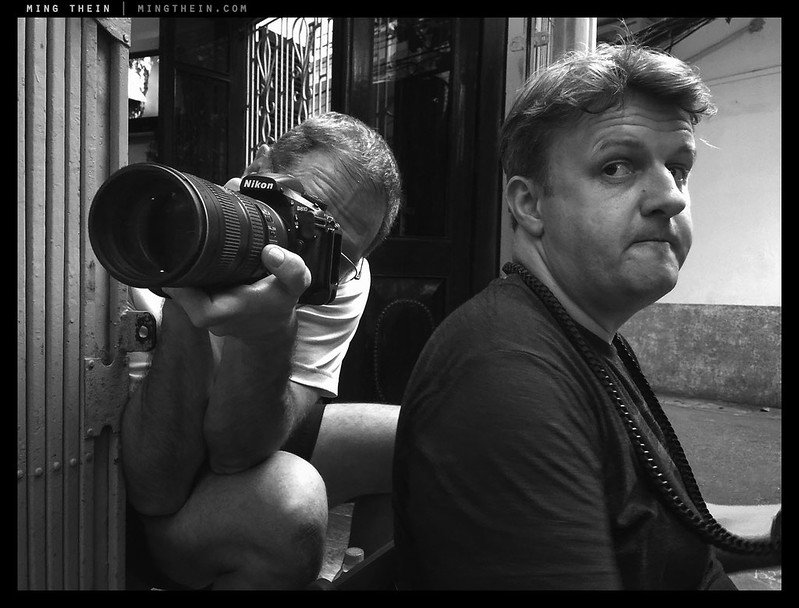
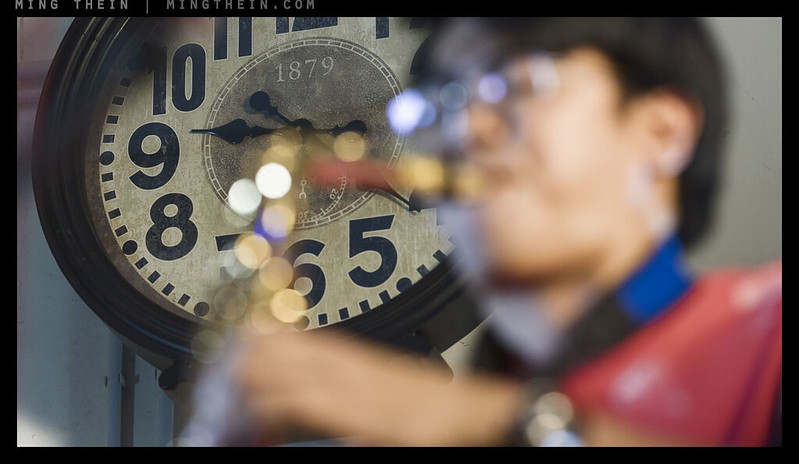
Hunter and spotter – from the Hanoi Cinematic Masterclass
What I’ve always found amazing is how completely inconspicuous and transparent mobile phones are. They’ve become such an ubiquitous part of daily life that they’re not noticed; like hats in the 20s and 30s. Not having one is the exception. Surprisingly, I’ve also found that aiming your phone at something to take a picture – complete with awkward stance, delicate ‘I’m-going-to-drop-this-thing-becuase-the-ergonomics-are-bad’ finger poses and device held at arms’ length – is completely ignored even though it’s a lot more obvious than using a camera discretely. Have we learned to filter it out during the few short years of mobile photography? Evidently so. I’ve gone from seeing a cameraphone as completely useless to a curiosity and masochistic challenge to an interestingly stealthy way of observing the world: it has properties that cannot be replicated by other cameras, which in turn result in fairly unique images. First of course is ubiquity and stealth; second is silence; third are generally fast/intuitive interfaces (tap to focus, expose AND shoot!). You can get in close and not be seen. Or be seen and nobody feels intimidated, at least in my experience. I find this odd since you’re far more likely to post on FB with your iPhone than your 4×5… In any case, I present today a series of what I’d think of as observations – both as observer, and observed, and an observer observing the observers. Enjoy. MT
This series was shot with an iPhone 6 Plus and processed using the Monochrome Masterclass workflow. [Read more…]
Ambiguity
I believe good photographs can be divided into two camps: the literal and the ambiguous. (There’s a third kind, which you cannot really classify into either because they are lacking something fundamental like a clear subject – these land up as being ambiguous by default, but not intentionally.) From an interpretative/ artistic standpoint, a photograph is perhaps the most literal of all art forms; assuming minimal postprocessing, the translation between reality and finished interpretation is predictable and consistent across all subjects and capture conditions. The resultant image has to obey the laws of physics, after all – and these are generally quite consistent. But then how can we use ambiguity to our advantage to make a stronger image?
Photoessay: Monochrome life in Venice
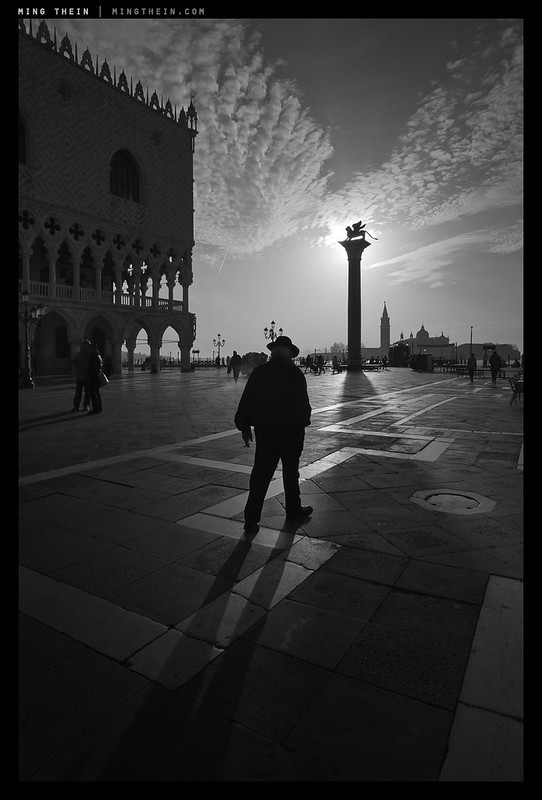
Venice in winter is grey, with occasional Canaletto skies when the clear window happens to coincide with sunset. But for the most part, light is meagre but nicely angled. Life continues as normal for the inhabitants and tourists, though; in fact, it’s getting increasingly more difficult to spot a local at all; they’re a minority in their own city, which is a little sad. The unifying theme throughout these images is that with the exception of one or two, all of the protagonists are locals. They’re a little bit more elegant, don’t carry backpacks or cameras, and walk with purpose rather than dissembly – here’s to the Venetians.
This series was shot during the Venice Masterclass with a Ricoh GR, Pentax 645Z, 55/2.8 and 150/3.5 lenses, and post processed mostly using the low key and balanced workflows in The Monochrome Masterclass.
Last exhibition of 2015: Un/natural, with Stephen King

Stormcloud
I’m pleased to present my final exhibition of 2015: ‘Un/natural’, a joint show with one of my students – Stephen King*. It runs from 5 December 2015 to 9 January 2-16 at Alisan Fine Arts, Hong Kong. This follows ‘Connection’ at the Hong Kong Arts Center in June, and ‘The Idea of Man’ at the Rangefinder Gallery in Chicago last month in October.
You might have already guessed from the title image that this is going to be something very different from my normal work.
Photoessay: Motorcycle life, Hanoi
Motorcycles are a core part of Vietnamese life – transport, lounge, freedom, place of work, revenue generator – to name just a few functions. It is impossible to go anywhere in Hanoi without having to avoid one, or them avoid you. They are both subject and context and ubiquitous foreground. It amazes me every time that there aren’t more road traffic accidents (but then again, they don’t move that fast) and that anybody can find their bike in the massive ranks after leaving it there for more than a few hours – the ‘backspace’ might well change quite markedly after that time as people depart and arrive.
But that does bring us back to the core function of the bike: to serve the people. It was once postulated that if aliens came from another planet and observed earth, they might well assume cars to be the intelligent life form and us merely parasites – the same is true for motorcycles. We must therefore also not forget whom they are meant to serve…
This series was shot with a Canon 5DSR and Zeiss 1.4/85 Otus or an Olympus E-M5 II and Zeiss 1.4/35 Distagon ZM. [Read more…]
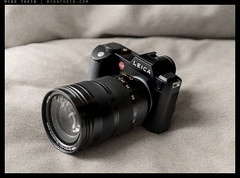
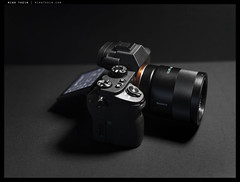
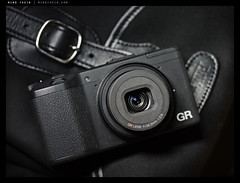
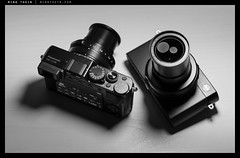
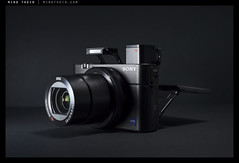
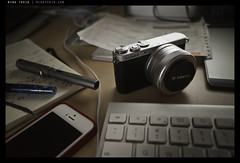
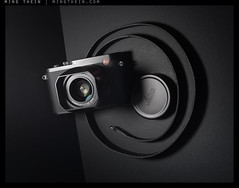
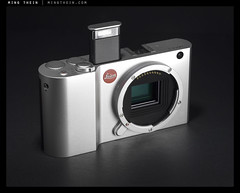
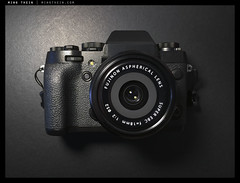
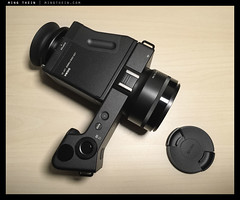
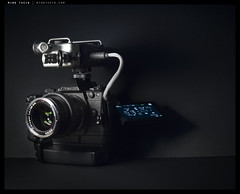
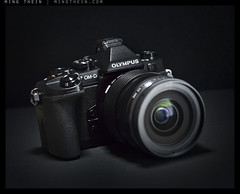
Close, but no cigar: how to design mirrorless right


Too large/expensive; too slow and unresponsive, power hungry; no finder or IS


Limited sensor resolution; overambitious image quality and fragile feel; too many steps to get shooting


Fixed lens; great UI with terrible ergonomics; classical controls don’t work for digital, sensor limits


Ergonomic and workflow challenges; IQ limitations from sensor size; needed two years to fix FW
And this is barely half of the mirrorless cameras I’ve used and reviewed on this site in the last couple of years. I still have not found a complete replacement for the DSLR, and I suspect there are many other photographers in the same situation. It isn’t for want of trying or stubbornness; it’s because the product simply does not exist. We’re not asking for the unicorn here, either: there are ergonomic/UI/UX/engineering solutions that have already been implemented and received well in other cameras – just not in the same one. And to clarify (since judging by email and comments, many are missing the point): this post is not to complain mirrorless isn’t a DSLR. It’s recognising that mirrorless is the future for so many reasons – but we are still suffering from stupid design that has already been solved. All of these problems beg the question: just how difficult is it to get it right?
Photoessay: everyday abstraction
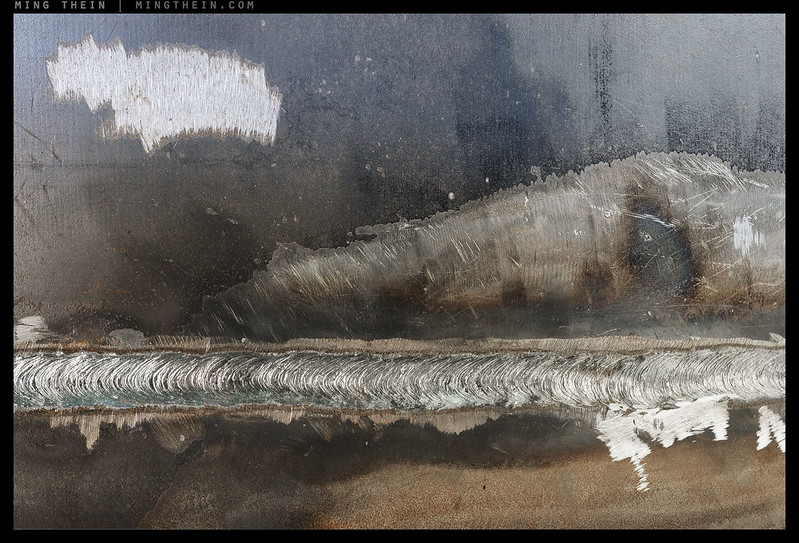
We frequently encounter everyday objects or miniature tableaux of objects that hold our attention for their texture, whimsy or simply pleasing nature; how often do we attempt to photograph and capture these? Personally, that answer is not really often enough, so I’ve been consciously going about attempting to do so whenever the opportunity presents itself, with whatever hardware I happen to have to hand at the time. The challenging part isn’t so much capturing the visually interesting bits: it’s excluding the ugly, discordant, incoherent surroundings that distract too much rather than provide contrast and context. Personally, I feel the resulting images actually work best with no context; that way we are able to enjoy them serendipitously without other considerations intruding and ruining the illusion of perfection. This is pure photography – a reduction of the world to nothing more than light, color and form, and a development on the ideas in this article. Enjoy! MT
Images from this series were processed with PS Workflow II.
The emperor’s new clothes

Illusion and infinite possibility – from The Idea of Man project
Newer isn’t always better.
More isn’t always better.
Limitations can be creatively liberating.
Equipment isn’t the solution to 99% of problems.
The sense of entitlement and lack of objectivity is deafening.
Does any of this sound familiar?