Repost: What makes a ‘good’ lens? (part I)

_1M01078 copy

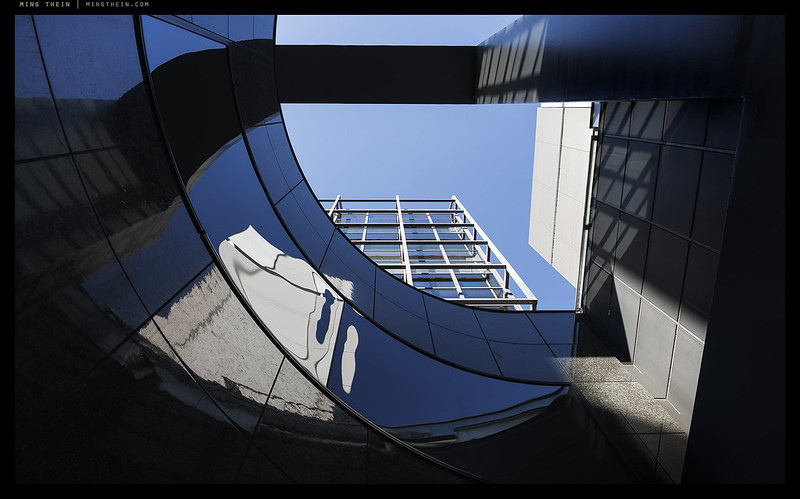
Following an odd resurgence of emails lately about system matching, lens quality (on non-native systems), sample variation, decentering and similar topics – I thought it made sense to revisit this topic from the archives. ‘Which is the best lens for X?’ might seem like a very obvious question, but the moment you try to define a set of criteria to quantify ‘good’, you soon realize there’s quite a lot more to lens performance than immediately meets the eye. And this is before (but really should be much after) creative considerations, perspective etc. In any case: for those of you without the ability to try a large number of lenses – let alone samples of the same lens – how do you know if the one you’ve got is ‘good’?
[Read more…]

MT’s scrapbook: Shadow play

_PF01193 copy

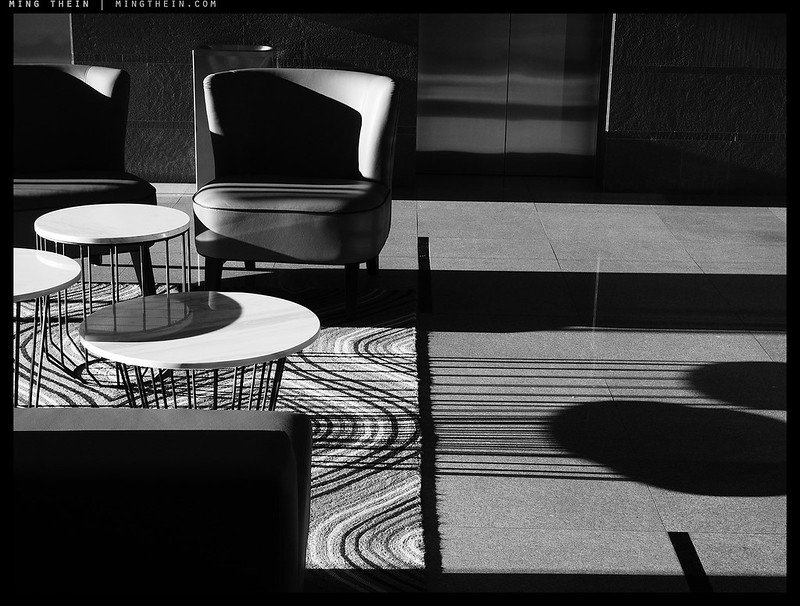
It’s actually very rare to get this kind of hard afternoon sunshine in the tropics – by the time it’s late enough in the day for the shadow angle to be this oblique, the day has usually been so warm that evaporation of ambient moisture has created sufficient clouds to block the sun. Yet you still need just a hint of something in the atmosphere to make the light golden and warm. The quality of shadow actually reminds me a lot of the Atlantic coast of Europe – specifically Portugal – around autumn or spring. Why monochrome though, if the joy is in color? Two reasons: you still see the effects of warmer light when you apply a color pass filter, and secondly – without the distraction of color, the hard definition of form becomes that much more acute. MT

The Scrapbook series is shot on an Olympus PEN F, with unedited JPEGs straight from camera bar resizing (and of course some choice settings).

[Read more…]

Shot discipline revisited by Robin: macrophotography

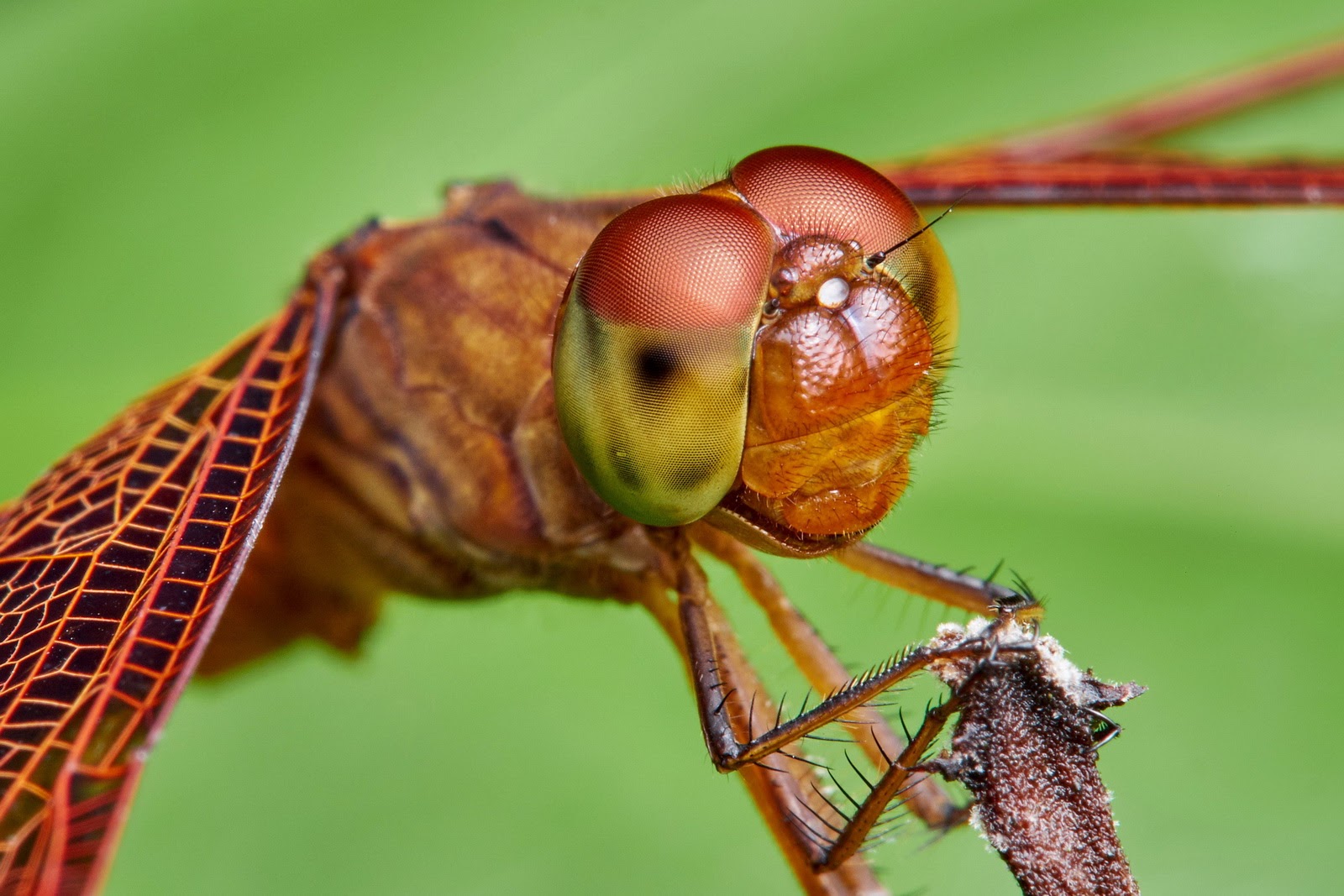
One of my favorite posts by MT and an absolute must read is “The Importance of Shot Discipline”. Everything in that article is strongly relevant when it comes to my attempts at insect macro shooting. Each factor plays a significant role in getting the shot: timing the shutter just right, nailing accurate focus, achieving sufficient depth of field, stabilizing the shot, watching out for diffraction and paying attention to the off camera flash. I have to make sure I do not forget any of these variables as any single screw-up means I will have an unusable shot.

A few friends who’ve tagged along for my macro shooting sessions have been impressed by my high hit rate despite shooting at full magnification of the macro lens. To understand my insect macro shooting technique, please read the article I have shared previously here. There is no simplification of the shooting process, and there is no compromise possible if you want to achieve the best results. The only way to efficiently get great results is through persistent practice.  Not just practice until you get the shot right, keep practicing until you don’t get it wrong anymore.

[Read more…]

Seeing the shot – Robin’s view

In the spirit of sharing more of what I normally do during my shutter therapy sessions, I came up with this idea of showing what happens immediately before and after I shoot an image*. Utilizing the Olympus specific feature “movie + photo” mode, I was able to capture video footage and a full RAW image file simultaneously. I thought it would be fun to see the moments leading up to the press of the shutter button. After all, timing is crucial in street photography and in this video compilation you will see a lot of blink and miss it moments.

*Note: this is somewhat similar to MT’s How To See video series.

I had to work with an older Olympus PEN E-PL7 camera because the movie + photo mode was unfortunately not available in the E-M1 Mark II. I am inviting you to come along with me to my hunting grounds and see what my camera sees. In the video you will also see how I frame my subjects, interact with random street portrait subjects and anticipate moments before they happen. As a bonus, there is also evidence of how cats on the streets love me.

I hope that you will see that street shooting can be super fun, exciting and totally unpredictable.  If we show respect and are courteous to people around us, they will respond in kind. A genuine and warm smile can go a long way, and keeping a positive attitude can help make you more approachable and look less like a threat to your street subjects. Things happen so fast and you have to be quick enough to react and execute your shot reflexively. It is perfectly okay to miss some shots but keep that optimism going and soldier on to the next opportunity.

Let me know if you find this video helpful and would like to see similar content in the future. I had a lot of fun doing this and am excited to hear your thoughts.

[Read more…]

Photoessay: The anonymous flaneur, part I

_8505798 copy

Leading on in the spirit of the previous post, I present a set of observations of anonymous individuals passing through the stage of life, without leaving anything more than a transient wisp. Are we equally observing each other, or are we preoccupied in our own bubbles? The more people around us, seemingly the more impermeable and discrete those bubbles become. As there’s less and less personal space we seek to defend it more closely. Is human nature wanting what we cannot have? MT

This set was shot with a Nikon D850, 24-120VR and post processed with Photoshop Workflow III.

[Read more…]

Le flaneur

X1D4_B9995070 copy

From Wikipedia: “Flâneur (pronounced [flɑnœʁ]), from the French noun flâneur, means “stroller”, “lounger”, “saunterer”, or “loafer”. Flânerie is the act of strolling, with all of its accompanying associations. A near-synonym is boulevardier.” A holdover from the class divides of 19th and early 20th century in Europe when the gentry could spend their time engaged in leisurely walking, observing and enjoying the cities, the concept might sound a bit indolent today but is actually still quite apt: these were the original street photographers, most of whom went without cameras. Fast forward half a century and we had the tourists; who perhaps could be thought of as serial visitors herded in predefined courses from important sight to sight. In parallel, photography went from an academic and scientific curiosity to being a mass-medium for personal recording, and then public exhibition. And then a means to show off: this brings us to the present day.

[Read more…]

Stepping back for context: wider street portraits

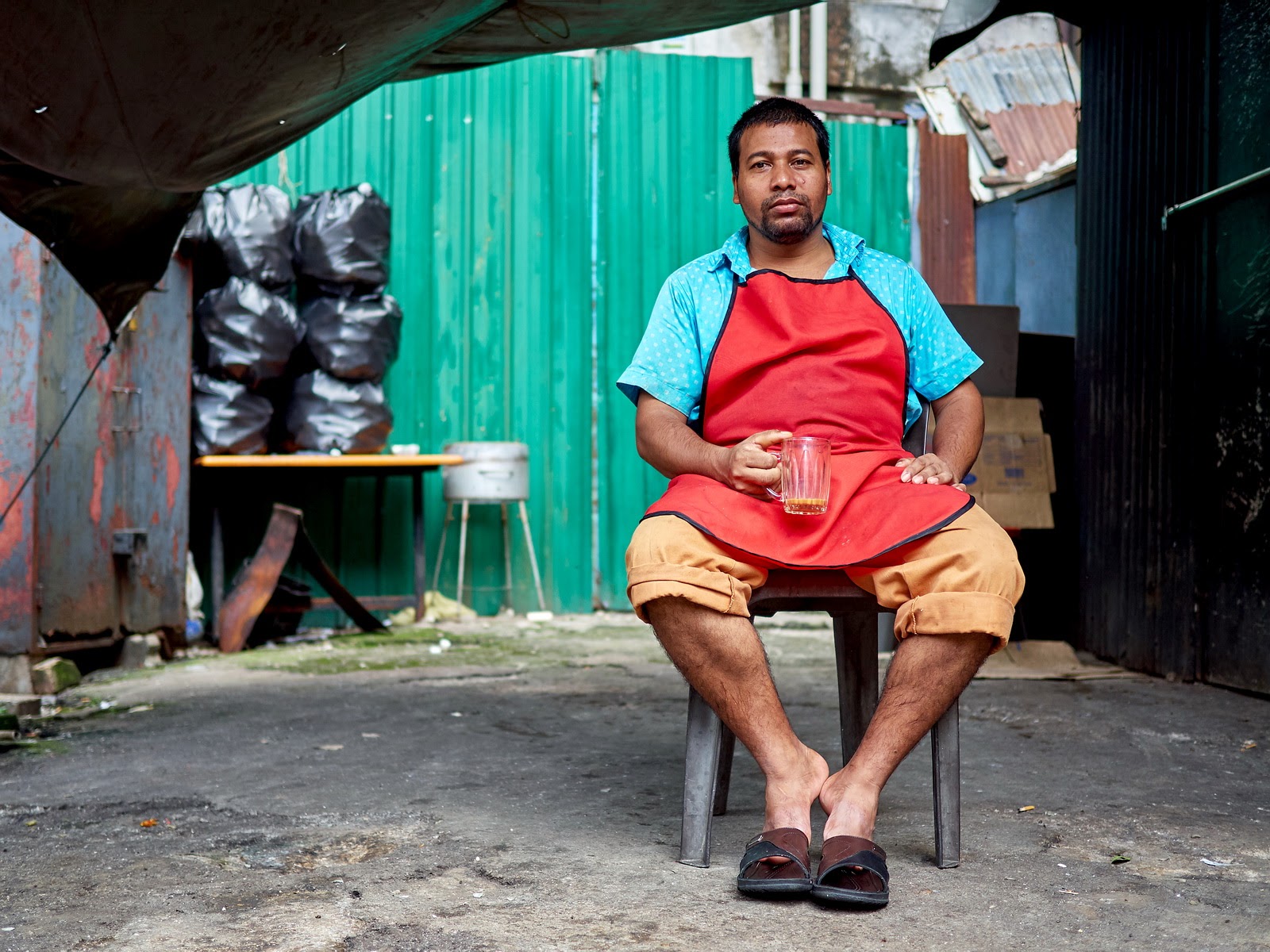
My photography buddies often ask me if I get tired of shooting the same streets in Kuala Lumpur, and my answer has always been the same: no, because I do things differently each time. While the background and setting remain the same, we can choose to vary our choice of subjects and the way we approach them. I have been shooting portraits of strangers for a while now, and I see my style changing progressively. Some of the changes are subconscious as you cannot do the same thing all the time and expect different results.

For a while now, my most used lens on the street was the Olympus M.Zuiko 45mm F1.8 lens as it gave me medium telephoto coverage, a tight perspective for close up headshots and provided sufficient control over depth of field. It was a huge challenge to approach strangers and get so close for my shots, and I was happy that I pushed through this process and overcame self-doubt when talking to strangers on the street.

In contrast to that, I have been moving myself further away from the usual head and shoulder shots and decided to pursue a wider environmental style of portrait. Instead of 45mm F1.8, my most used lens now is the 25mm F1.8 on the streets.

[Read more…]

Thoughts on portraiture

H61C-B0005666bw copy

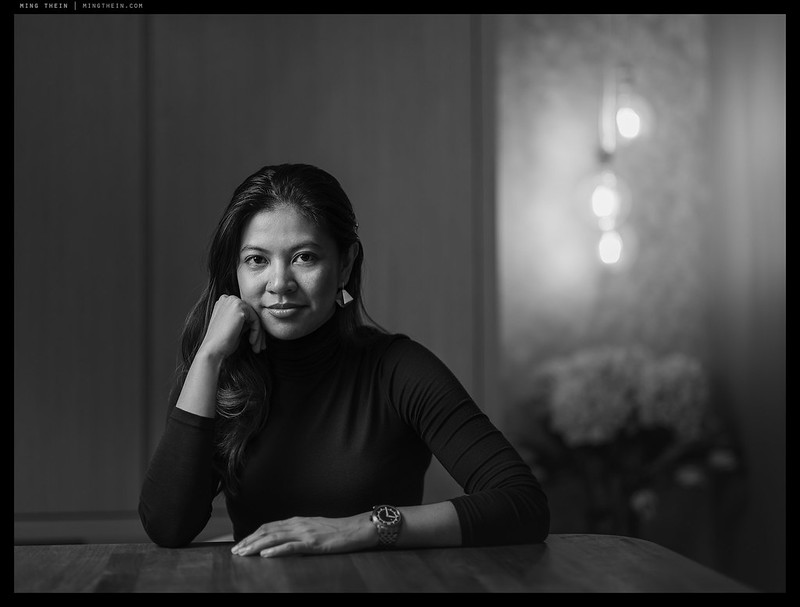
I have never been a portrait shooter – and as much as I find satisfaction (the reasons why we will discuss in due course) in a well-executed portrait, I don’t think it will ever be the mainstay of my photographic repertoire. The reason is both simple and complex: a portrait is not a photograph of the physical person – it’s a visual representation of your relationship with that person. A sort of mirror, if you will; even though all subjects reflect light and thus the environment to some degree, there are more and less reflective ones. Highly polished objects can land up being entirely representations of their surroundings only, with the merest interference of interpretation; one of the tenets I live by in watch/jewellery photography has always been ‘light for the reflection’. That’s not really relevant to portraiture, or is it?

[Read more…]

Repost: Achieving visual consistency

_8510238 copy

Cue one from the archives, with updated images: tomorrow’s post will make more sense when viewed in context after this…

One of the questions I’m asked also (unsurprisingly) happens to be one of the biggest challenges for a lot of people: how to achieve visual consistency across multiple systems/ cameras/ media, and across multiple subjects. Though the latter is really getting into the question of what constitutes style and how can one consistently apply it, there are still things you can do to ensure that you are in control of the final presentation: not your camera. I certainly cannot tell a client ‘sorry, it looks different because I used two different cameras.’

[Read more…]

MT’s Scrapbook: Sunday afternoons

_PF90367 copy

The first entry in the Scrapbook is a quasi-narrative one from a lazy Sunday – the perfect kind of thing for which to test the entire pretext of the exercise. There was enough photographic content to keep me challenged and in practice, but not so much as to turn into the primary purpose of the day – oddly, not something I’ve had to worry about too much in the past, pre-family. Finding that balance again is challenging. Definitely not perfect, but more importantly – with enough verisimilitude that it’s pretty much as we remember it, which oddly, reminds me a bit of shooting film on family holidays when I was much, much younger (and pre-serious-photography). MT

The Scrapbook series is shot on an Olympus PEN F, with unedited JPEGs straight from camera bar resizing (and of course some choice settings).

[Read more…]