Hublot/Yahoo/third party: not what any of us expected…

Here is the original situation and the resolution.

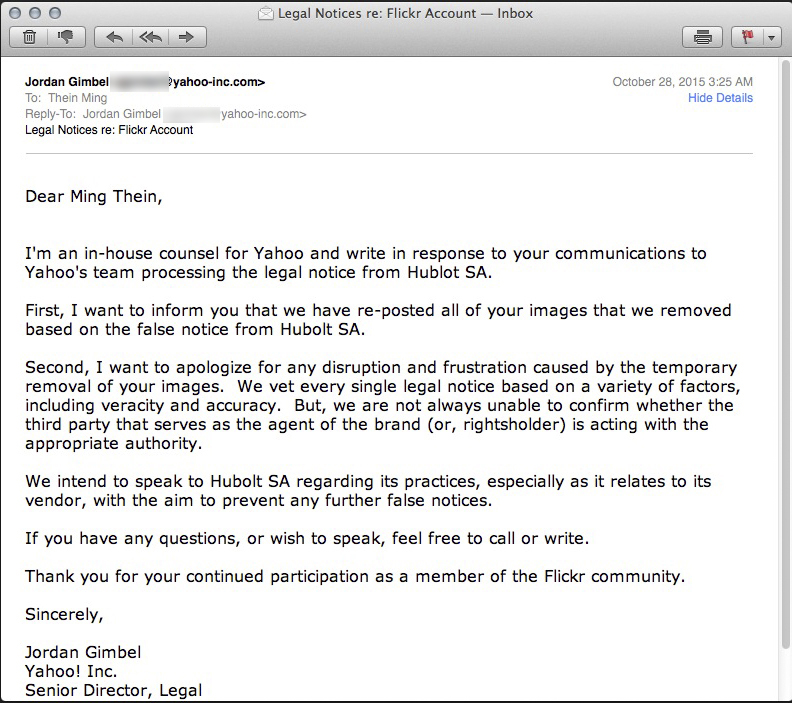
I just had a conversation with Mr. Gimbel to a) clarify exactly what happened; b) figure out how we can better protect creatives’ rights, and c) offer any assistance with b). I do intend to let this issue rest but had to clarify exactly what happened for avoidance of any speculation that might be damaging to any party involved.

Pay attention again to the fourth paragraph: “We intend to speak to Hublot SA regarding its practices, especially as it relates to its vendor, with the aim to prevent any further false notices.”
Screen Shot 2015-10-28 at 8.14.06 AM

It turns out that there was no fraud at all; truth can be stranger than fiction.
[Read more…]

Resolution: Hublot/ Yahoo/ Flickr rights, implications for photographers

Here is the original situation. And here is the final development. Please note that comments in the original article are now closed.

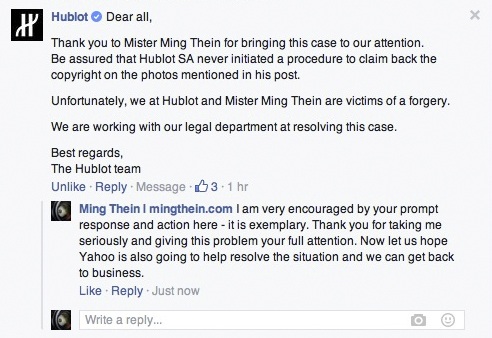
Credit to Hublot for taking action quickly, and local agents The Hour Glass (and my contact point) for lending their full assistance to resolve things. They posted this last night on my pages and theirs:

Screen Shot 2015-10-27 at 11.11.44 PM

This morning, I think we have a resolution:

  1. Hublot confirming that they did not take any action or institute copyright claims against me. This was confirmed in writing by the CEO and communications departments
  2. Yahoo’s counsel saying that my images have been reinstated, issuing an apology, and intent to follow up with Hublot.
  3. The images are back online, and the original post on Fratellowatches now works again.

[Read more…]

OpEd: The camera as a luxury item – or, a tale of two cameras

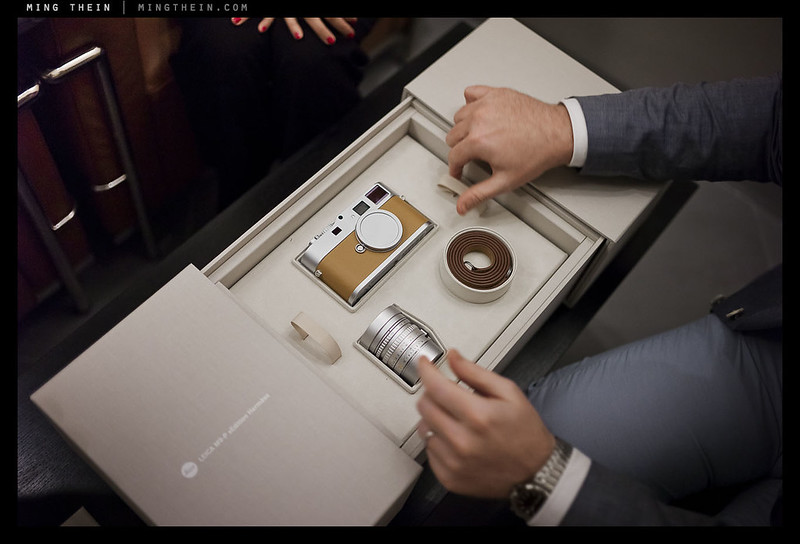
_M9P1_L1015791 copy
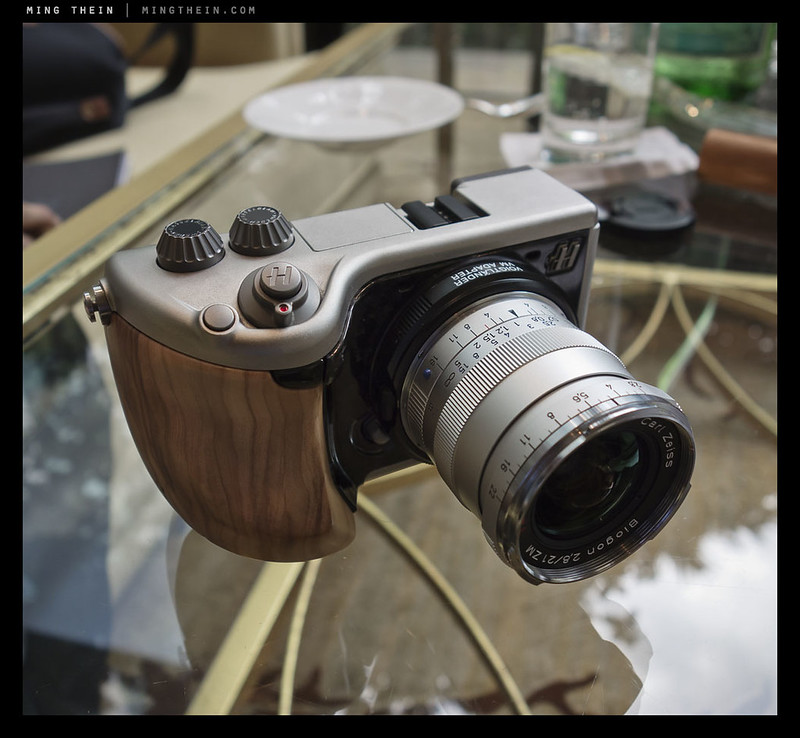
_RX100_DSC3419 copy

Here’s a question I’ve been pondering for some time: how is it possible that these cameras (and others) are so similar in some ways, yet wildly different in terms of commercial success? And moreover, what can we deign from our crystal balls about the state of the camera industry? Read on for a little analysis from a photographer and a businessperson’s point of view.

[Read more…]

Tilt shift 101

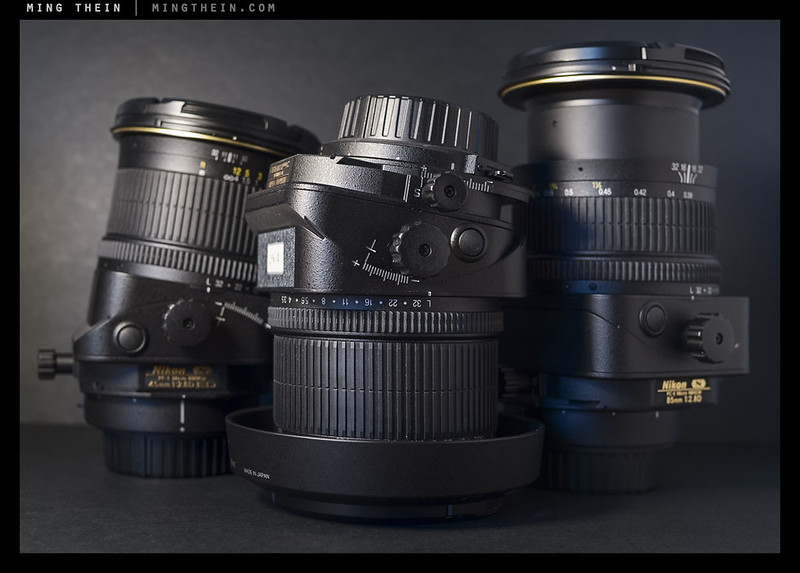
_5201579 copy
No, they’re not broken. But your wallet will be after buying a set.

One of the most frequent things I get asked about is the use of tilt shift lenses; it isn’t surprising given the apparent complexity of the hardware and lack of any clearly understandable documentation or literature. There are plenty of good technical explanations of movements, but often they leave the reader more confused than when they started especially if you do not have a background in optics! This article will therefore aim to address the whole question of camera movements in as straightforward a manner as possible – necessitating some simplifications. Read on if you’ve ever been bothered by insufficient (or too much) depth of field, or geometric conversion of verticals with a wide angle…

[Read more…]

On not being a photographer

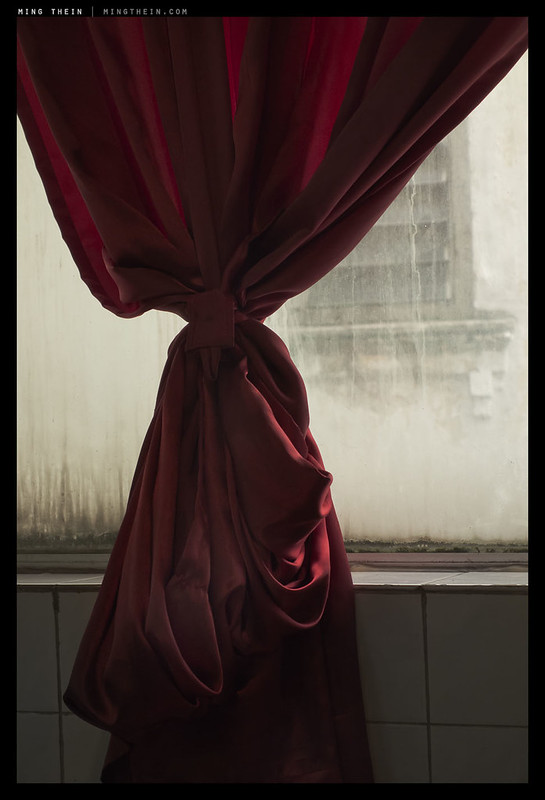
_RX100_DSC3103 copy
Red drapes. This post is quite deliberately illustrated with images from times when a) I wasn’t actively shooting or looking for images, and b) have been rather thankful to have a camera of any sort on me.

I struggled a little with the title for this essay. In essence, how many times have you found yourself without the primary aim of photography, but still shooting anyway – or worse, wishing you could be? The kinds of situations I’m talking about are when your primary purpose isn’t photography. You’ve gone out to run some errands, or fulfil family obligations, or rush to some work-related meeting (assuming photography isn’t your primary occupation). But these are the times you inevitably come across that interesting patch of light, that unexpected scene, or just…something that makes you pause and wish you didn’t have to be somewhere in the next ten minutes. Then what?

[Read more…]

Flying as a photographer, redux

_Q116_L1000793 copy

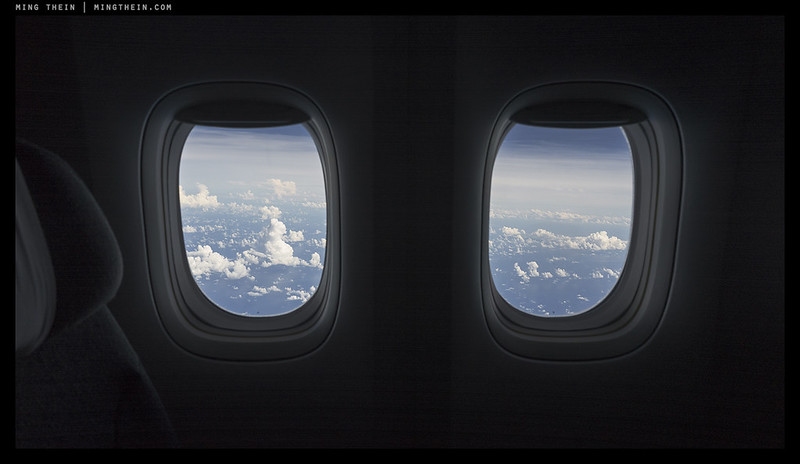
I spend a lot of time on airplanes. Probably too much; even more than when I was a Powerpoint monkey. And in that time, I think I’ve collected enough wisdom and experience that some of you in the audience might find it useful – especially if it isn’t your day job, travelling to shoot is a rare luxury. The last thing you want to have are either nasty surprises with airlines or the anxiety of missed opportunities…so here are a few useful tips.

[Read more…]

OpEd: The career you really want

26_8A15558 copy
Virtual banking, from The Idea Of Man series

A couple of weeks ago, I had dinner with some friends. One of them was in a senior role at a traditionally well-paid and respectable firm. He was contemplating a move to a new firm and a new position, with more responsibility, a bigger title and presumably also more pay. But the hesitation was palpable. In an unsolicited attempt to be helpful, I asked a slightly pointy question: what is it you really want to do? What would you do with your time and life if you had no other responsibilities or financial commitments? There was a pause, and then: ‘be a jazz bassist’. Changing firms in a similar role is already difficult enough at the best of times; changing industries is harder; doing a 180 degree turn out of finance into music is something else entirely. As somebody who’d done something similar, I felt it my moral duty to offer my completely unsolicited advice.

[Read more…]

In search of the unicorn

_8B03666 copy
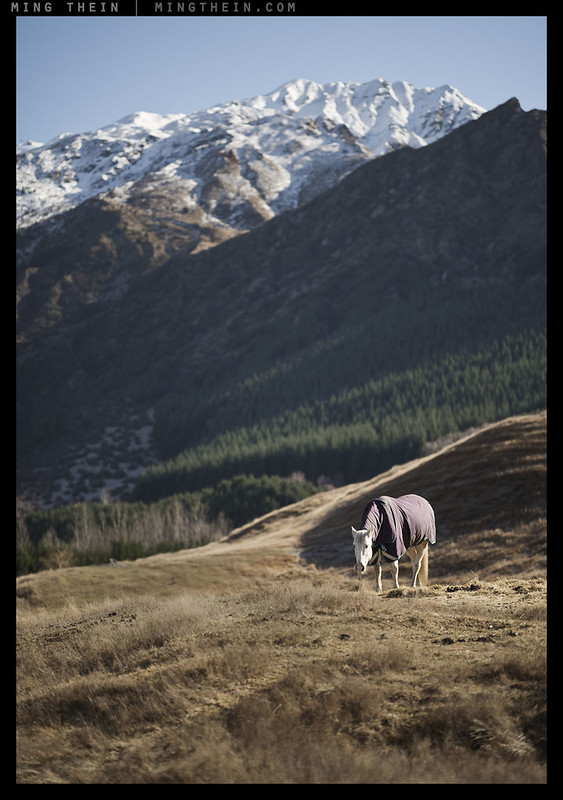
Nope, that’s not it.

The ideal [insert your obsession of choice here] doesn’t exist.

We all like to think ‘if only…’ and it might. Whether it’s cameras, clients, light or partners, there’s always something that could be better. Perhaps this is a reflection of the consumerist and entitled nature of modern society as a whole, or perhaps it merely shows that we as people are always changing. Ironically, it is this very ‘if only’ that keeps things interesting: if you were to make the ideal image (in your own mind, and subject to the constraints of personal bias) of whatever you framed whenever you pressed the shutter, you’d quickly run out of possible subjects. It is not a bad thing at all that a) everybody has different opinions and b) we ourselves are in a state of constant flux. I know for certain that I approach familiar subjects like family or watches very differently now than from when I did previously. But there is perhaps such a thing as ‘good enough’ – better than 80/20, certainly – and we should probably know when to appreciate it. Today’s post is going to be looking at the business side of photography.

[Read more…]

The output disconnect and the future of image viewing

_8B06977 copy
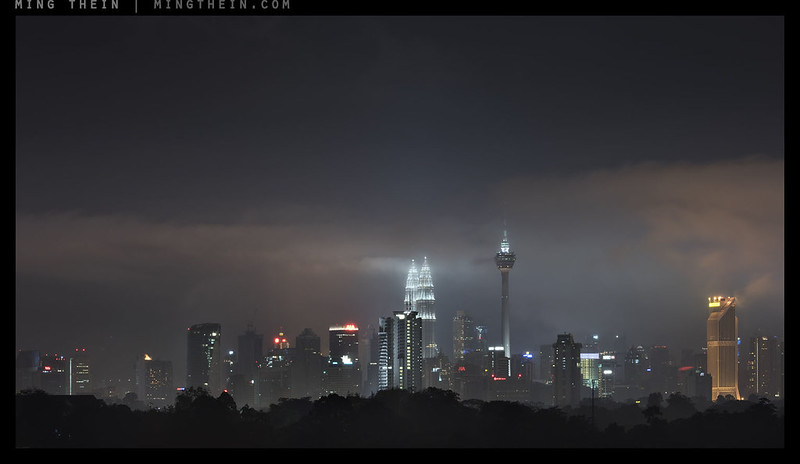
Kuala Lumpur skyline after rain. An example image for which there is no perfect output medium at present: web sizes we don’t need to talk about. Full resolution screens lack the tonal resolution to render the clouds in a transparent manner; print comes closest, but ultimately is a reflective medium and so lacks the dynamic range to represent the difference between the foreground trees in deep shadow and the light in the buildings.

Let’s take stock of where we are at the moment in terms of viewing options for images: there’s basically still only digital and print. On the digital side, displays have been steadily increasing in resolution and information density – and to some extent also size; we have 4K monitors in some laptops at 14″ and under, 8K in some televisions with an enormous jump to 50″+, and the majority of devices sit in the 2-4MP range somewhere between 12″ and 30″. There are also mobile devices with HD, QHD or even 4K (the recently announced Sony Z5) resolutions in sub-6″ screens; that’s an absurdly huge range of pixel densities. Everything from about 100PPI to 800+PPI. Clearly, preparing content for this is not going to be easy; viewing distances don’t necessarily have anything to do with perceived information density (say pixels per degree of observed FOV), either. You can hold your mobile at such a distance that it subtends the same angle as your 27″ 5K iMac, but the problem is the iMac will actually have double or more of the information density – just look at the number of pixels along the long axis. Or the converse might be true. As image makers, how do we manage this?

[Read more…]

The test of time

_8A12416 copy
1957, from the Havana series

A little while ago, I wrote an article on images for posterity and what we would want to be remembered for vs what we might actually be remembered for. I’ve been wondering about why certain images are remembered and tend to stick in the minds of the viewers, or better yet, in common culture. I’ve had a hypothesis or two on that since, and wanted to share those thoughts. Though it isn’t the objective or necessity of every person taking pictures to make a different image for every single shot, I’m sure we all want to make something memorable. And some of us have to because well, that’s our job – and we wouldn’t have it any other way.

[Read more…]